


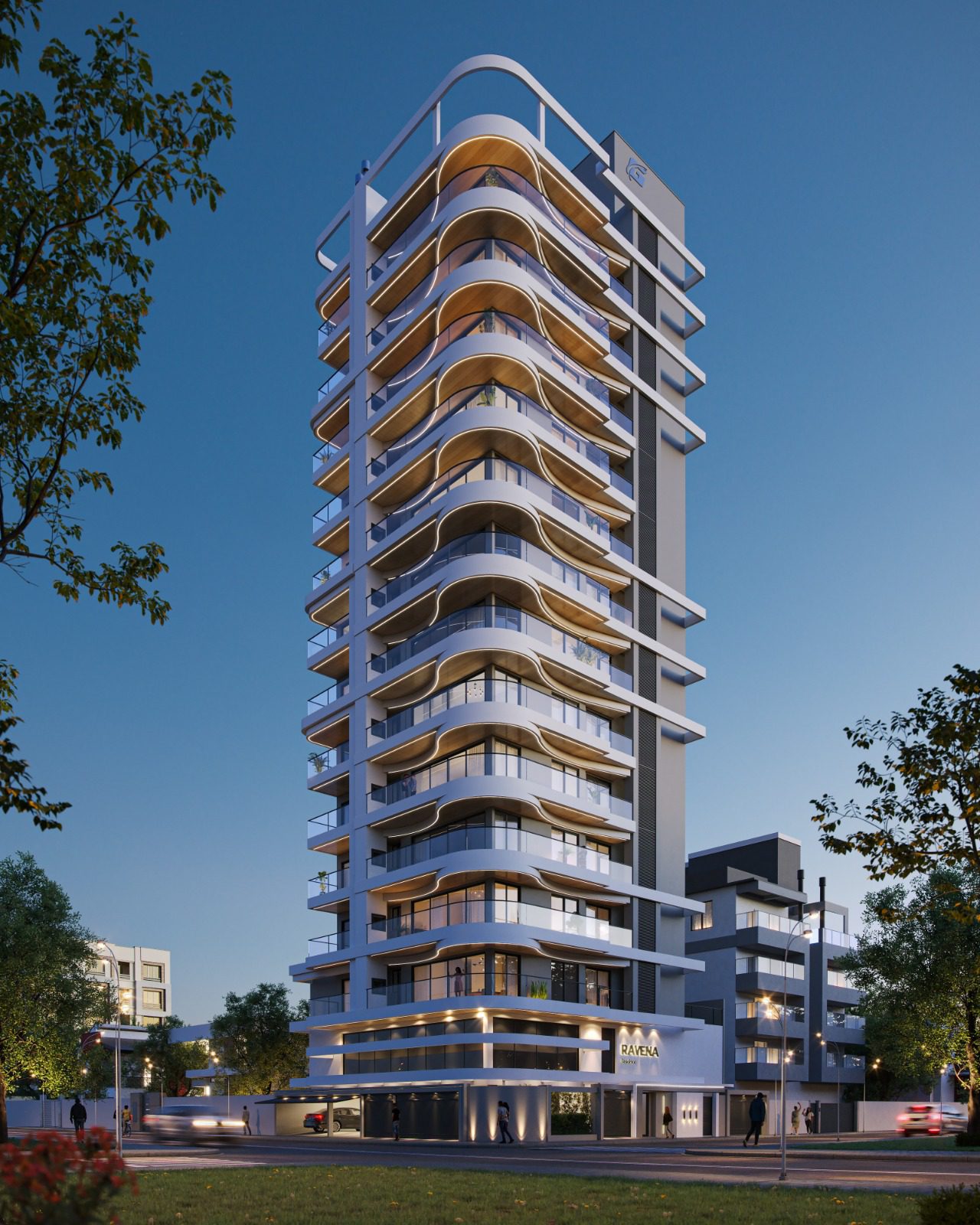
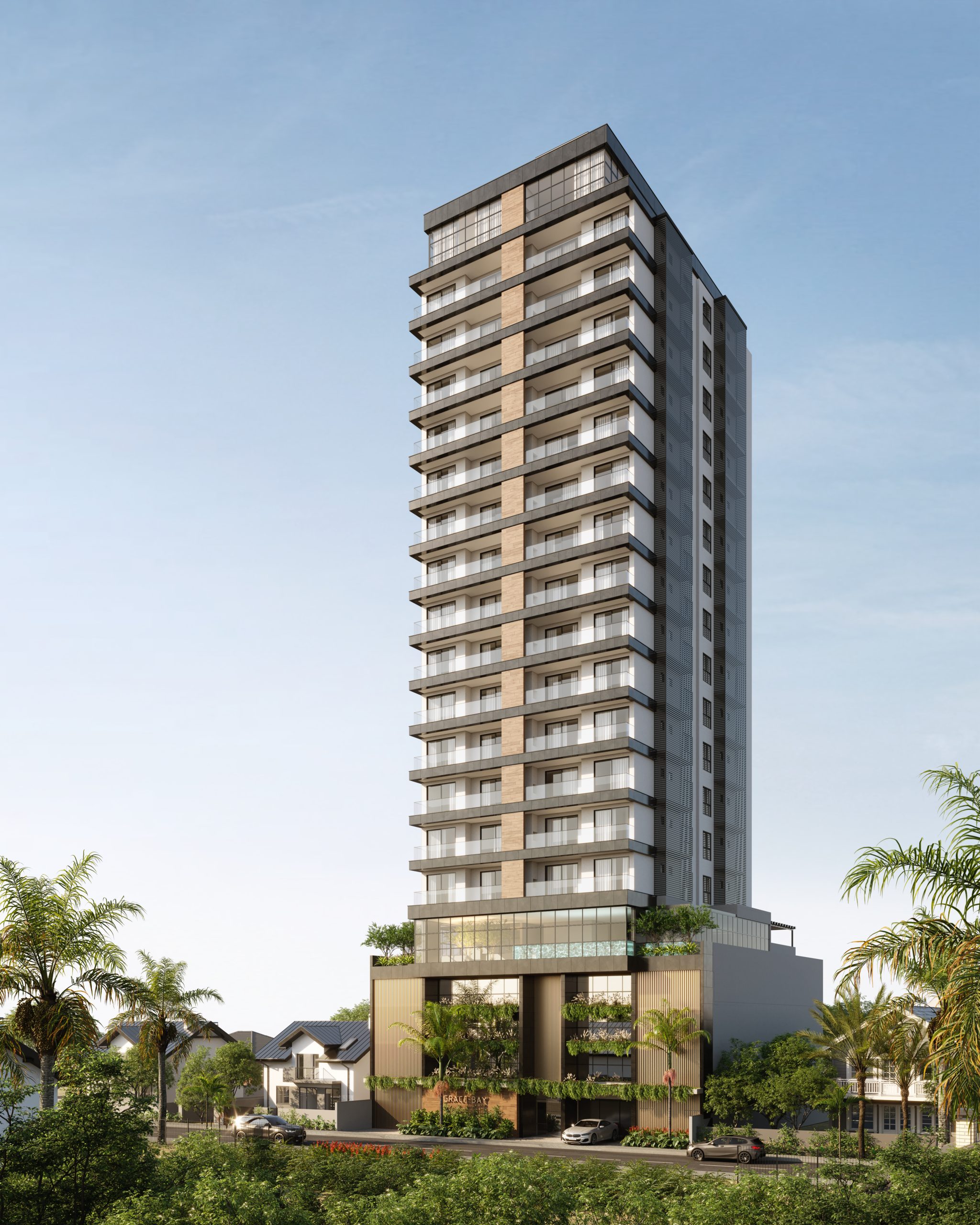
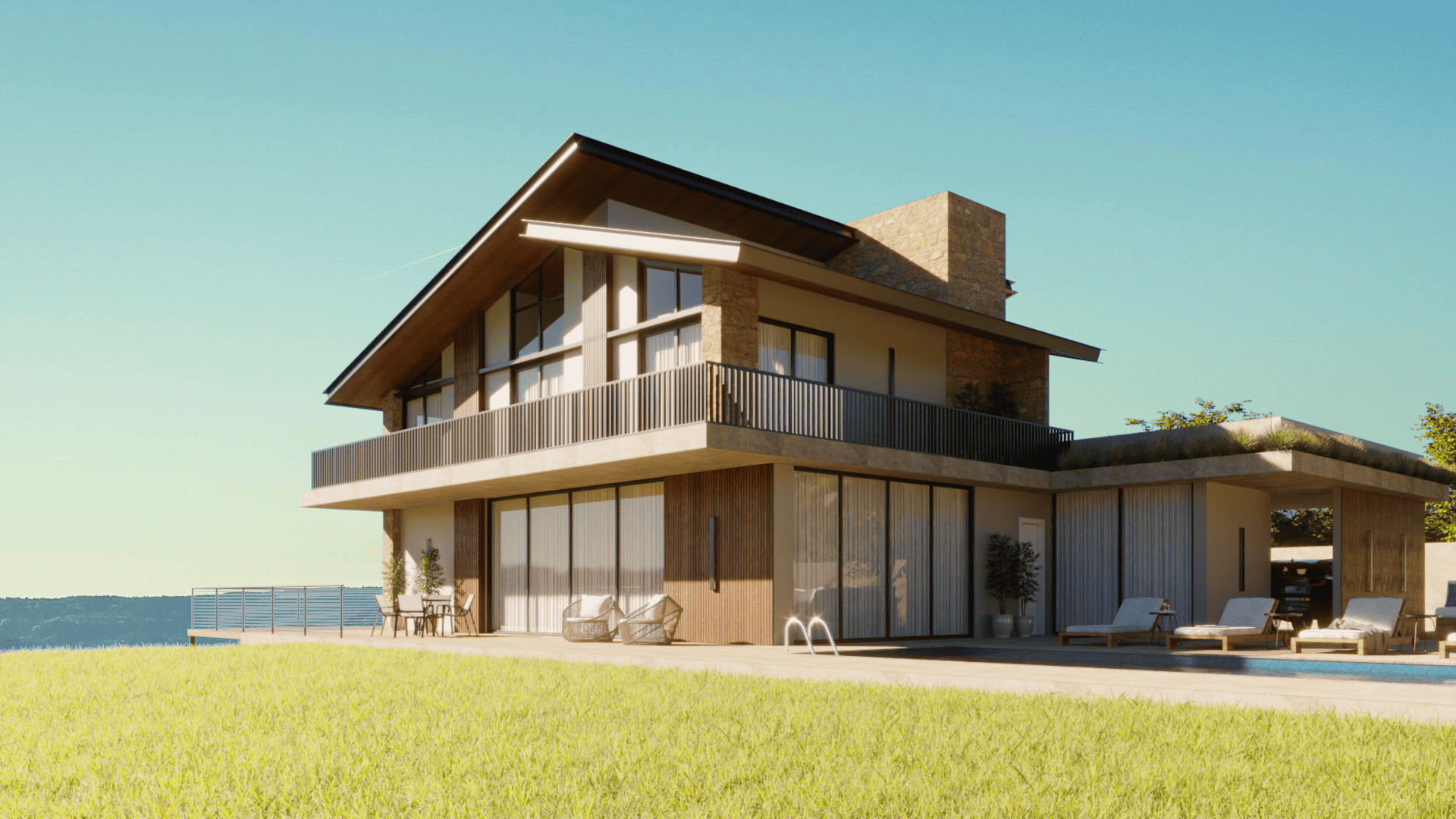
Introduction
In recent years, contemporary architecture has played a fundamental role in creating environments that not only meet the functional needs of residents, but also promote sustainability and social well-being. With the growth of cities and concern about environmental impacts, architects and urban planners are seeking creative solutions to integrate ecological concepts into projects that reduce resource consumption, preserve the environment, and improve the quality of urban life.
1. The Concept of Sustainability in Architecture
Sustainability in architecture refers to the development of buildings and urban projects that minimize environmental impact throughout the building's life cycle, from conception and construction to operation and, eventually, demolition. To achieve this goal, sustainable architecture involves the use of ecological materials, energy efficiency, the use of natural light, and the incorporation of technologies that promote water and energy conservation.
- Sustainable Materials: The use of low-impact materials, such as bamboo, recycled concrete, certified wood, and non-toxic paints, reduces the ecological footprint and promotes the durability of buildings. Some projects also opt for the use of local materials, reducing the need for transportation and the consequent consumption of fossil fuels.
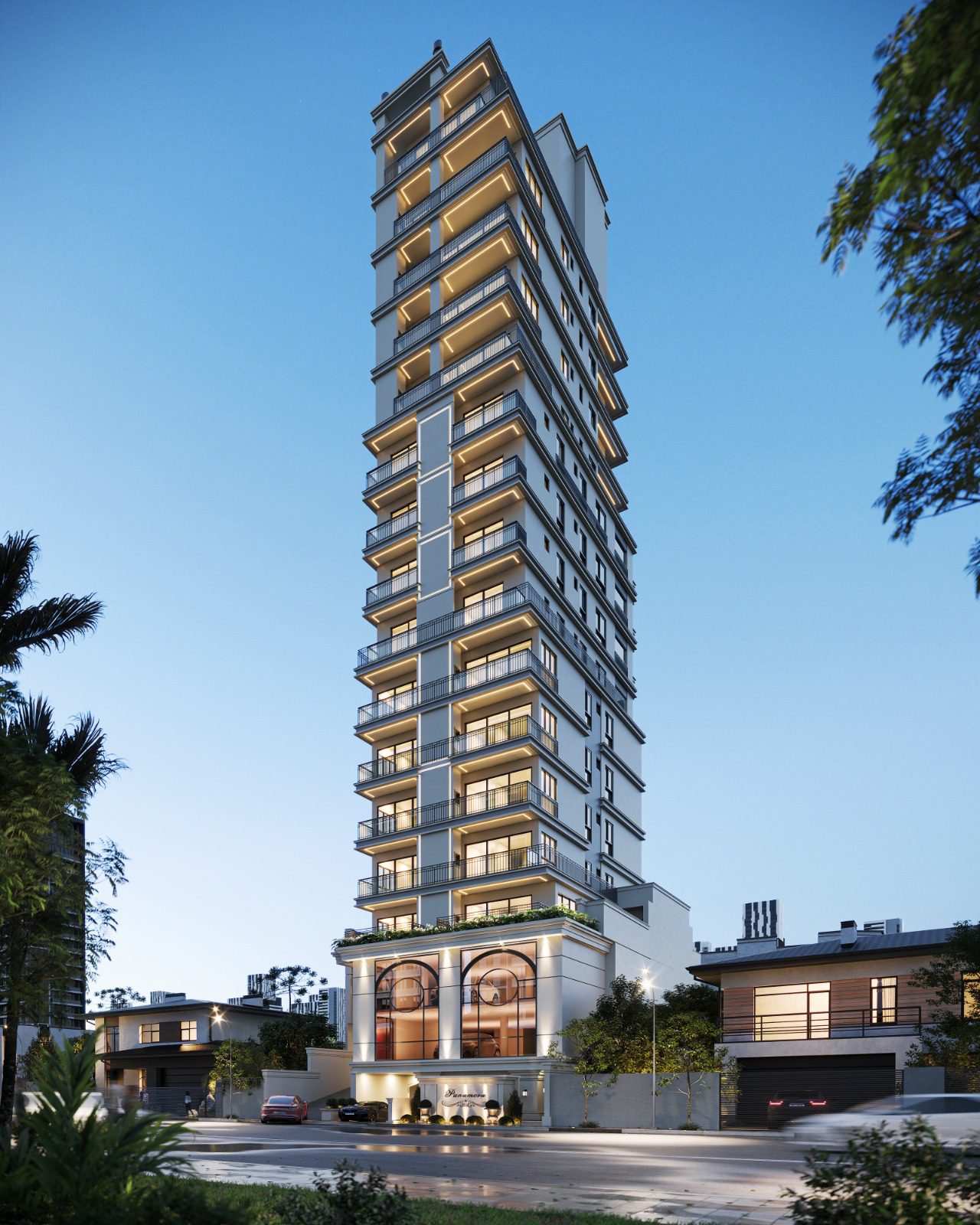
- Energy Efficiency: Incorporating solar panels, natural ventilation systems, LED lighting, and green roofs are practices that significantly contribute to a building's energy efficiency, minimizing electricity use and reducing energy costs over time.
2. Green Architecture and the Construction of Smart Cities
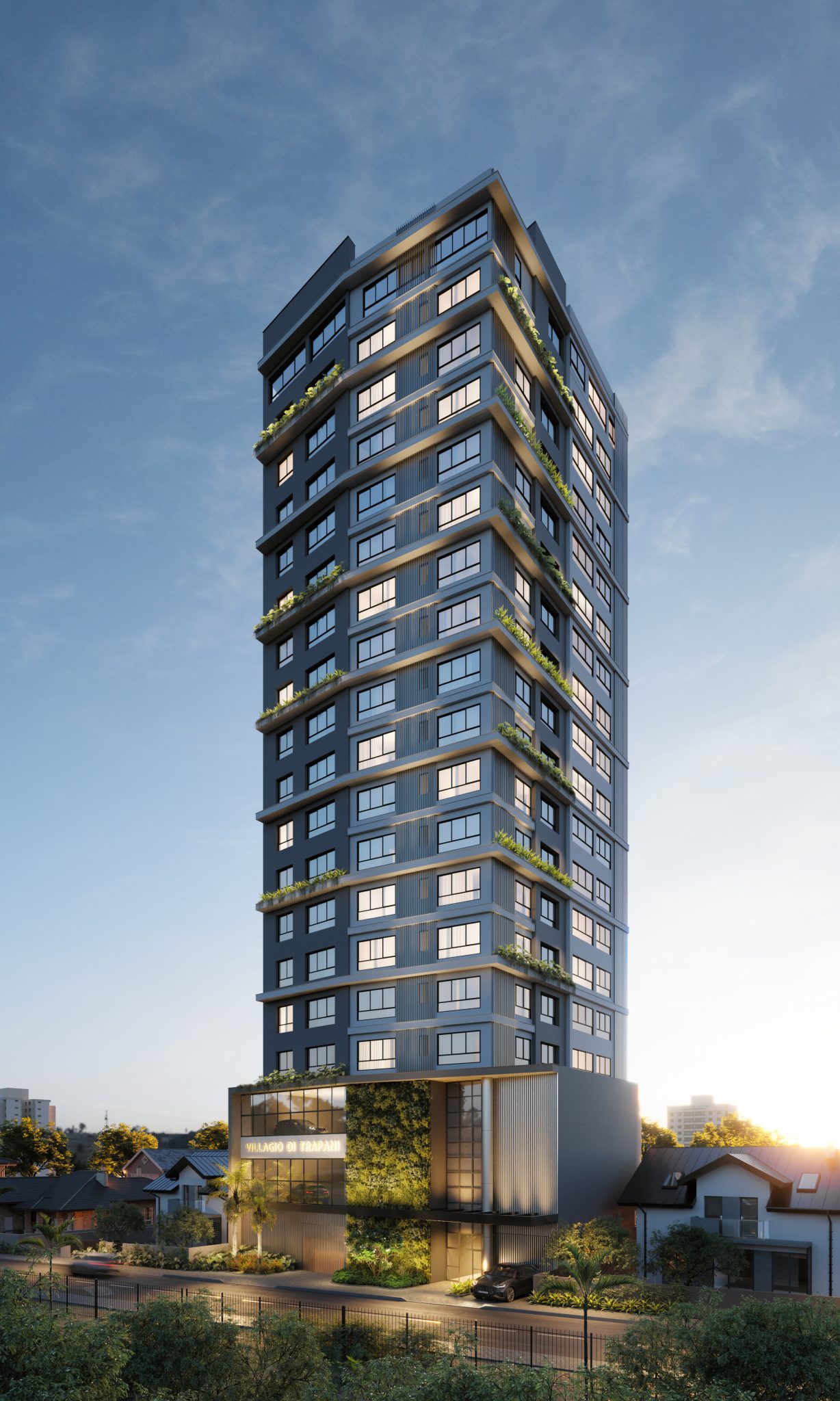
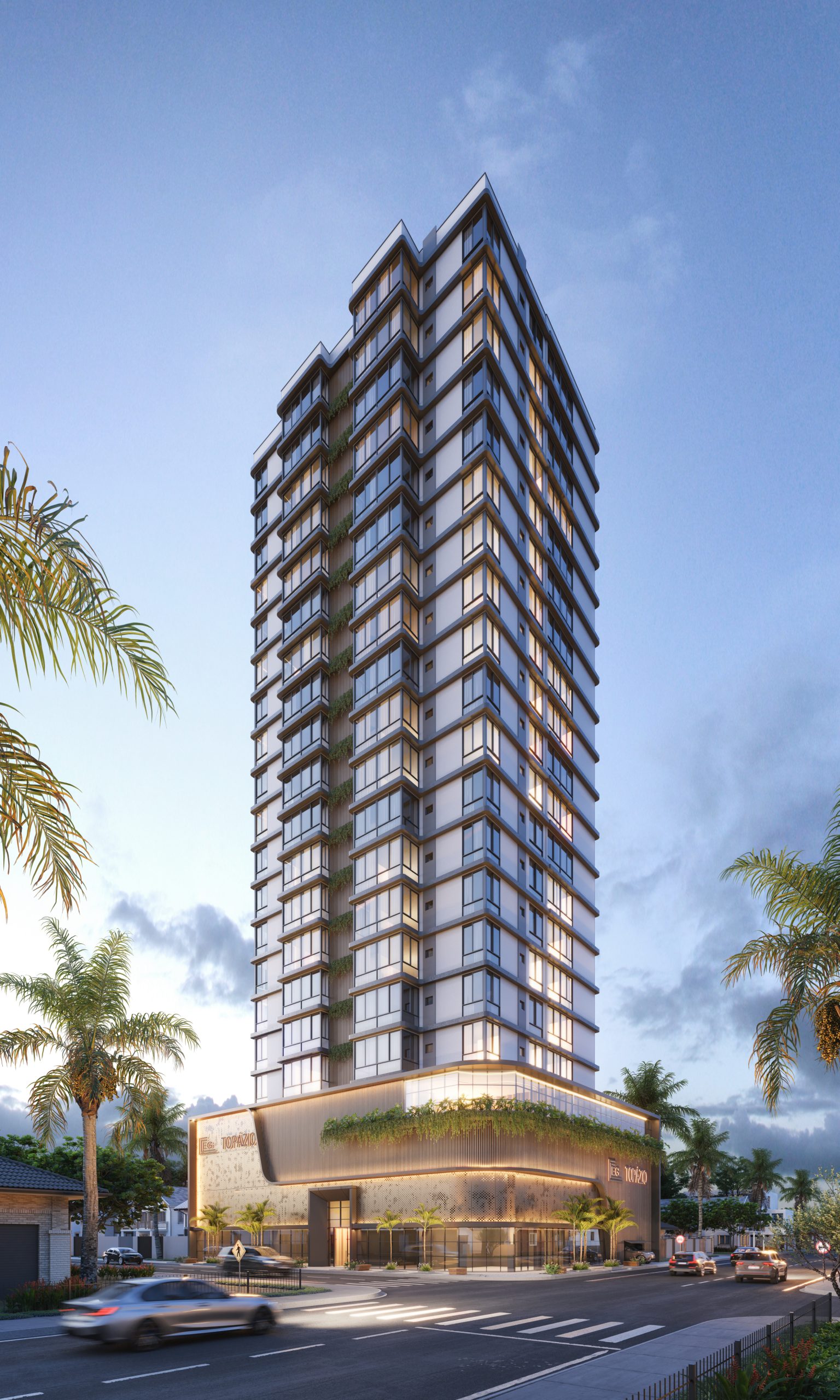
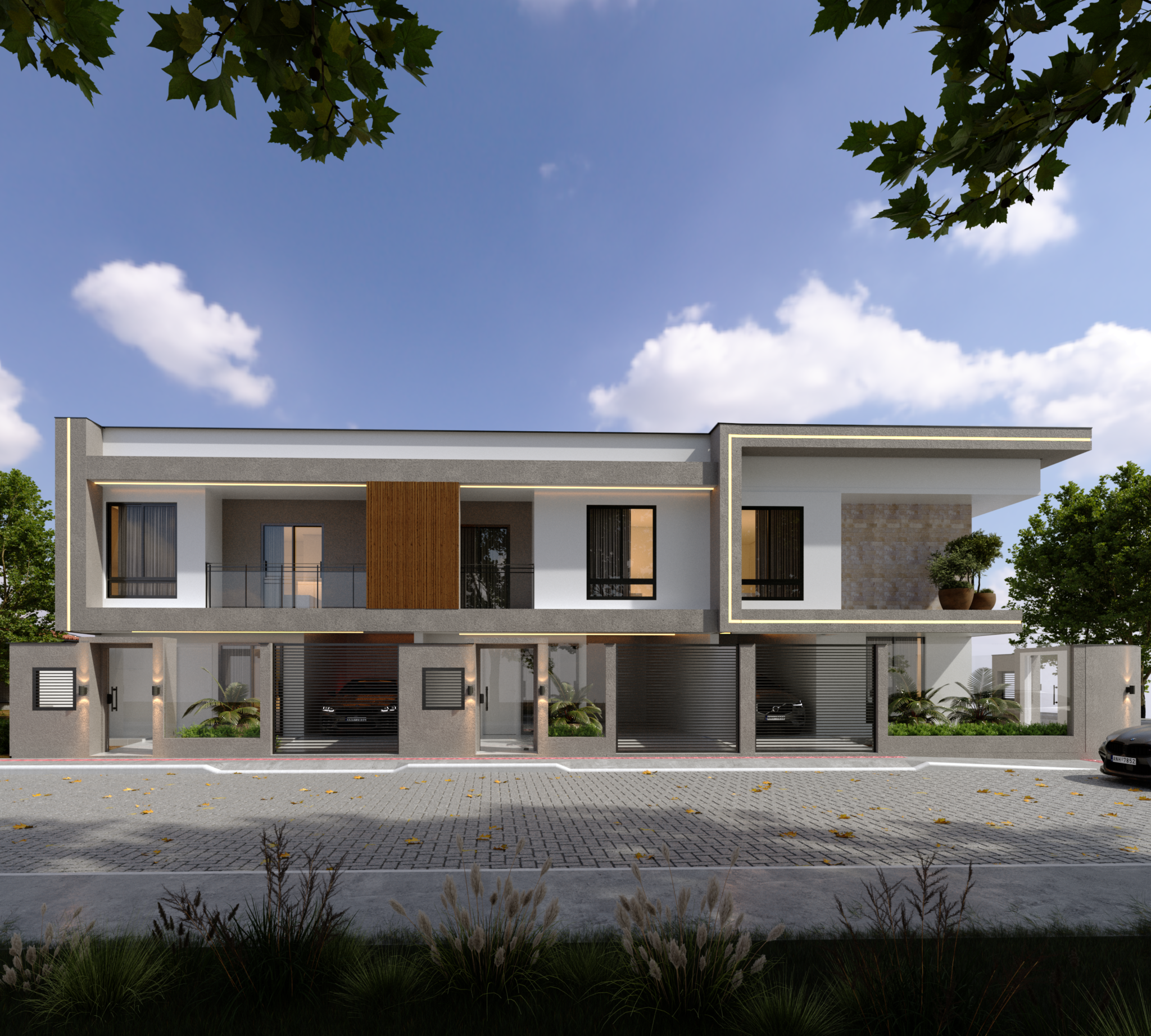
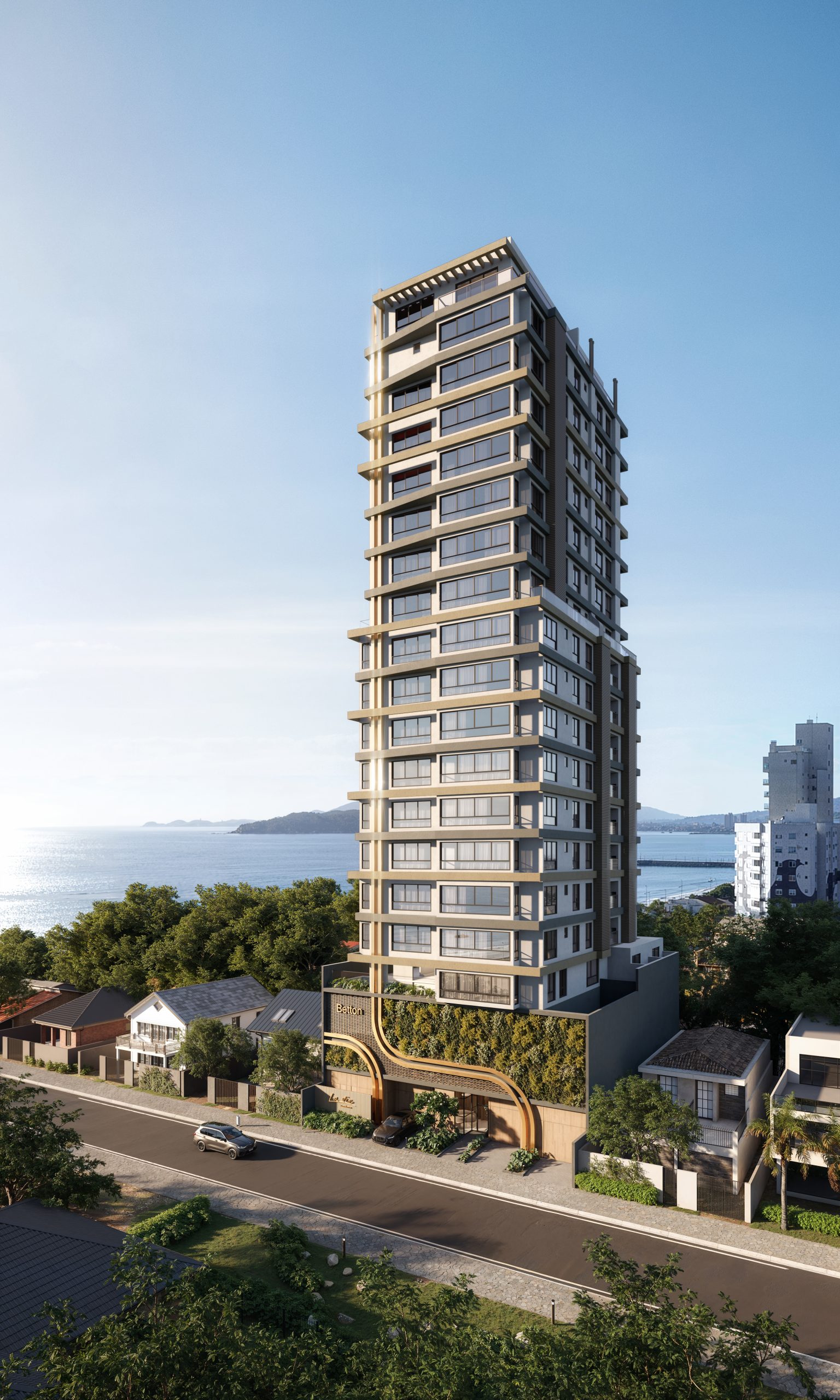
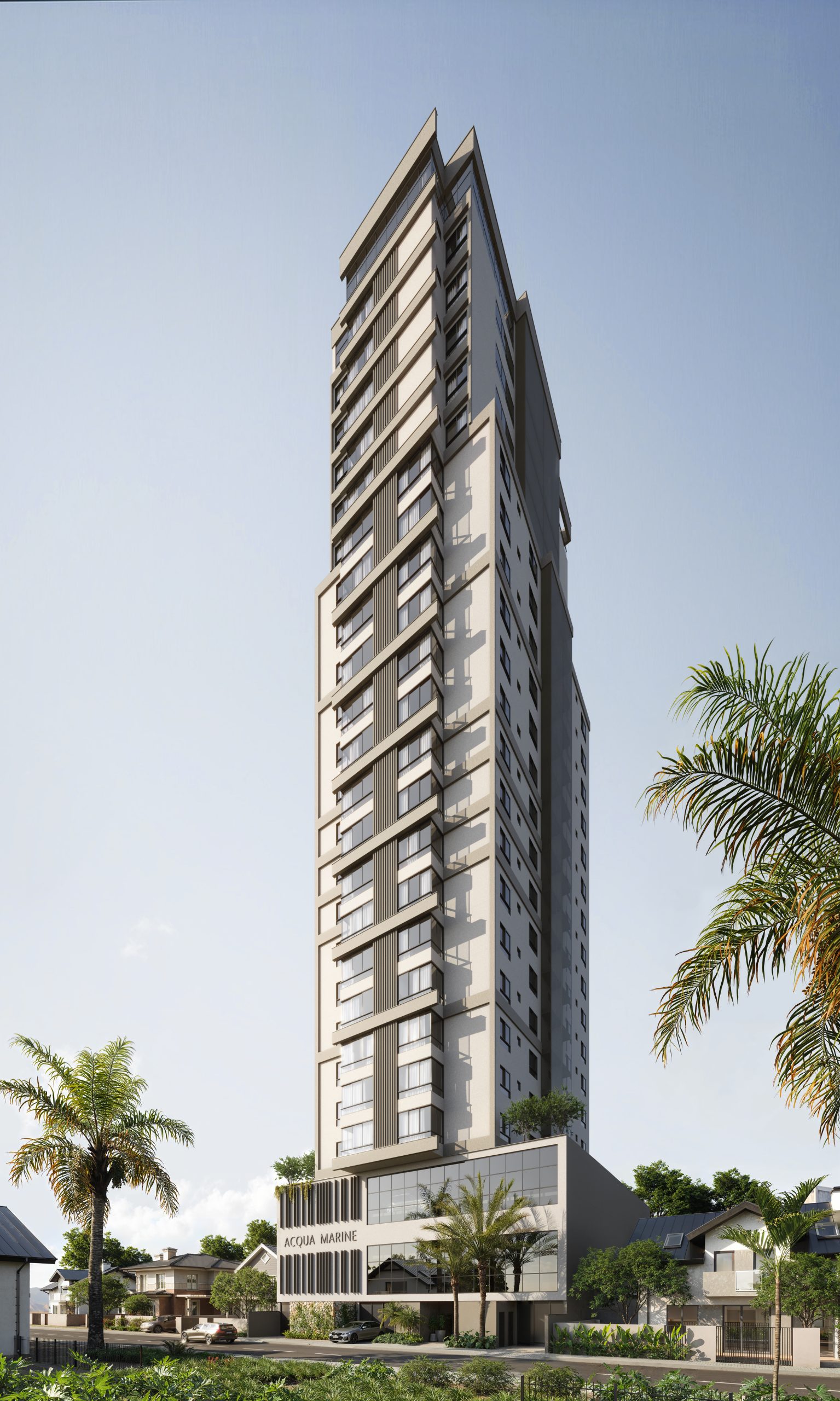
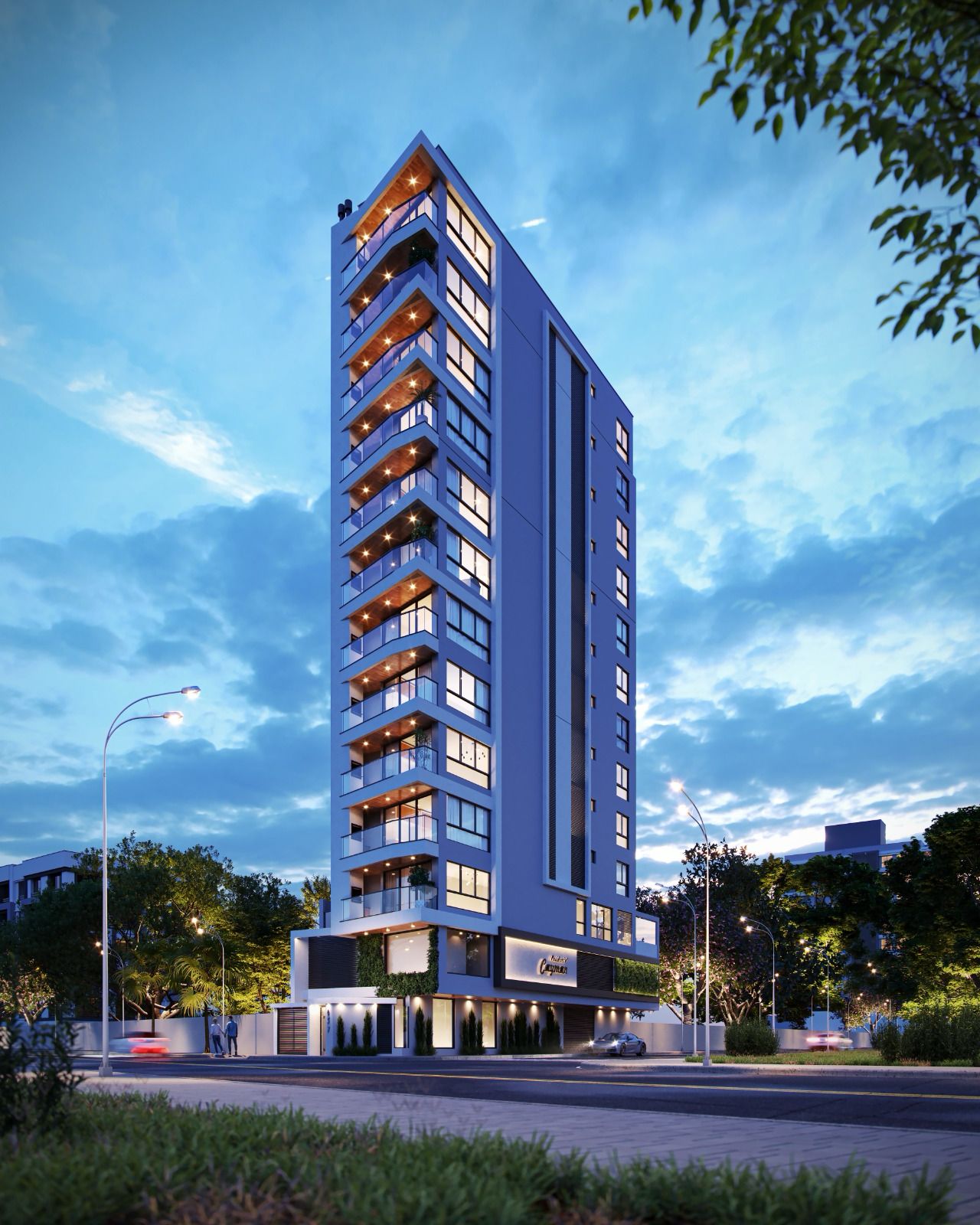
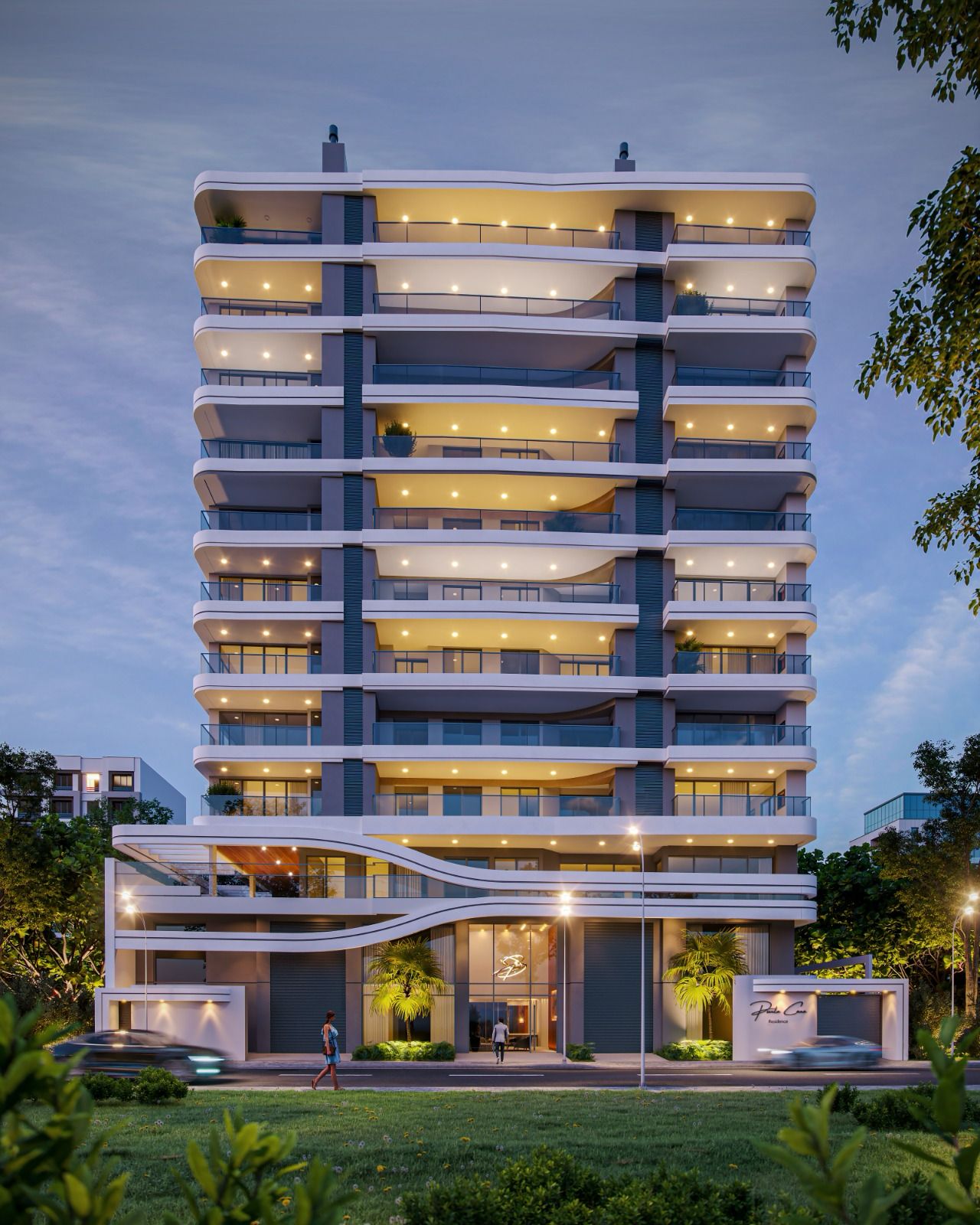
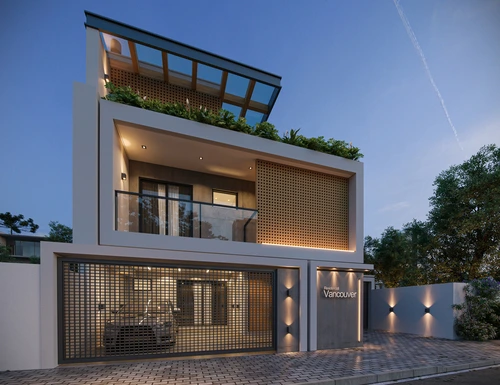
Green architecture is a concept increasingly applied in projects that seek to harmonize buildings and natural environments. Architectural projects that incorporate vegetation – such as green facades, green roofs, and vertical gardens – help to lower ambient temperature and improve air quality, in addition to providing a visually pleasing space.
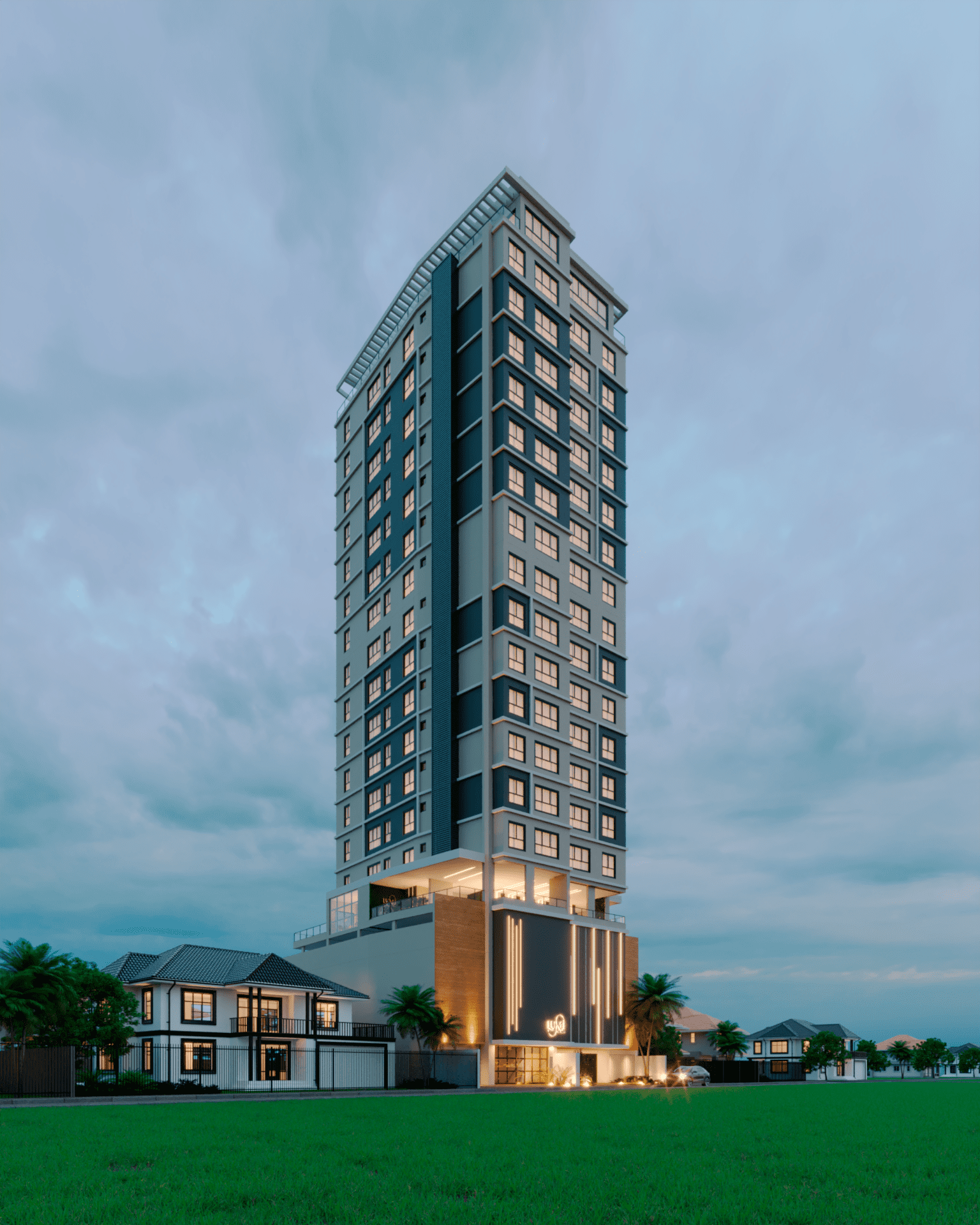
- Smart Cities: Contemporary architecture also plays an essential role in the development of smart cities, where technology is integrated into the urban environment to create more connected and sustainable cities. The Internet of Things (IoT), for example, allows buildings to "talk" to each other and adapt to the needs of residents, automatically adjusting lighting, ventilation, and energy consumption. These technologies help transform cities into more efficient and collaborative environments.
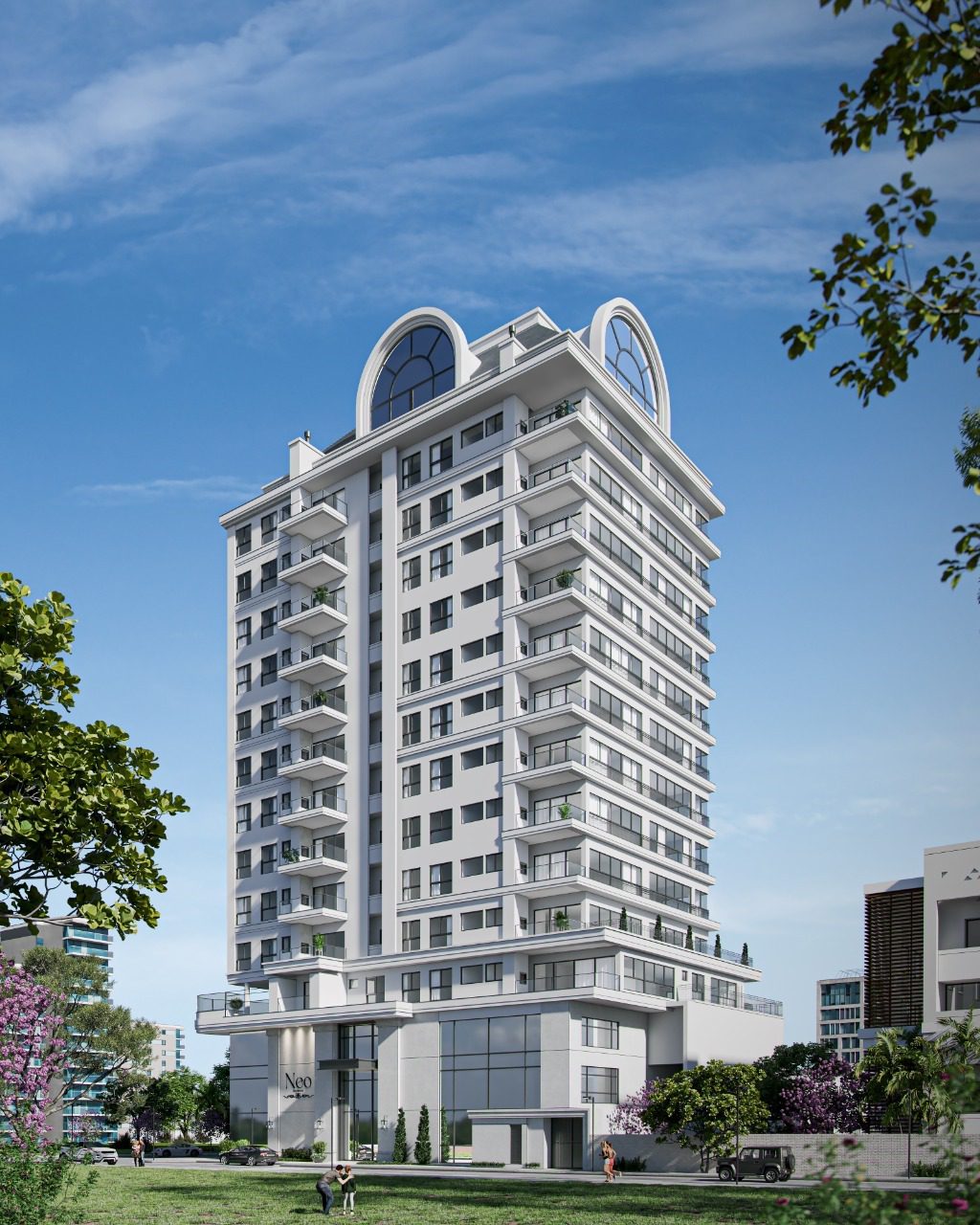
- Multifunctional Projects: In large cities, where space is limited, multifunctional buildings become essential. Integrating residential, commercial, and leisure areas within the same building or complex optimizes the use of urban land, reducing the need for commuting and contributing to more sustainable mobility.
3. Biophilic Design: Reclaiming the Connection with Nature
Biophilic design is a growing trend that seeks to reconnect people with nature by incorporating natural elements into built environments. Studies indicate that environments with biophilic elements improve the productivity, well-being, and mental health of users. Examples of biophilic design include the use of large windows to take advantage of natural light, the inclusion of plants in indoor areas, and the use of natural materials that simulate the outdoor environment.
- Psychological and Physical Benefits: The presence of natural elements in work environments, such as plants and running water, helps reduce stress and increase user satisfaction. In homes, biophilic design contributes to comfort and relaxation, creating a more welcoming environment closer to nature.
4. Architecture and Social Responsibility
Beyond its aesthetic and functional aspects, contemporary architecture has a commitment to social responsibility. Projects focused on affordable housing and urban infrastructure are essential to providing a better quality of life for low-income populations. The creation of accessible and safe public spaces, such as parks, squares, and community centers, contributes to social inclusion and strengthens coexistence and interaction among city residents.
- Social Housing: Architectural projects focused on social housing need to be accessible, efficient, and sustainable. Architects around the world have been exploring new ways to create housing that utilize recycled materials and prefabricated modules, resulting in fast, low-cost construction with minimal environmental impact.
5. The Future of Contemporary Architecture
The future of architecture points towards an integrated approach, where technology and sustainability combine to create innovative, efficient, and humanized spaces. With the growing need to adapt to climate change, architects and engineers will continue to explore creative solutions that ensure the resilience of cities.
- Self-Sustaining Buildings: The creation of self-sufficient buildings, capable of generating their own energy and storing natural resources, will be an important trend in the coming years. In addition to reducing environmental impact, this approach offers greater independence to residents and reduces pressure on urban infrastructure.
- Adaptation to the Climate: Modern architects are designing buildings that can adapt to climatic conditions, such as temperature changes and increased rainfall. Smart materials, such as high-efficiency glazing and adaptive ventilation systems, allow buildings to automatically adjust to the climate, offering comfort and safety.
Conclusion
Contemporary architecture represents an opportunity to reinvent cities and build a more sustainable and inclusive future. By integrating sustainable elements, advanced technologies, and concepts of social responsibility, architects can create spaces that not only meet the immediate needs of the population but also protect the planet for future generations. Architecture is more than just a collection of buildings – it's a way to transform the world into a better place for everyone.