














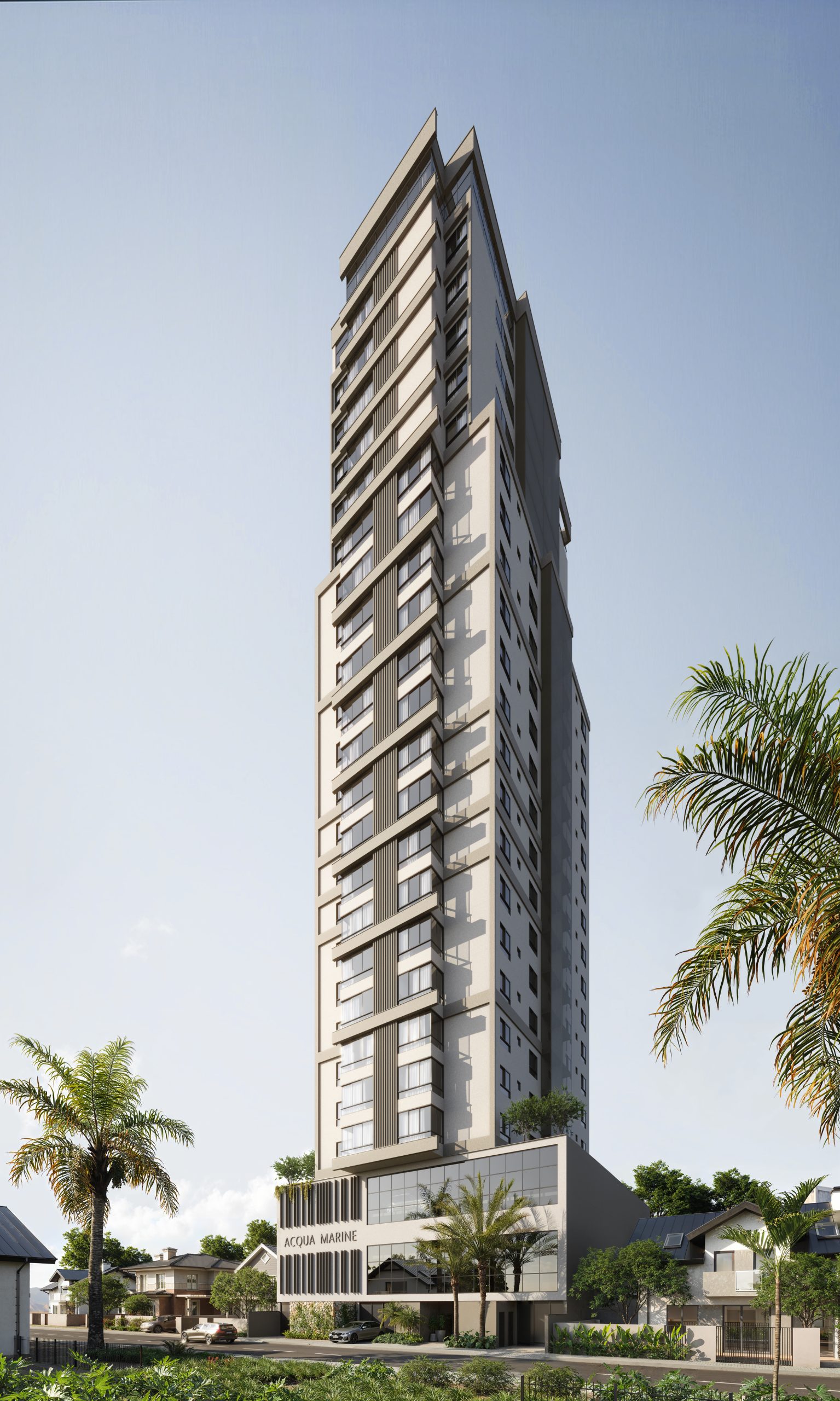



The growth of cities and the need for modern infrastructure have generated significant challenges for civil engineering. With technological advancements and increasing environmental awareness, engineers are encouraged to seek solutions that promote both sustainable development and urban efficiency. This article explores how engineering plays a crucial role in creating sustainable and smart cities, addressing technological innovations, green building practices, and the challenges faced in ensuring a resilient and inclusive urban future.
Engineering and Urban Sustainability
Sustainable engineering seeks to create infrastructure that minimizes environmental impact while also being efficient and durable. The construction of green buildings, the implementation of renewable energy sources, and the use of recyclable materials are examples of practices adopted by engineers to contribute to urban sustainability.
Sustainable Materials: The use of materials with a lower environmental impact, such as recycled concrete and reusable steel, helps to reduce the ecological footprint of buildings. Natural materials, such as certified wood, bamboo, and eco-bricks, are also gaining popularity in civil engineering.
Energy and Water Efficiency: Projects that prioritize energy efficiency, such as the installation of solar energy systems and LED lighting, allow for resource savings. Rainwater harvesting and utilization systems, as well as water reuse technologies, are fundamental for a sustainable city and have become increasingly common in engineering projects.
Technologies for Smart Cities
The digital transformation of cities requires civil engineers and other professionals to incorporate cutting-edge technologies into infrastructure projects. The Internet of Things (IoT), Artificial Intelligence (AI), and the use of Big Data are some of the technologies that contribute to the creation of smart cities.
Real-Time Monitoring: IoT-connected sensors allow bridges, roads, and buildings to be monitored in real time, identifying structural problems and enabling preventative maintenance. This not only increases safety but also reduces long-term maintenance costs.
Intelligent Mobility: Transportation engineering plays an important role in creating sustainable urban mobility solutions. Integrated transportation systems, such as automated subways, smart bike lanes, and electric buses, are being implemented to improve traffic flow and reduce pollutant emissions. The concept of Mobility as a Service (MaaS) is also an innovation that allows people to use different modes of transportation in an integrated and efficient way.
Modular Construction and 3D Printing: Modular construction and 3D printing of structures allow for the creation of buildings quickly, precisely, and economically. These technologies help reduce material waste and labor costs, as well as enabling the construction of affordable housing.
Civil Engineering and Adaptation to Climate Change
With the increase in heavy rainfall, floods, extreme temperatures, and other weather phenomena, engineers need to adapt designs to ensure that buildings are resilient and safe.
Water Resources Management: Flood control and efficient water storage are essential in cities subject to heavy rainfall. Solutions such as dams, drainage canals, and rainwater harvesting systems are being developed to reduce the impact of climate change.
Resilient Constructions: Civil engineering has invested in construction techniques that increase the resistance of buildings to natural disasters. Elevated structures in coastal areas, weather-resistant materials, and seismic reinforcements in earthquake-prone areas are examples of practices that ensure greater structural resilience.
Engineering and Social Responsibility
Engineering also plays a fundamental role in promoting inclusion and improving quality of life. Adequate and safe urban infrastructure contributes to social well-being, making urban spaces accessible and promoting a more just society.
Social Housing: Engineers have been working to develop low-cost, highly efficient social housing that offers dignified and safe living conditions. Construction techniques such as modularity and the use of accessible materials allow these homes to be built quickly and with quality.
Urban Accessibility: Civil engineering also focuses on creating urban infrastructure that includes ramps, elevators, adapted sidewalks, and signage to meet the needs of people with disabilities. These initiatives are essential so that everyone can enjoy urban spaces equally.
The Future of Urban Engineering
Urban engineering is constantly evolving, seeking ways to adapt to new environmental and social challenges. In the coming years, civil engineering is expected to continue exploring new technologies and methodologies that reduce environmental impact, increase energy efficiency, and improve the quality of life in cities.
Self-Sufficient Buildings: The creation of self-sufficient buildings that generate their own energy and can store natural resources is a trend that will gain even more momentum in the future. These buildings represent an advance in energy independence and resource conservation.
BIM (Building Information Modeling) technology: The use of BIM allows engineers, architects, and builders to work together on a digital model that integrates all stages of a project. This technology improves accuracy and facilitates cost and schedule management, increasing efficiency in the construction of large urban projects.
Conclusion
Civil engineering faces the challenge and responsibility of shaping the cities of the future, addressing environmental, social, and technological issues. Building smart and sustainable cities requires an integrated approach that combines technological innovation, sustainability, and social responsibility. Through the use of innovative practices and materials, engineers have the power to transform urban reality, providing a more sustainable and inclusive future for generations to come.