

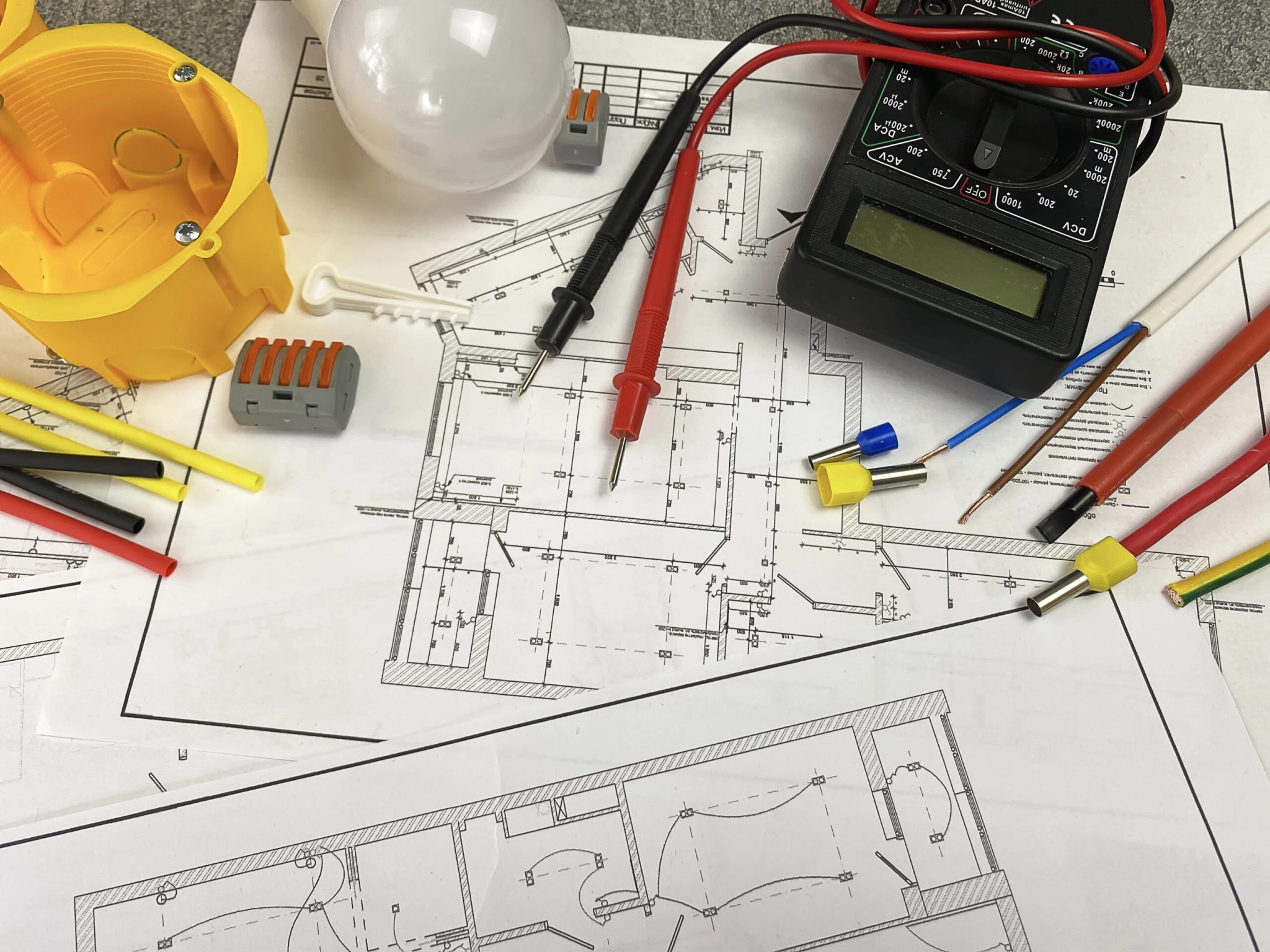













Integrated electrical design unites electrical installations, lightning protection systems, and communication systems with the structure and architecture, avoiding conflicts and optimizing performance. It follows ABNT standards for BIM compatibility, reducing the risk of failures by up to 30%.
Essential Components
Electrical installations include load-rated distribution boards, underground cabling, and efficient LED lighting. Lightning protection systems (LPS) use lightning rods and grounding grids for tall buildings.
- Main switchboards with thermomagnetic circuit breakers.
- Dedicated circuits for air conditioning and elevators.
- Data systems with Cat6 structured cabling.
Integration with Other Disciplines
Compatibility is achieved through BIM (Building Information Modeling), aligning electrical conduits with the concrete and plumbing structures. This avoids overlaps, such as wires crossing beams, and ensures ventilation for panels.
| Discipline | Integration with Electrical | ABNT Standard |
|---|---|---|
| Structural | Installation of electrical conduits in slabs | NBR 6118 |
| Plumbing and Sanitary | Pipe separation | NBR 8160 |
| SPDA | Common grounding | NBR 5410 |
Benefits for Safety and Efficiency
It reduces energy consumption through automation and sensors, and prevents fires caused by overload. Preventive maintenance includes annual inspections, extending its lifespan by 15 years.