

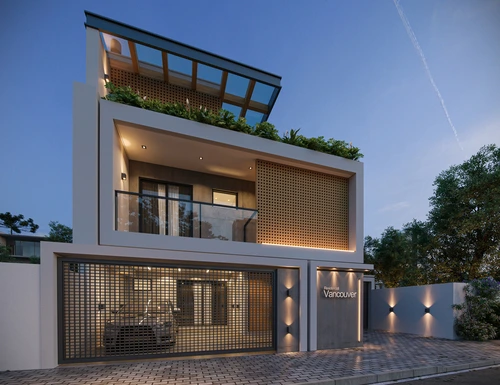
Architecture: Transforming Spaces, Connecting Lives
Architecture is one of the most powerful expressions of human creativity. It goes beyond the simple construction of buildings, representing a link between functionality, aesthetics, and the environment that surrounds us. From the earliest primitive dwellings to the modern and innovative structures that dominate large cities, architecture plays a fundamental role in how we live, interact, and perceive the world.
1. The Role of Architecture in Society
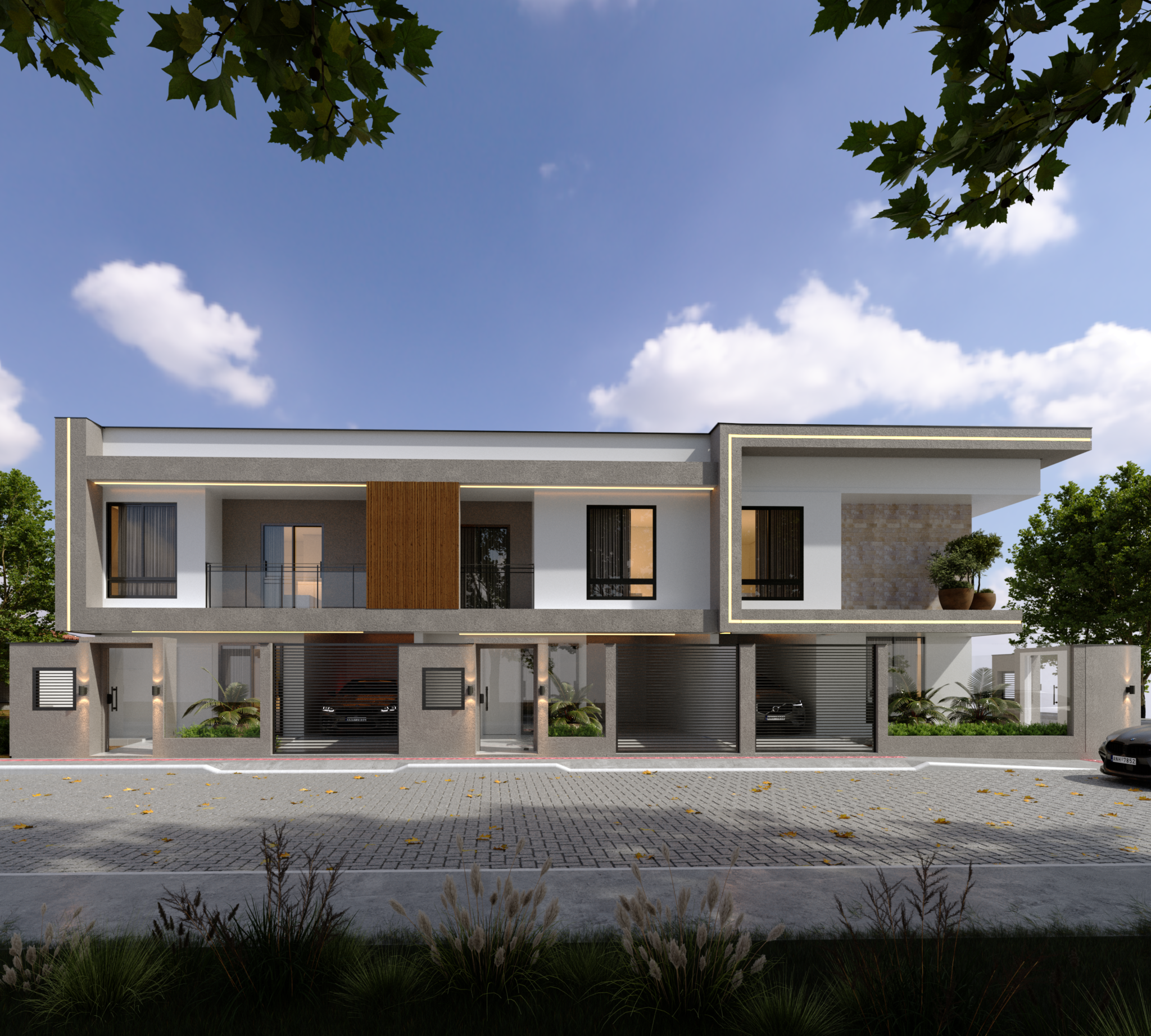
Architecture is, above all, a practice geared towards human needs. It not only creates shelters, but also defines the spaces where people work, study, have fun, and socialize. Each architectural project responds to a specific context, taking into account factors such as climate, culture, history, and technological advancements. By creating environments that meet human needs, architecture contributes to the quality of life and well-being of people.
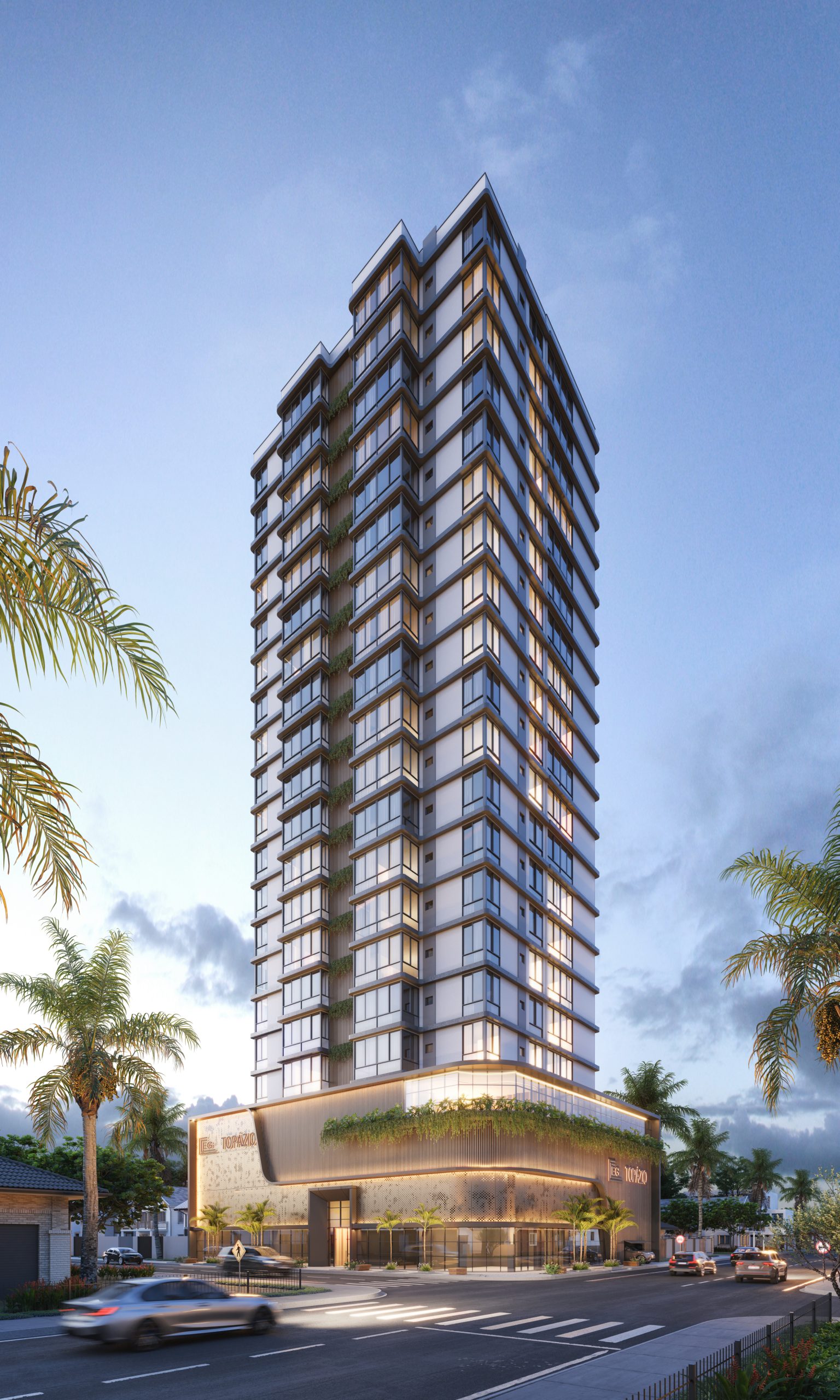
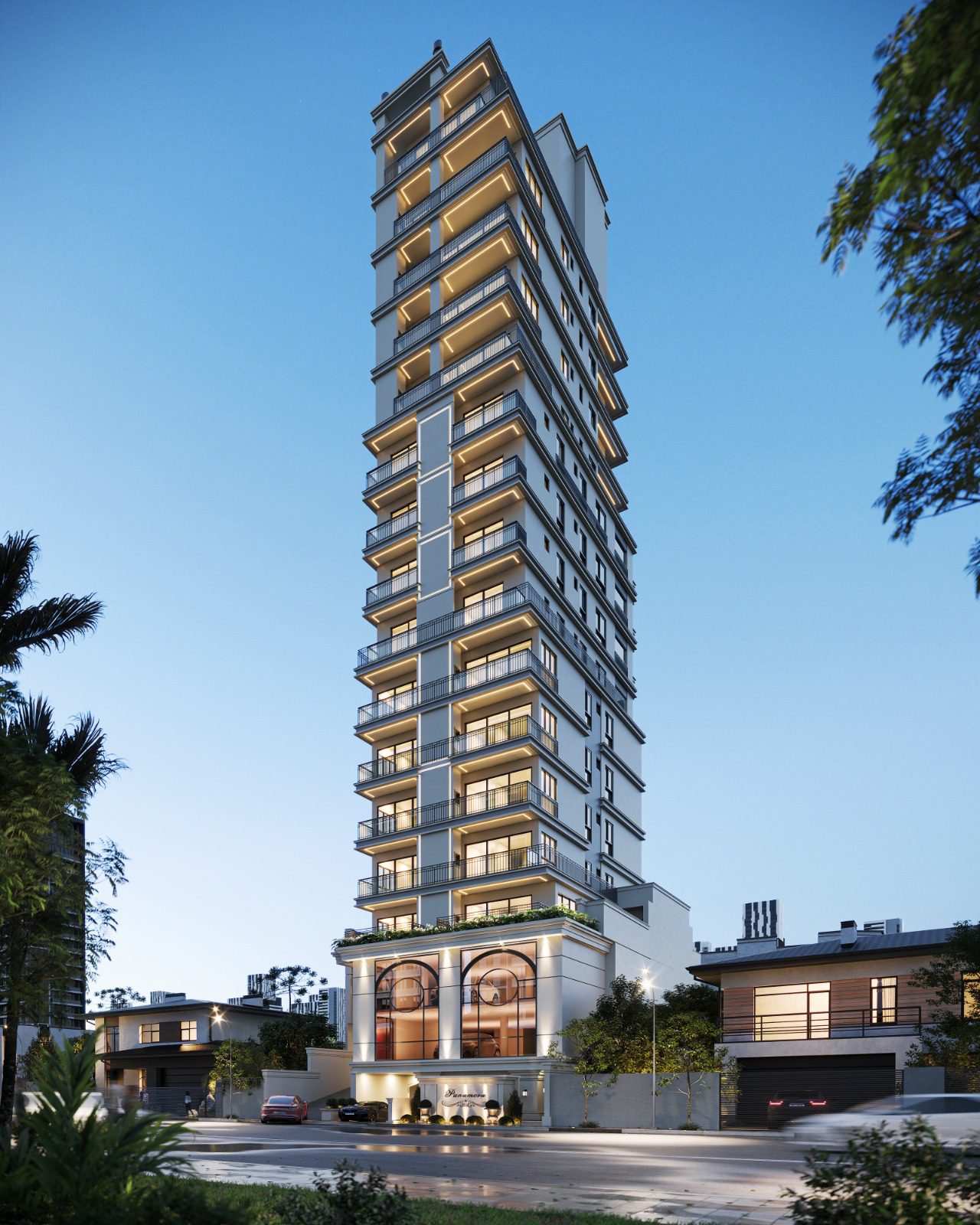
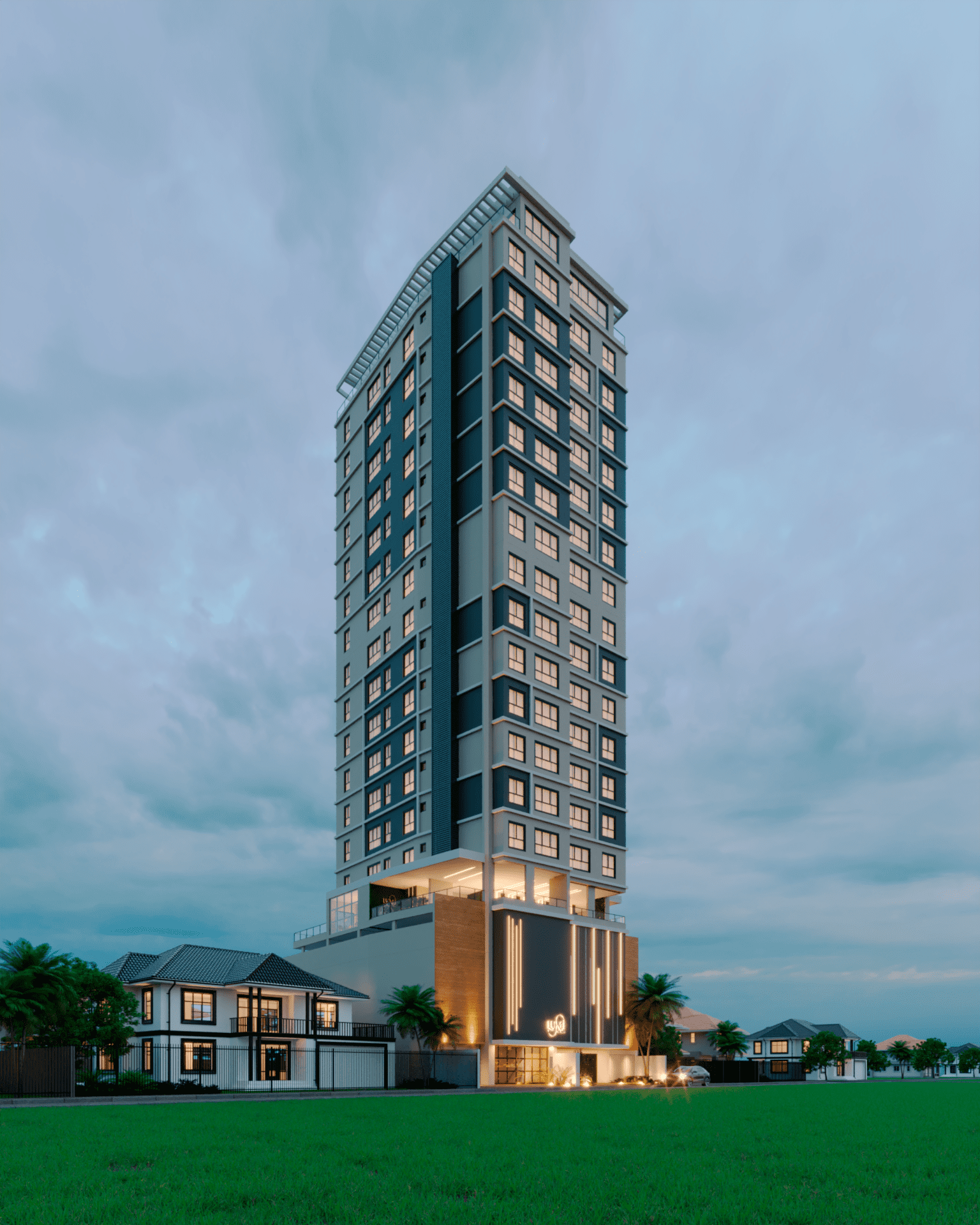
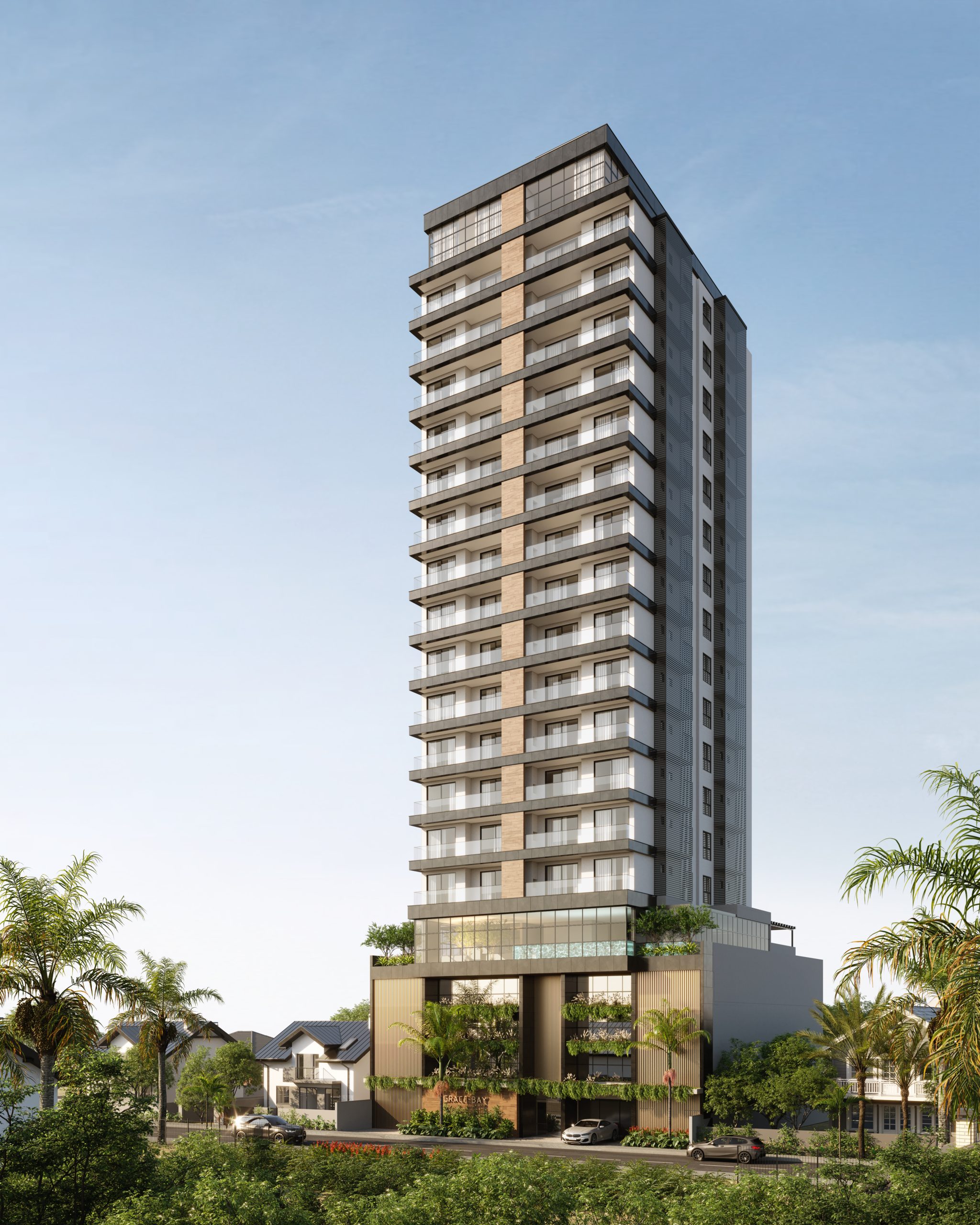
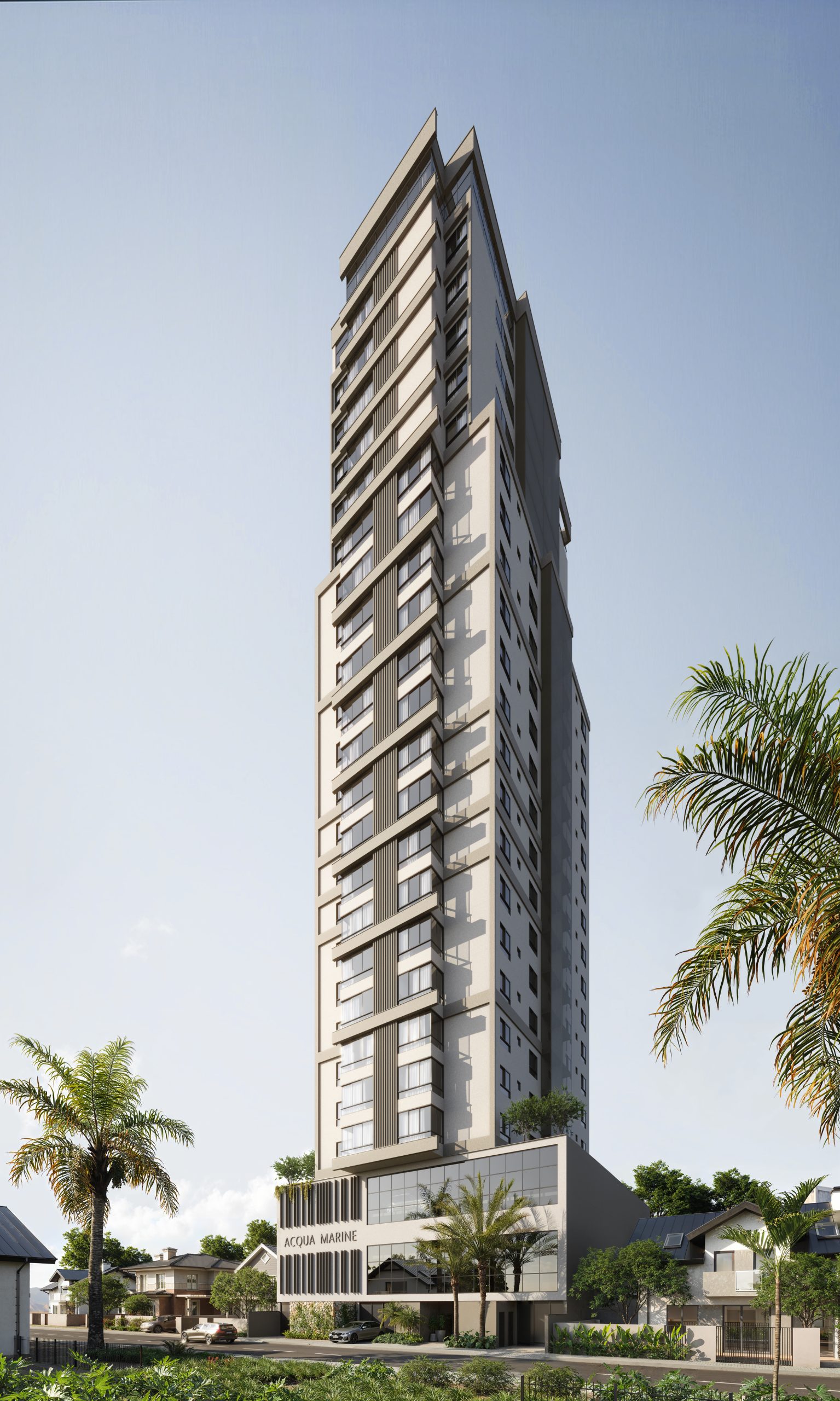
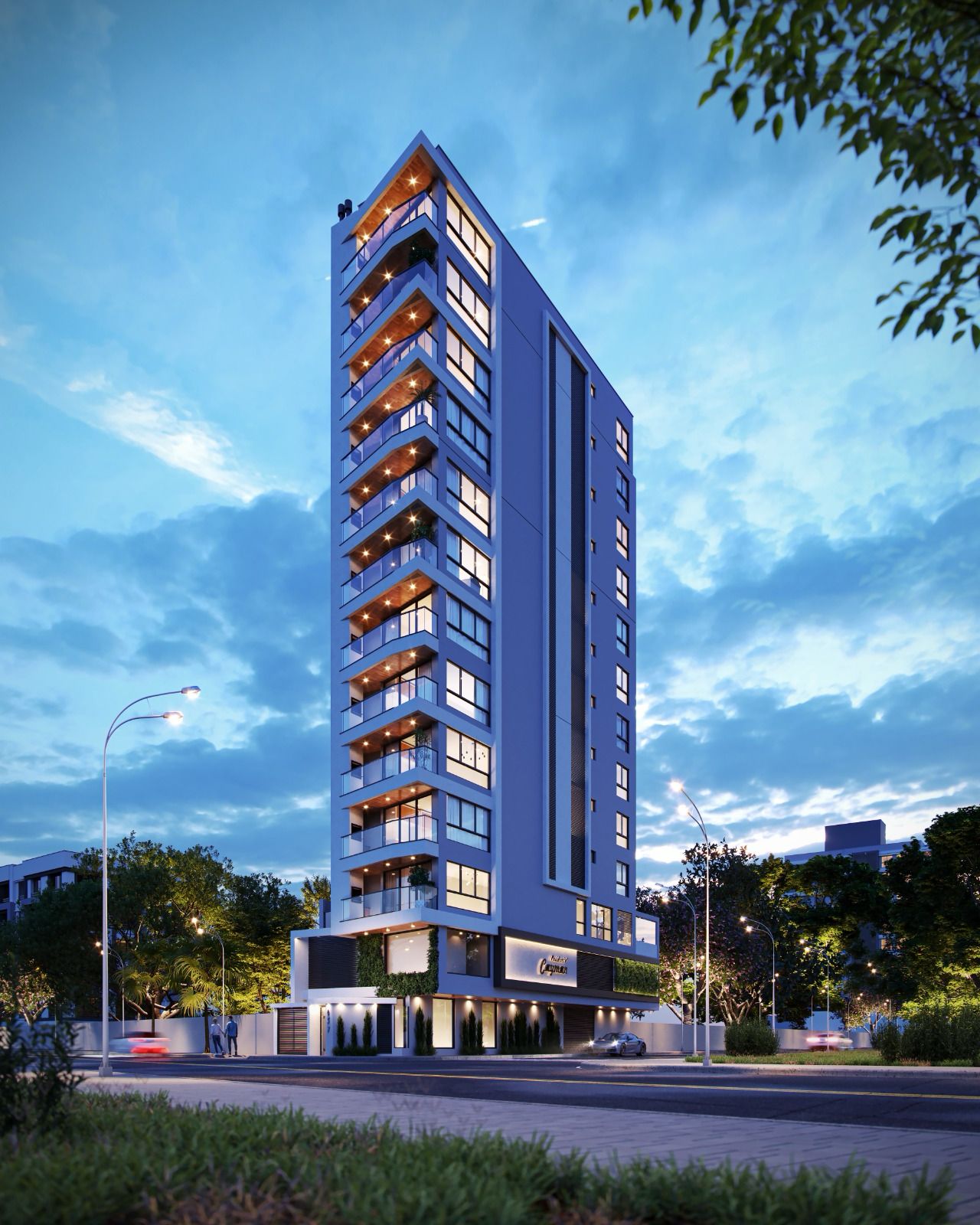
For example, in an increasingly urban world, architects have been challenged to design spaces that offer comfort, functionality, and sustainability. This is reflected in the creation of smart buildings, which are designed to maximize energy efficiency, improve air quality, and minimize environmental impacts.
2. Architecture as a Form of Expression
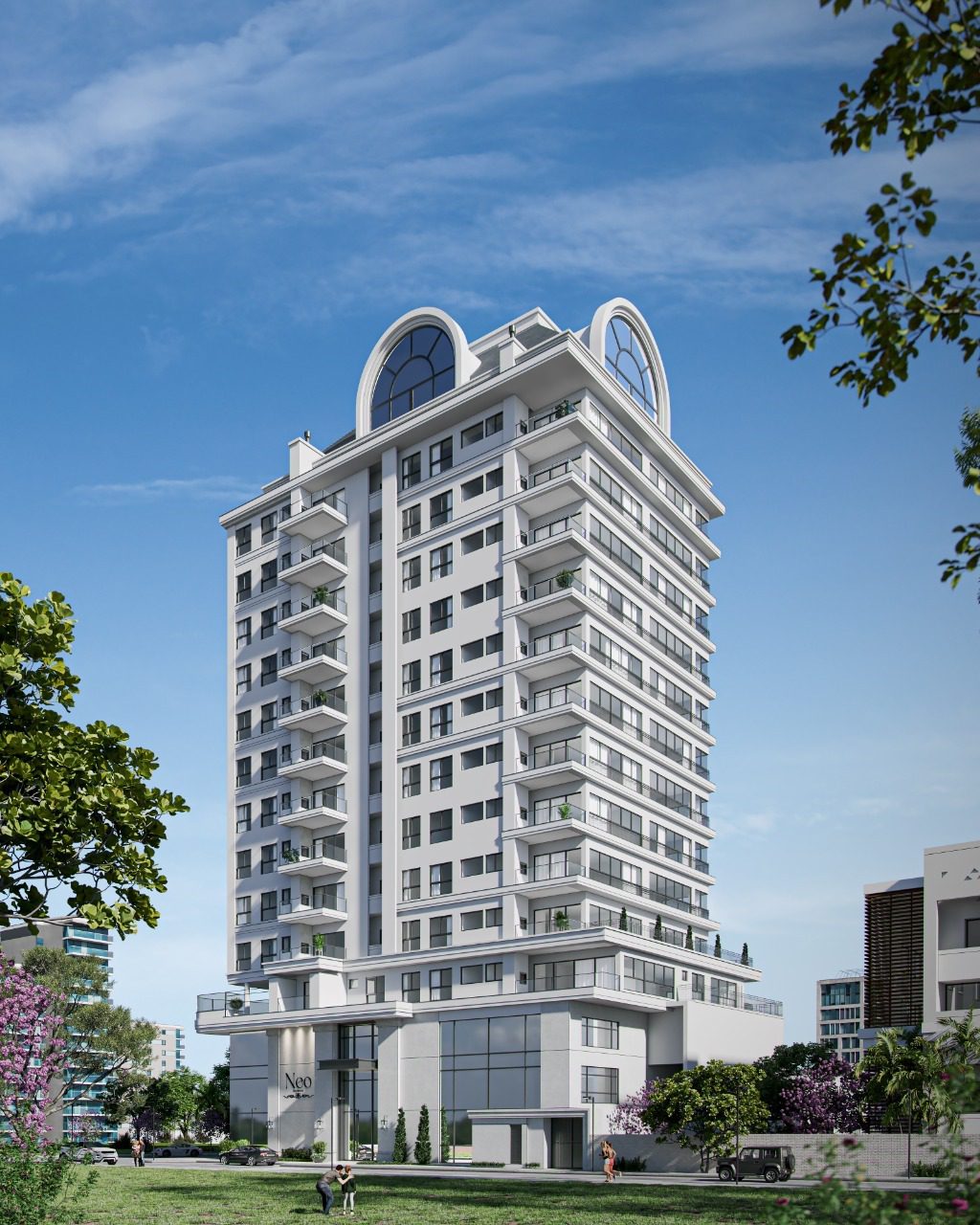
Beyond its practical function, architecture is also a form of artistic expression. The choice of materials, the organization of spaces, and the forms used in a project can convey cultural, historical, and social messages. Great architectural works, such as the Eiffel Tower in Paris, the Colosseum in Rome, or the Palace of Versailles, are not merely constructions; they are symbols of a historical moment, of the vision of their creators, and of the identity of a nation.
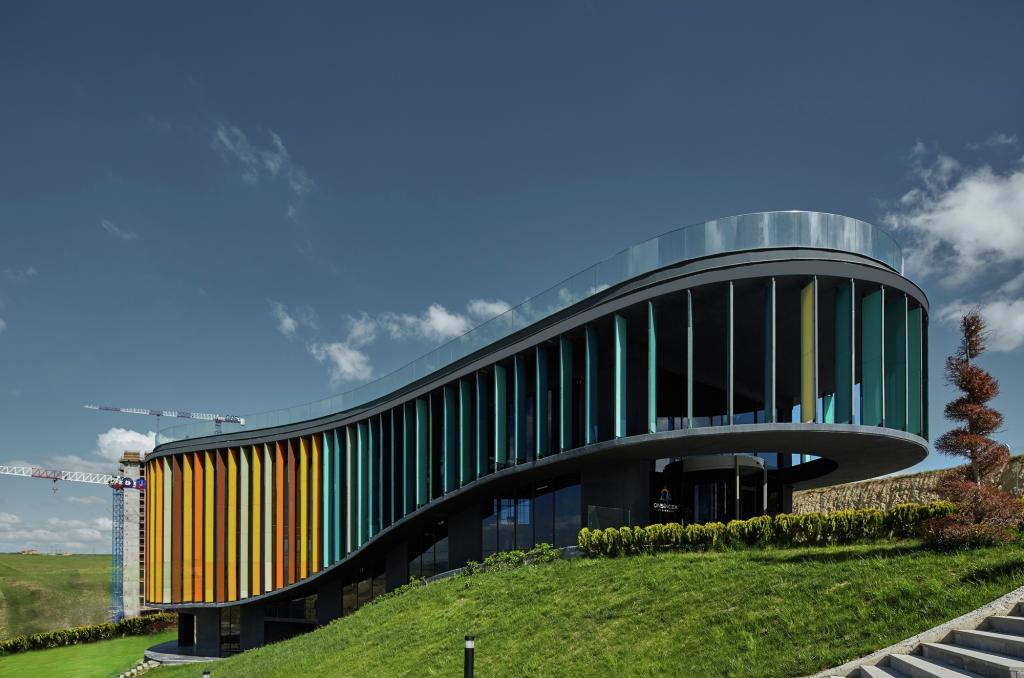
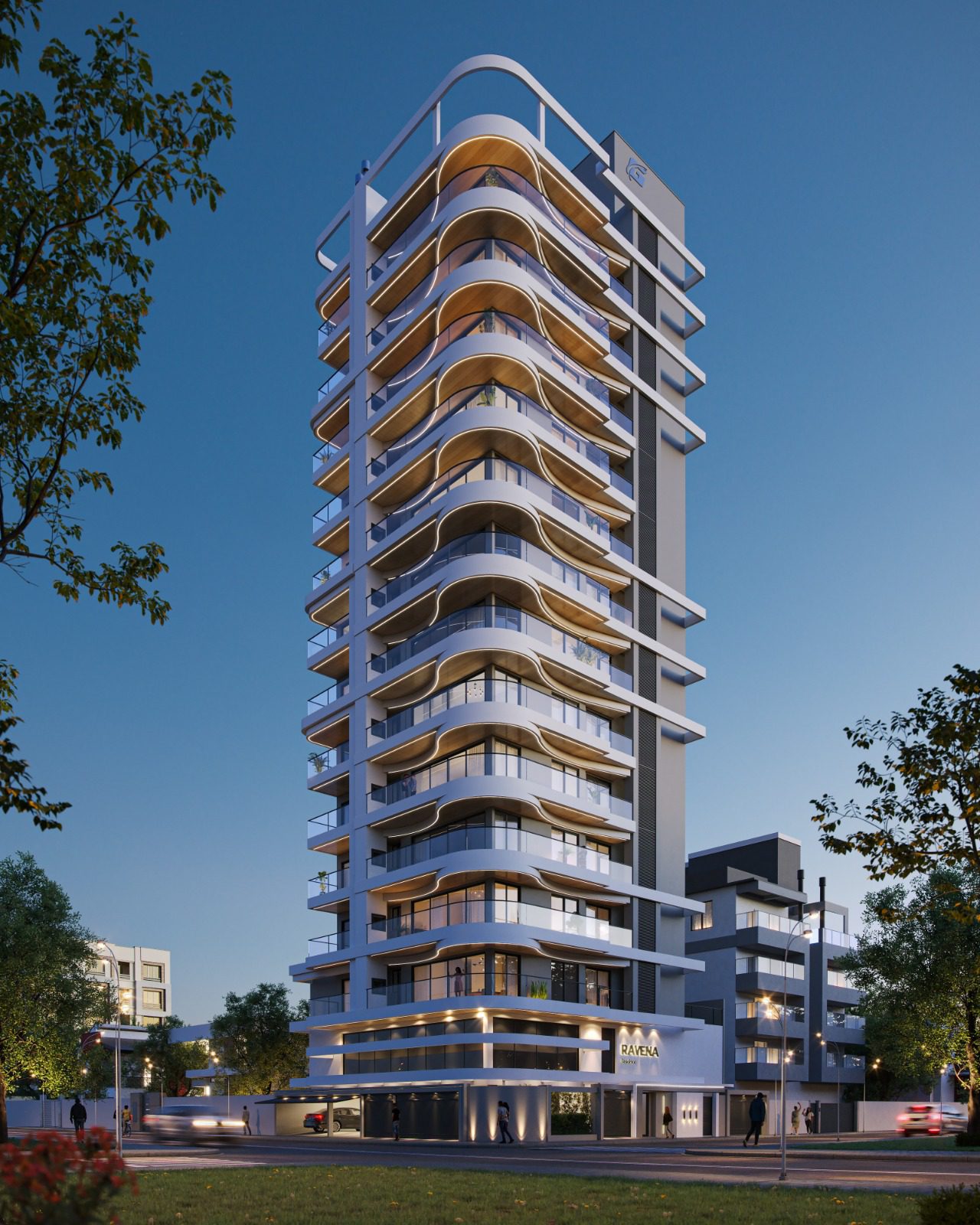
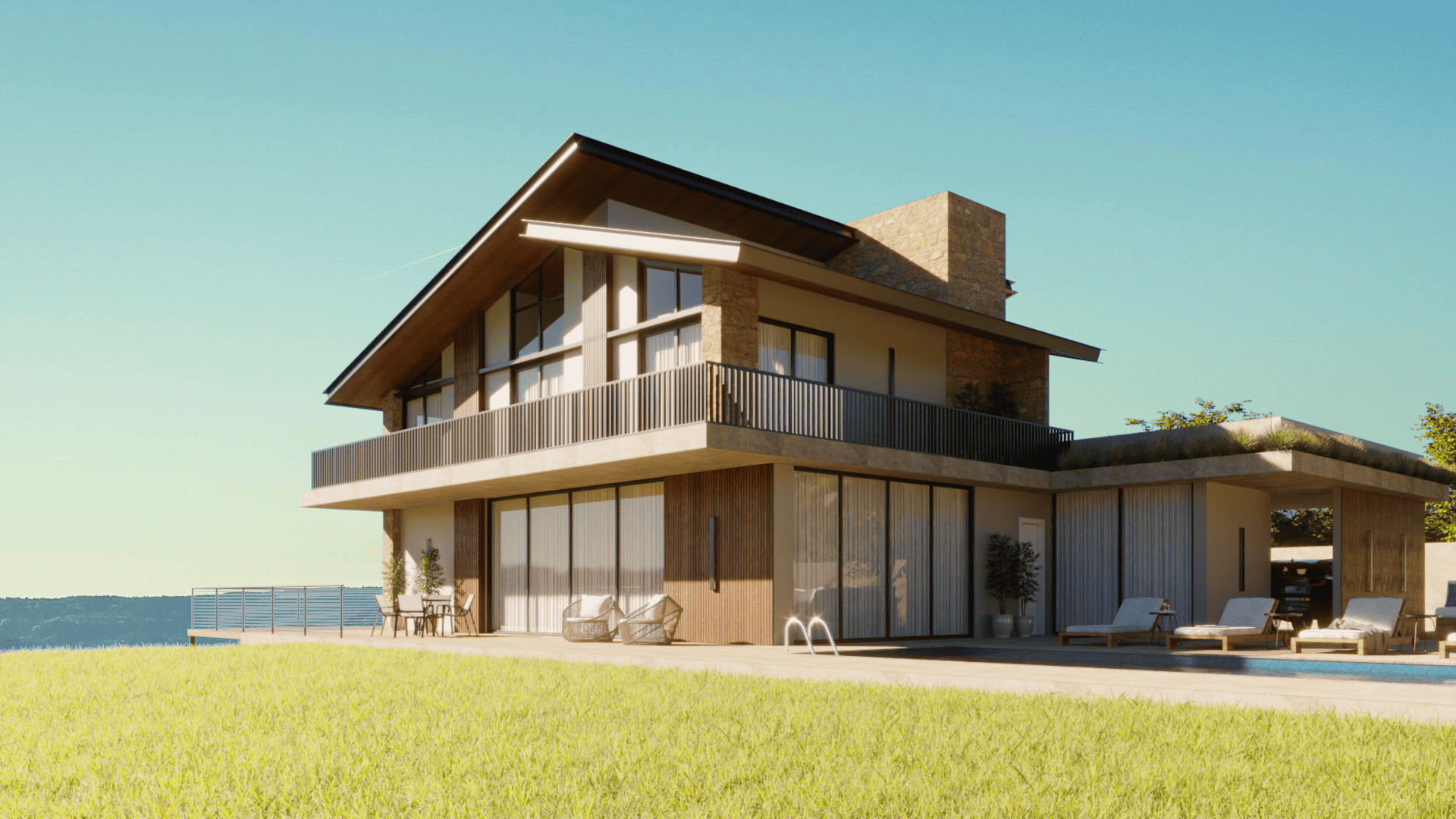
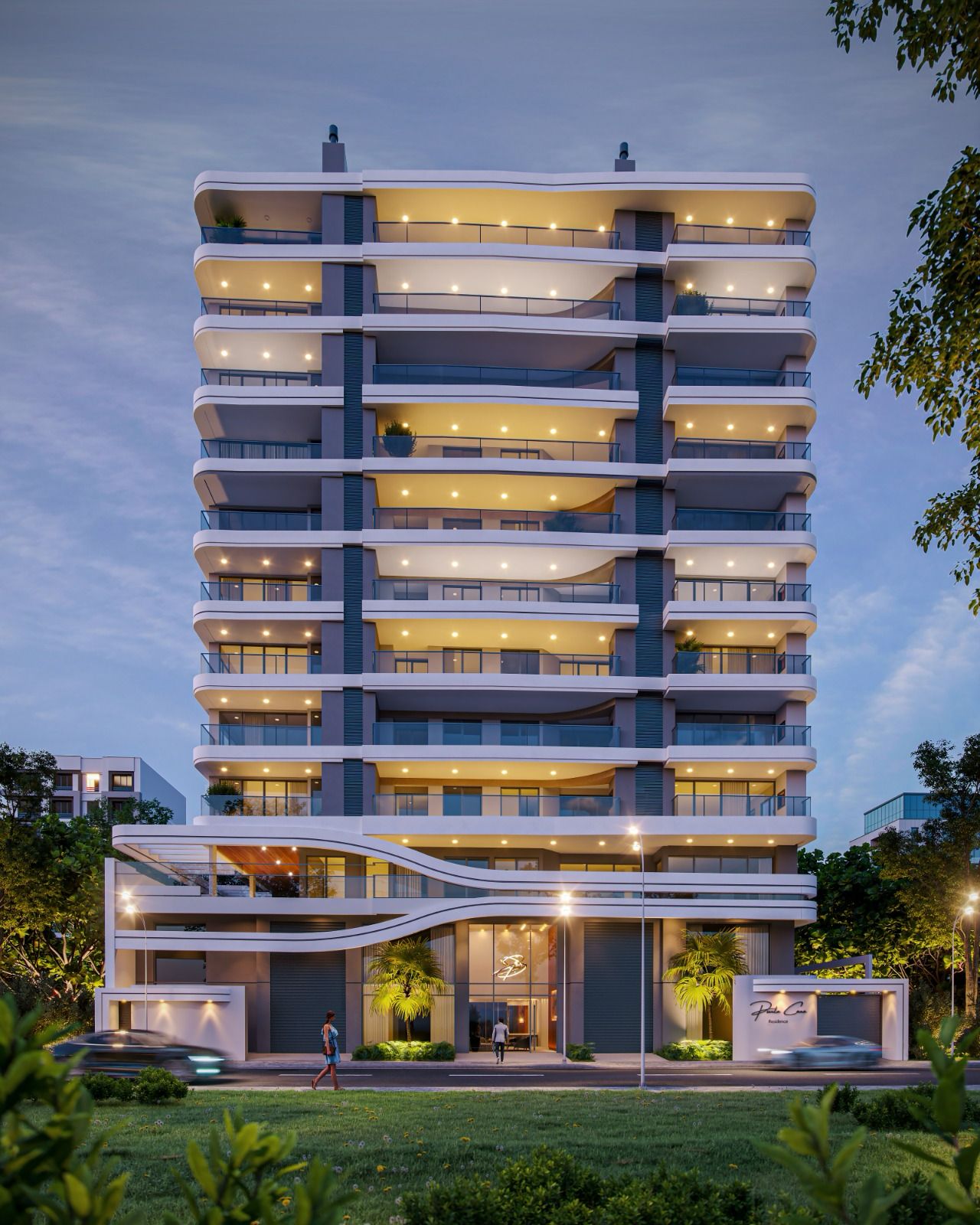
Nowadays, modern architecture goes beyond the use of straight lines and geometric shapes, seeking integration with nature, technological innovation, and sensitivity to environmental issues. Architects such as Zaha Hadid and Frank Gehry, for example, were pioneers in taking architecture into a more experimental and dynamic territory, with futuristic forms and structures that challenged conventions.
3. Sustainability and Architecture
In a world increasingly aware of the environmental impacts of human activities, sustainability has become an essential pillar in architecture. The responsible use of natural resources, the choice of recyclable and low-impact materials, and the adaptation of buildings to climate change are central issues in contemporary architectural practice.
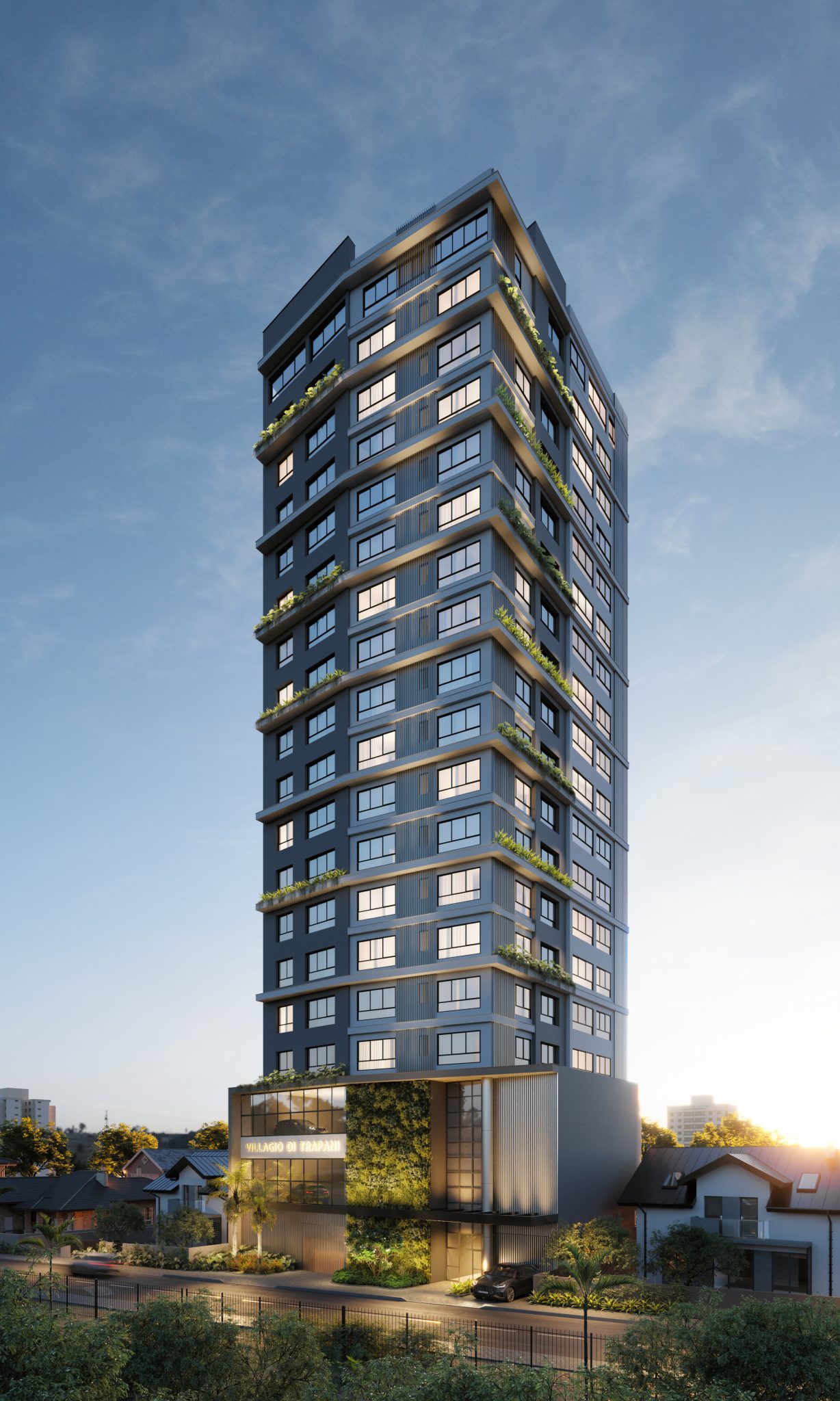
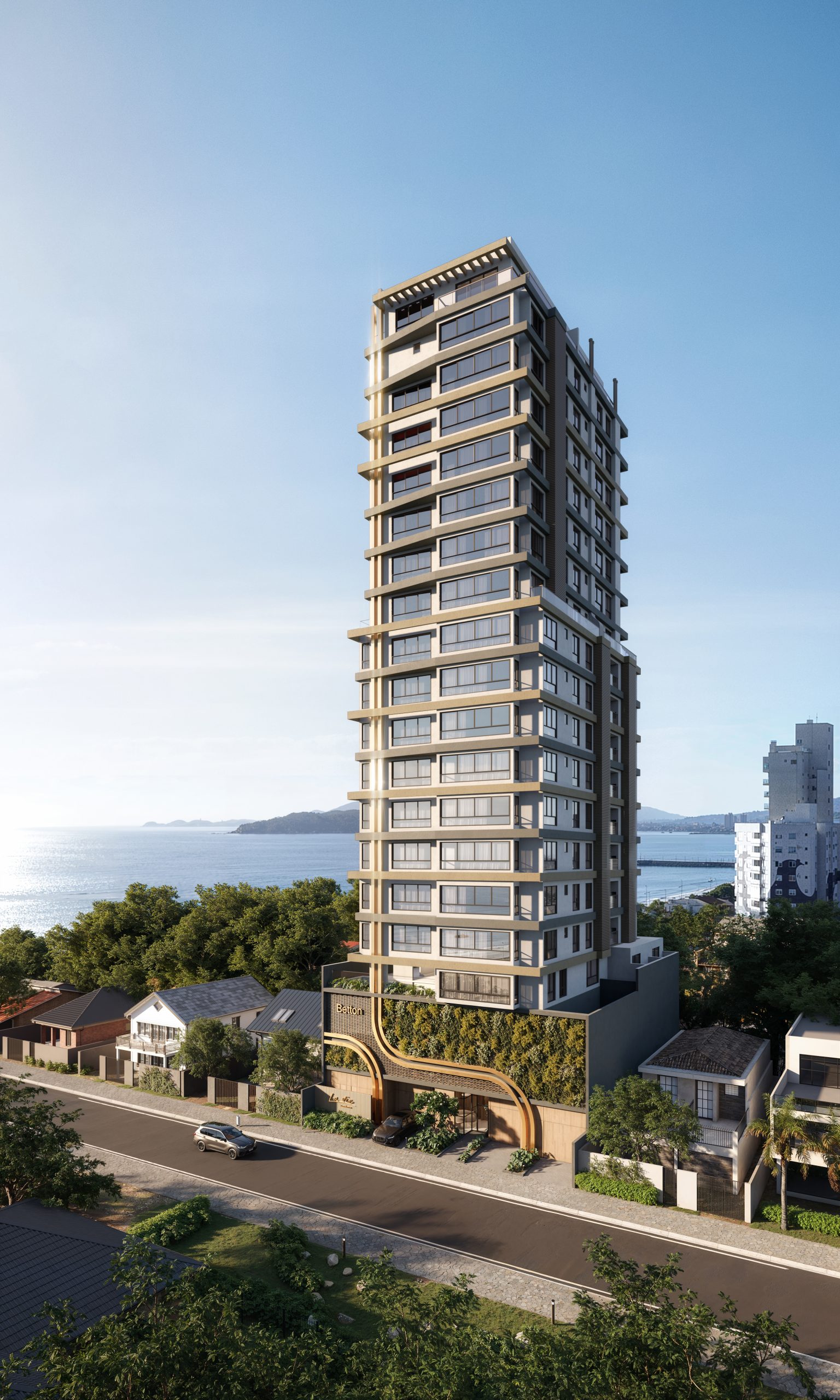
Architects have been working to create "green buildings," such as using solar panels, water reuse systems, and thermal insulation techniques to reduce energy consumption. The concept of "biophilic architecture," which promotes the connection between humans and nature, has also gained prominence, with the inclusion of interior gardens, green facades, and spaces that prioritize natural light.
4. Architecture and the Future of Cities
With the continued growth of urban populations, the future of architecture is increasingly focused on planning smart, inclusive, and resilient cities. The challenge is to create urban environments that meet the needs of all their inhabitants, promoting accessibility, social equity, and collective well-being.
Cities like Singapore and Amsterdam are becoming global examples of how architecture can be used to address issues such as excessive traffic, lack of green spaces, and housing problems. By adopting innovative technologies, these cities are creating new urban planning models that prioritize sustainability, smart mobility, and people's well-being.
Conclusion
Architecture is not just about construction, but about transformation. It has the power to shape how we live, influence our emotions, and even bring about social change. Throughout history, architects have played a crucial role in the evolution of cities and society. And as we move into the future, architecture will continue to be a vital link between human needs, the environment, and technological innovation, creating spaces that are not only functional but also inspiring.