



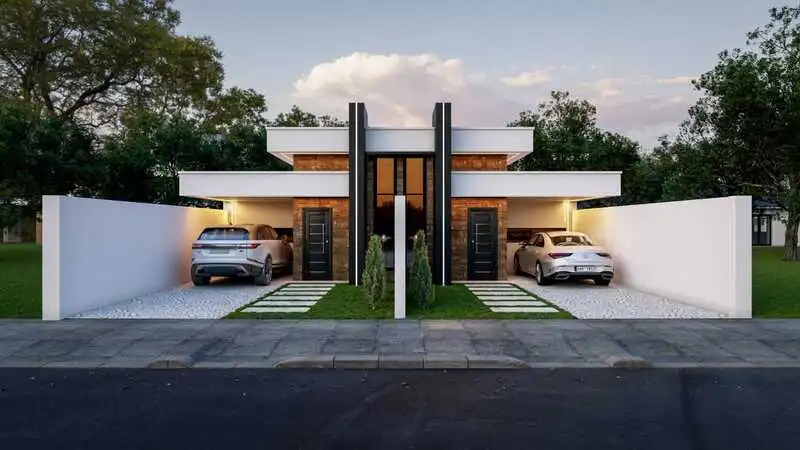


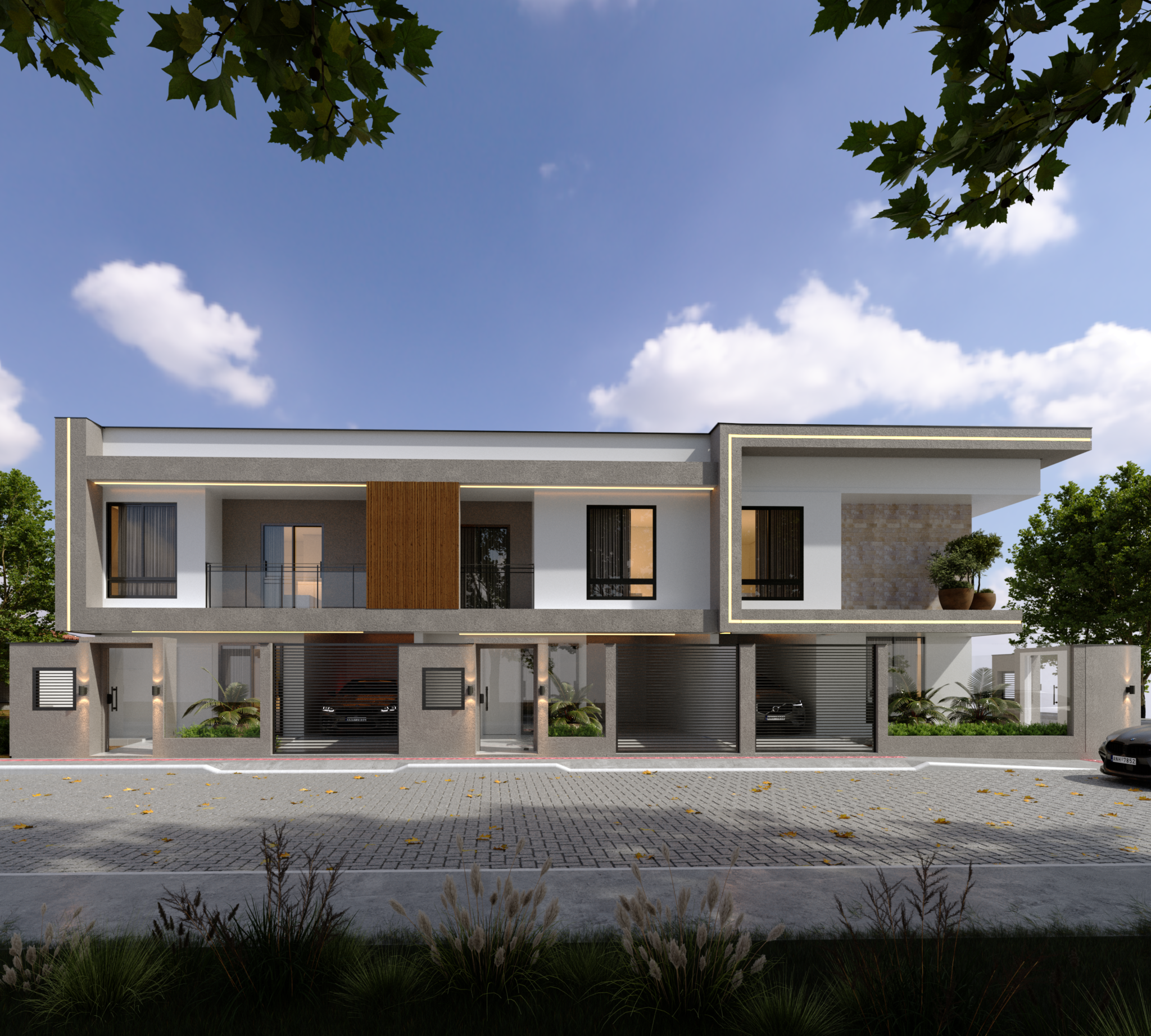


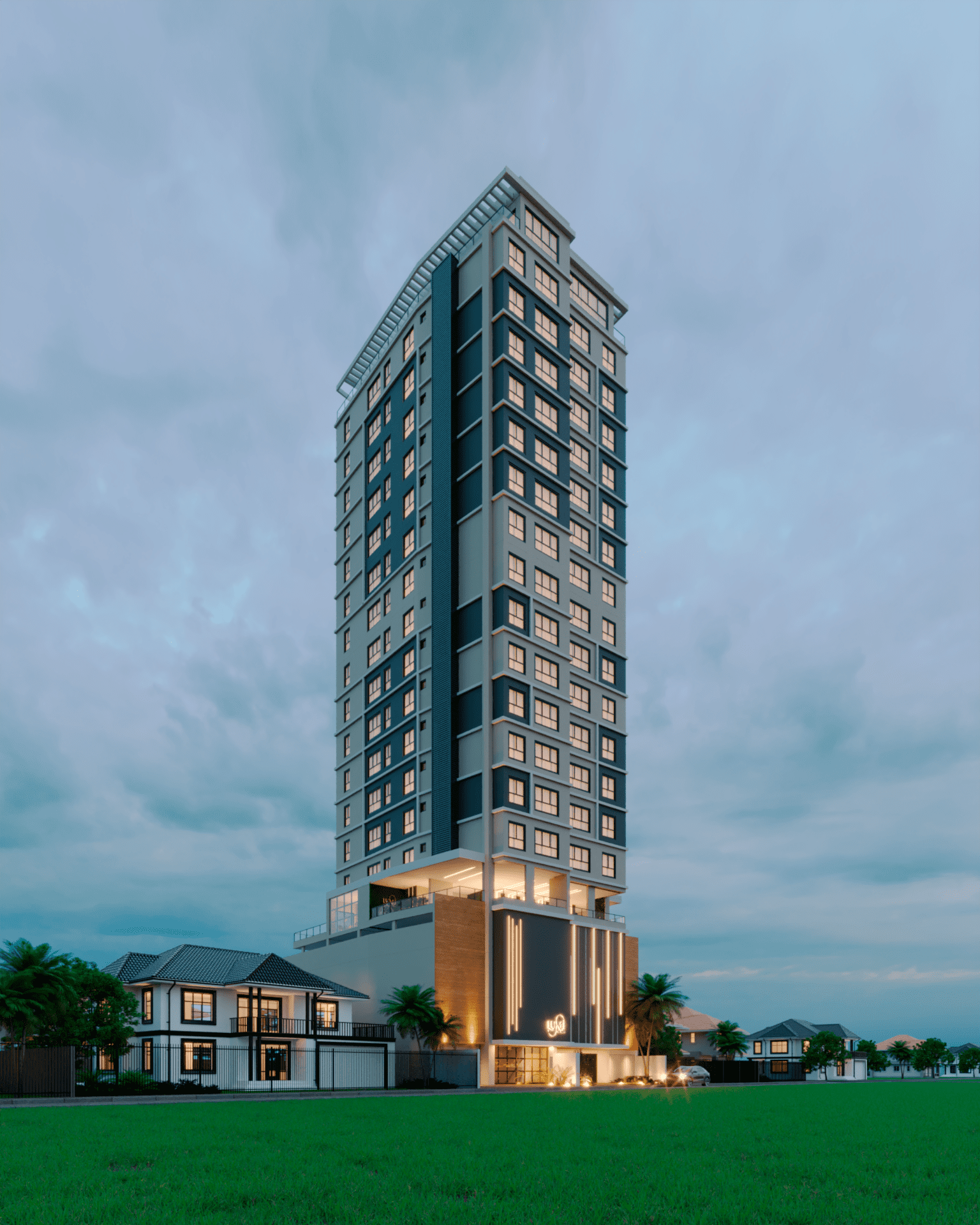



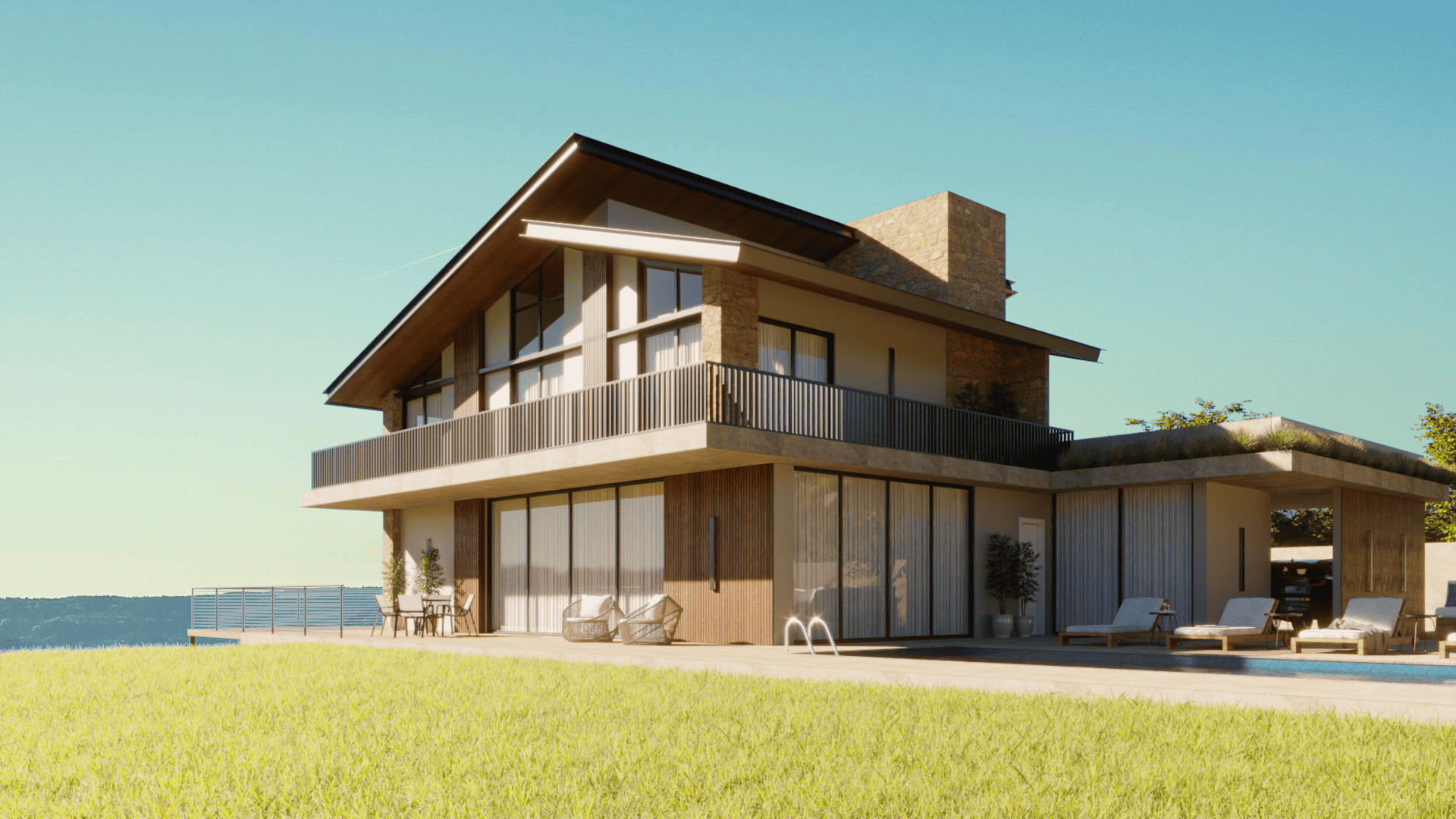




Architecture is a fundamental discipline for the formation of a city, its environment, and the cultural identity of a society. More than simply constructing buildings, architecture is the art and technique of designing and planning spaces that meet human needs, considering aesthetic, functional, cultural, and social aspects. In this article, we will explore the history of architecture, its main currents and influences, as well as the relationship between architecture and society and the environment.
1. The History of Architecture
The history of architecture dates back to the earliest stages of human civilization. From primitive constructions made with natural materials to the monumental works of the great ancient civilizations, architecture reflects the technological advances, cultural beliefs, and social conditions of each period. Among the first great civilizations that left their mark on architecture are the Egyptians, Greeks, and Romans, who developed iconic architectural forms such as the pyramids, Greek temples, and Roman aqueducts.
Over the centuries, new architectural styles and movements have emerged, such as Romanesque, Gothic, Renaissance, Baroque, and more recently, Modernism and Postmodernism. Each of these periods brought innovations in terms of construction techniques, aesthetics, and use of space, also reflecting the social and cultural transformations of each era.
2. Main Architectural Movements
- Classical ArchitectureThis refers to the architecture of ancient Greece and Rome, which profoundly influenced the West. Its main characteristics include symmetry, columns (Doric, Ionic, and Corinthian), and the pursuit of harmony in proportions.
- RomanesqueDeveloped in medieval Europe, the Romanesque style is characterized by the use of stone vaults and thick walls with small windows. Medieval architecture aimed for both functionality and the creation of mystical environments in churches and monasteries.
- GothicOriginating in the 12th century, this style is known for its cathedrals with high naves, pointed arches, and colorful stained glass windows. The pursuit of verticality and light is one of the essential principles of Gothic architecture.
- RenaissanceThe Italian Renaissance in the 15th century marked a return to classical antiquity. The emphasis was on symmetry, proportion, and perspective, with architects such as Filippo Brunelleschi and Michelangelo revolutionizing the construction of churches, palaces, and public buildings.
- BaroqueIn the 17th century, Baroque architecture stood out for its opulence, exuberant ornamentation, and use of dramatic contrasts of light and shadow. The Baroque was closely linked to the needs of the Catholic Church, which sought grandeur to inspire religious emotion.
- ModernismAt the beginning of the 20th century, modernism emerged as a break with the architectural traditions of the past, prioritizing functionality, simplicity, and the use of new materials such as concrete and glass. Architects like Le Corbusier and Ludwig Mies van der Rohe are great exponents of this era, with the motto "form follows function".
- PostmodernismReacting against the rigidity of modernism, postmodernism brought back decorative elements, colors, and greater formal freedom. Architects such as Frank Gehry and Michael Graves sought to mix different historical styles and new concepts, creating more expressive and innovative forms.
3. Architecture in a Social and Cultural Context
Architecture plays a crucial role in shaping cities and social relations. It not only determines the physical form of the urban environment but also reflects the values and needs of society. The way spaces are designed can influence people's behavior, promoting interaction, isolation, coexistence, or privacy. Furthermore, architecture can become a cultural and political symbol, as in the case of large public works, stadiums, and government buildings.
Technological and social changes also directly impact the field of architecture. The growth of urban populations, environmental issues, and globalization have brought new challenges for architects. Sustainability, for example, has become one of the central themes in contemporary architecture, with the creation of eco-efficient buildings and the integration of green technologies.
4. Sustainable Architecture
In a world increasingly aware of environmental impacts, sustainable architecture has emerged as a response to the need for conservation and responsible use of natural resources. The search for a balance between human comfort and respect for the environment has led to the adoption of new practices, such as the use of renewable energies, recyclable materials, and techniques that minimize waste.
Buildings with rainwater harvesting systems, solar panels, natural ventilation systems, and the use of ecological materials are some examples of sustainable solutions applied in architectural design. Green architecture not only seeks energy efficiency but also the creation of healthier and more pleasant environments for the people who inhabit these spaces.
5. Architecture and the Future of Cities
The future of architecture is closely linked to the development of cities and how society will respond to the challenges of the 21st century. Rapid urbanization, increased mobility, climate change, and digitalization demand that architects rethink how we inhabit the planet.
The concept of "smart cities" is a growing trend, where digital technologies, such as the Internet of Things (IoT) and artificial intelligence, are used to improve the quality of life in cities. Smart city architecture involves integrating sustainable infrastructure with monitoring systems to optimize resource use and improve the efficiency of urban services.
Furthermore, with the advancement of 3D printing and augmented reality technologies, the way we design and build our environments is expected to undergo a revolution, allowing for even greater customization and the creation of innovative and sustainable forms.
Conclusion
Architecture is a constantly evolving discipline, shaped by human needs, technological innovations, and social and environmental conditions. More than a technical practice, architecture is an art that has the power to transform environments and improve people's quality of life. As we face the global challenges of the 21st century, architects have a responsibility to create spaces that are not only functional and aesthetically pleasing, but also promote sustainability and social well-being. The future of architecture will undoubtedly be full of innovations that will redefine how we inhabit and interact with the world around us.