




Environmental analysis is a process that aims to assess the impacts of a human activity on the environment, considering aspects such as water quality, air quality, soil quality, fauna, flora, climate, landscape, human health, and cultural heritage. Environmental analysis consists of two stages: the preliminary environmental licensing (LAP) and the installation environmental licensing (LAI).
Understand the differences between LAP and LAI
Preliminary environmental licensing (LAP) is the phase in which the environmental viability of a project or activity is verified before its implementation. In this stage, studies and surveys are carried out to identify potential environmental impacts and preventive, mitigating, or compensatory measures. The competent environmental agency analyzes this information and issues a technical opinion, which may be favorable or unfavorable to the project. If favorable, the agency issues the preliminary environmental license (LAP), which authorizes the preparation of the detailed design.
Environmental installation licensing (LAI) is the phase in which it is verified whether the executive project of the undertaking or activity complies with the conditions established in the LAP (Preliminary Environmental License). At this stage, environmental management plans and programs are presented, detailing the monitoring, control, and environmental education actions during the implementation and operation of the undertaking. The competent environmental agency analyzes this information and issues a technical opinion, which may be favorable or unfavorable to the undertaking. If favorable, the agency issues the environmental installation license (LAI), which authorizes the start of construction.
Civil engineers participate in environmental analysis at various stages, from conception to execution of projects or activities. They are responsible for developing technical designs that consider environmental aspects, such as the rational use of natural resources, minimizing waste generation, preventing pollution, and integrating with the surrounding environment. Civil engineers are also responsible for monitoring and supervising construction, ensuring compliance with engineering and environmental management standards and best practices.
Discover the sectors operating in the cities of Barra Velha, Balneário Piçarras, and Penha.
The segments for the cities of Barra Velha, Balneário Piçarras, and Penha are varied and depend on the characteristics and demands of each location. Some examples of segments that may require environmental analysis in these cities are:
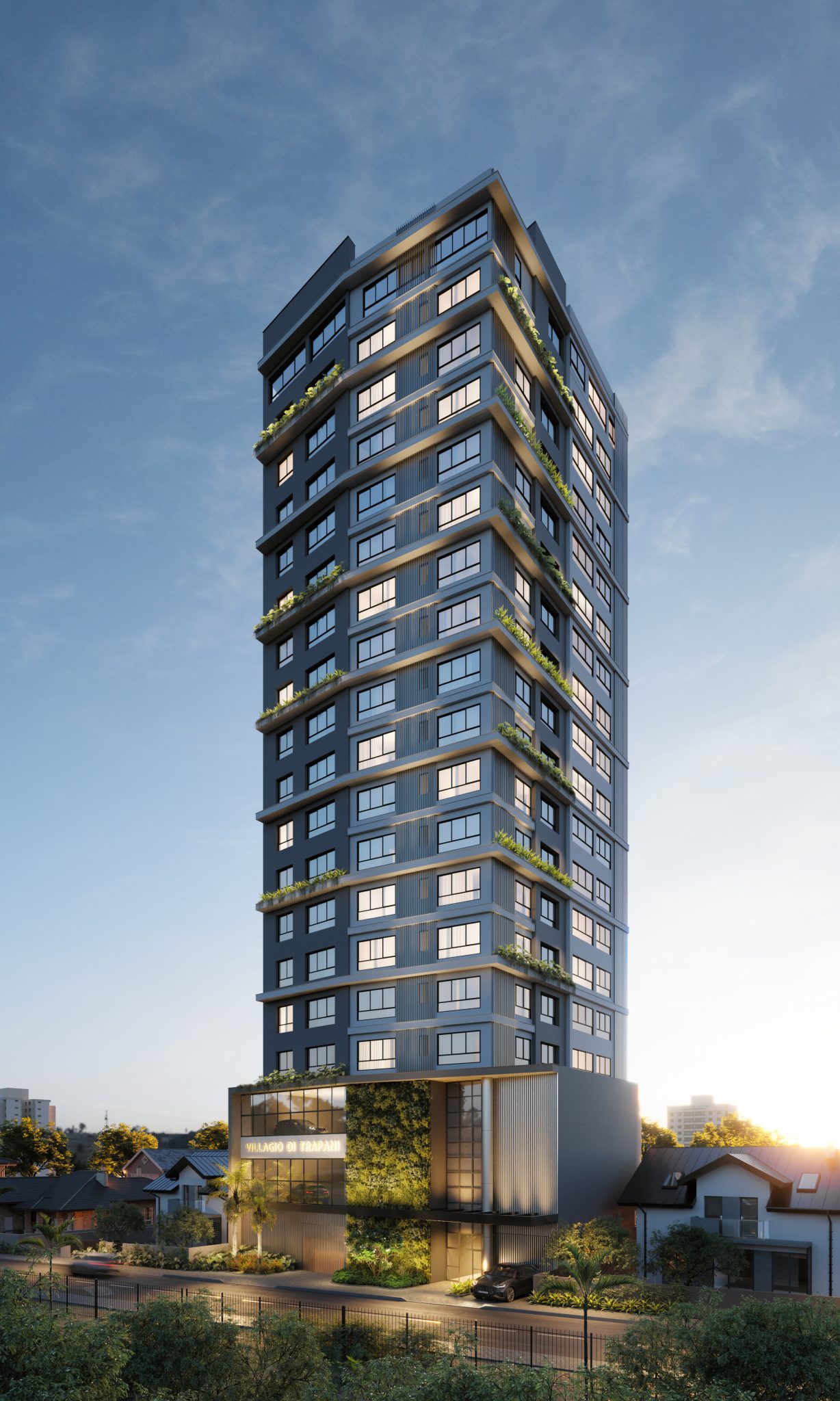
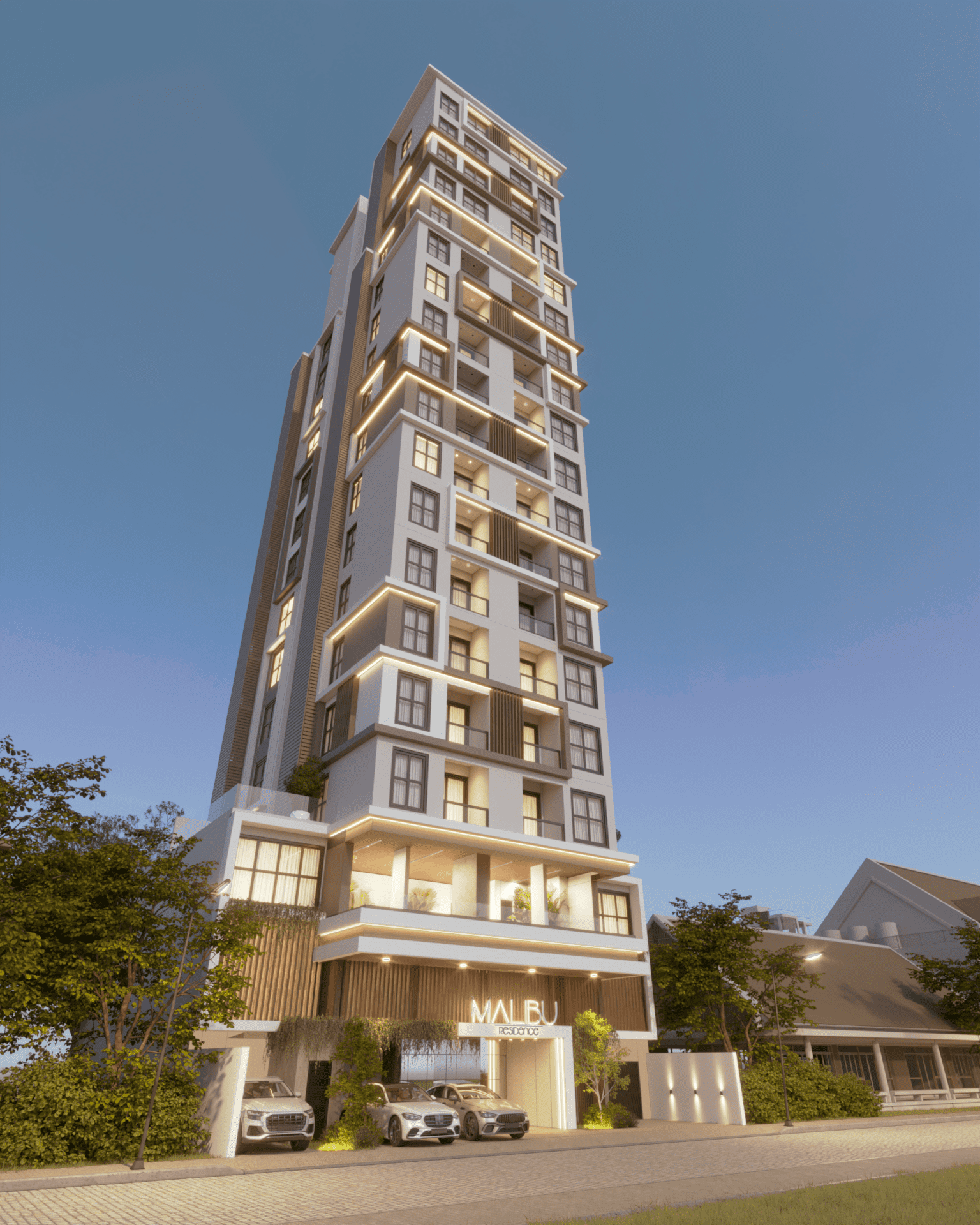
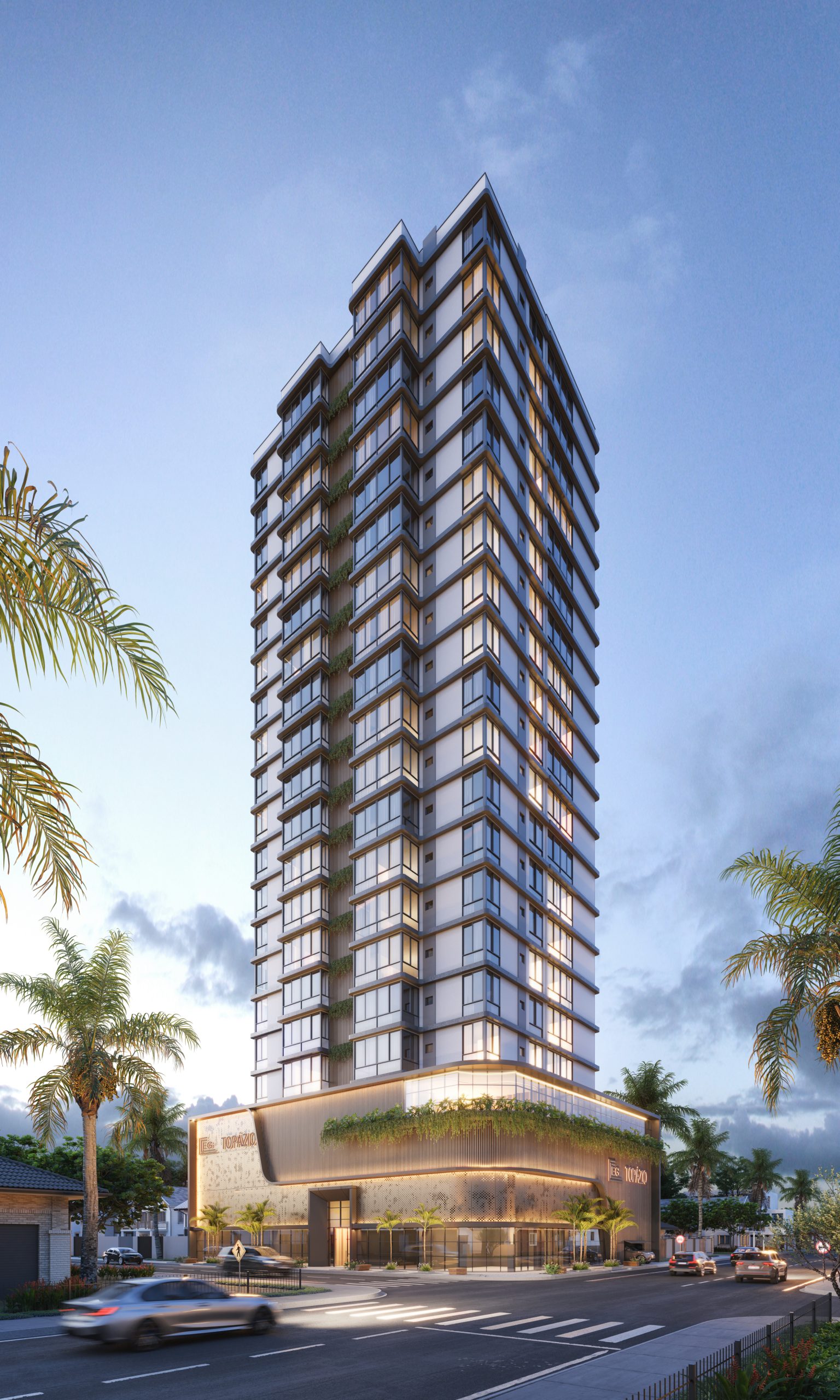
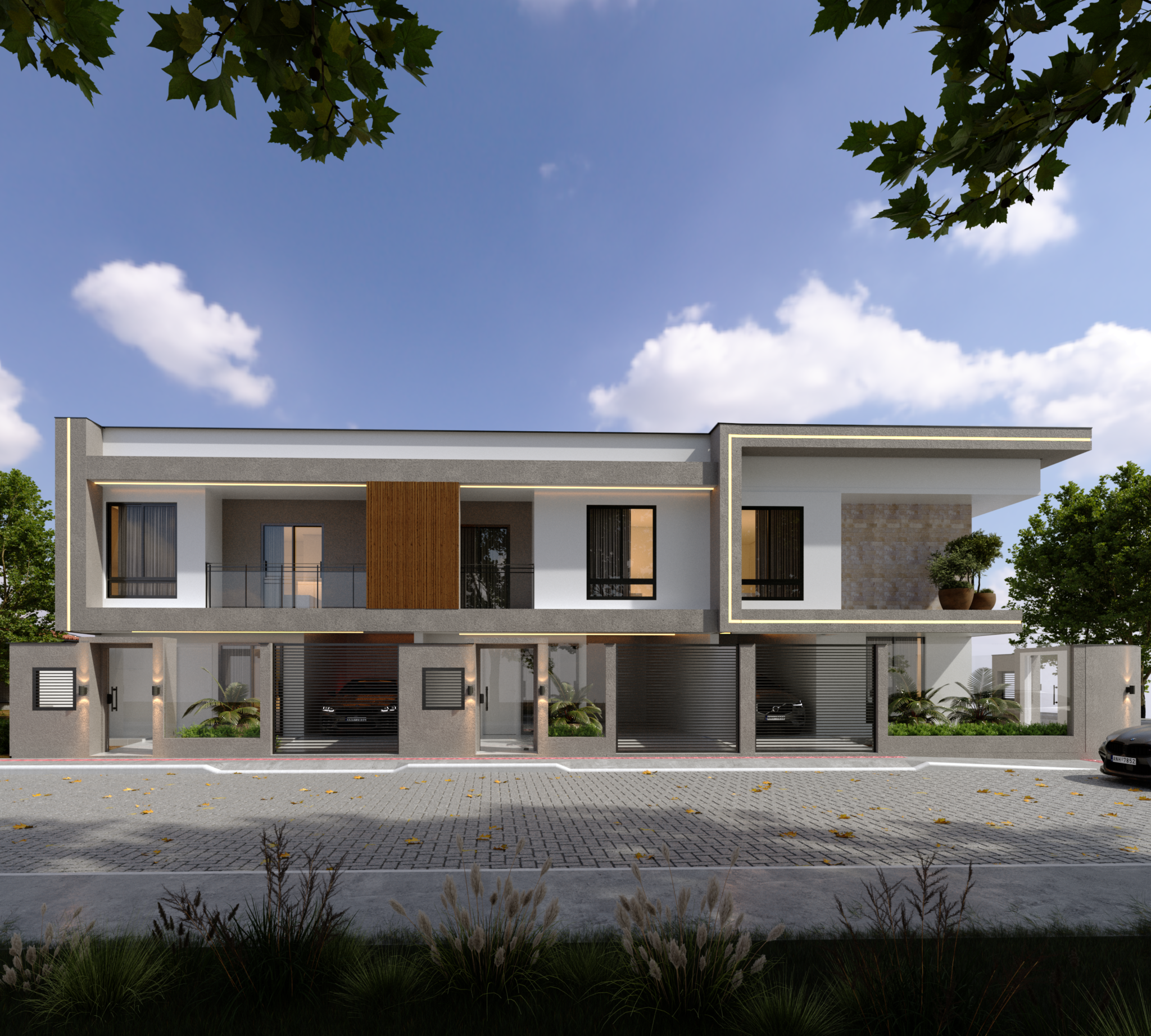
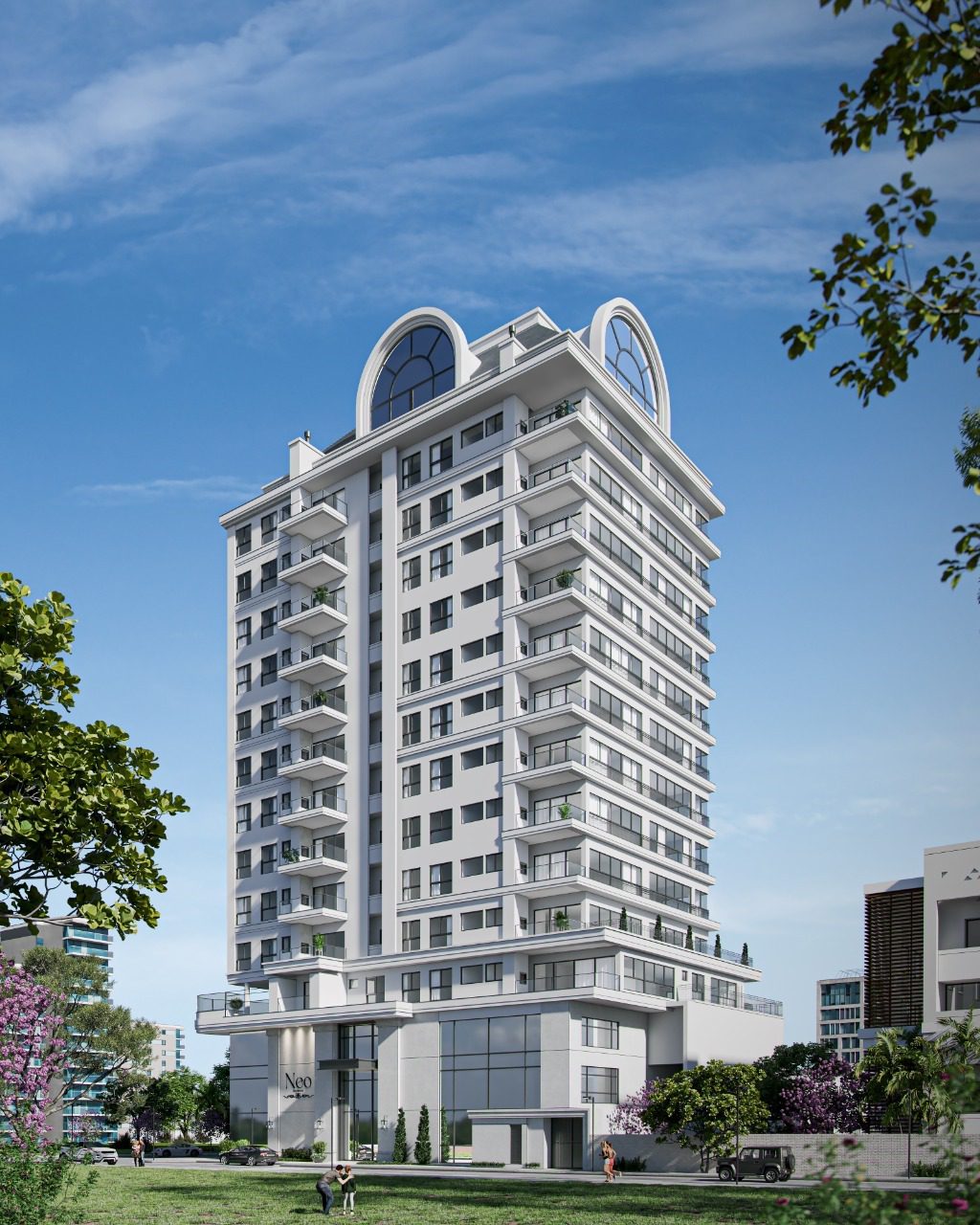
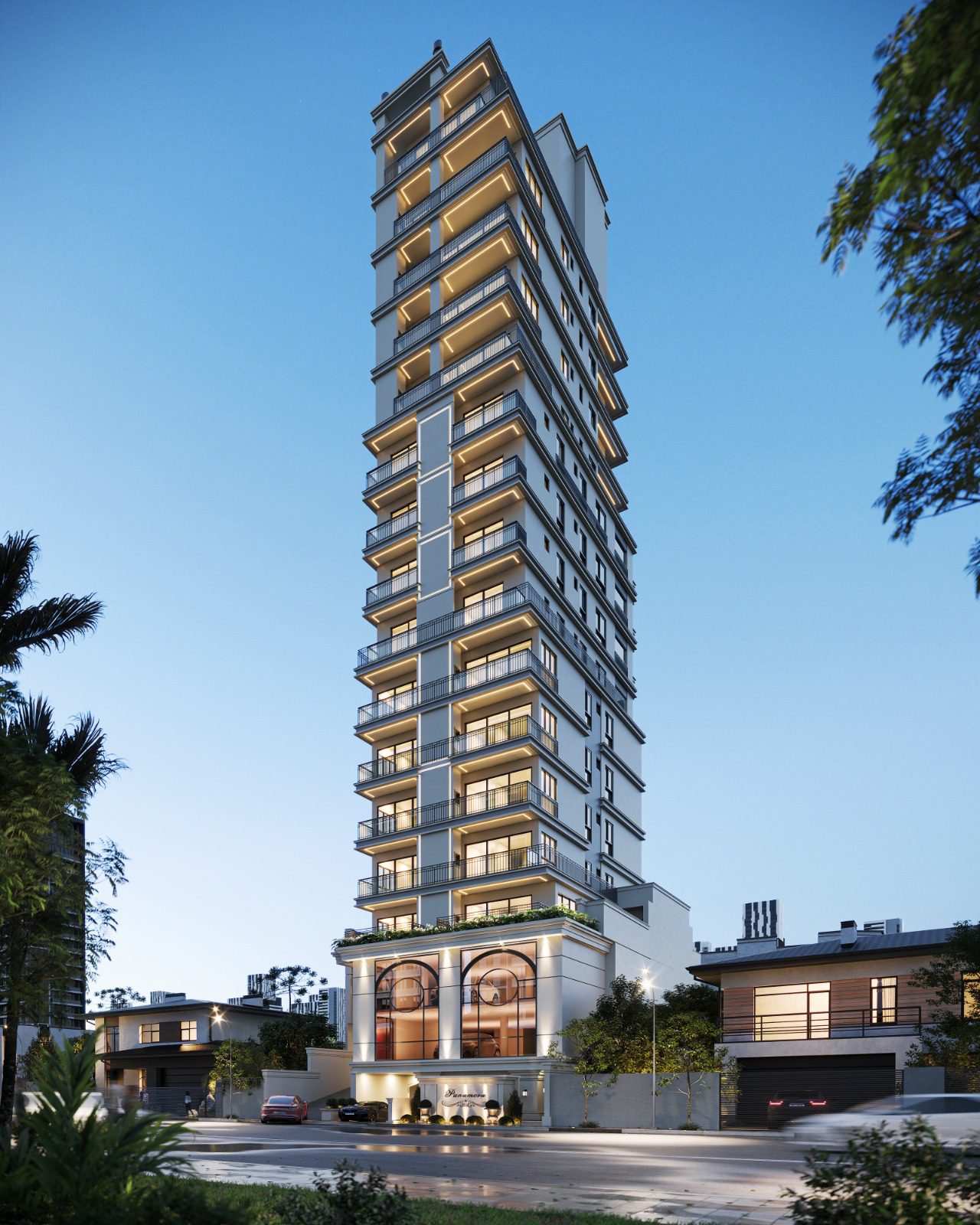
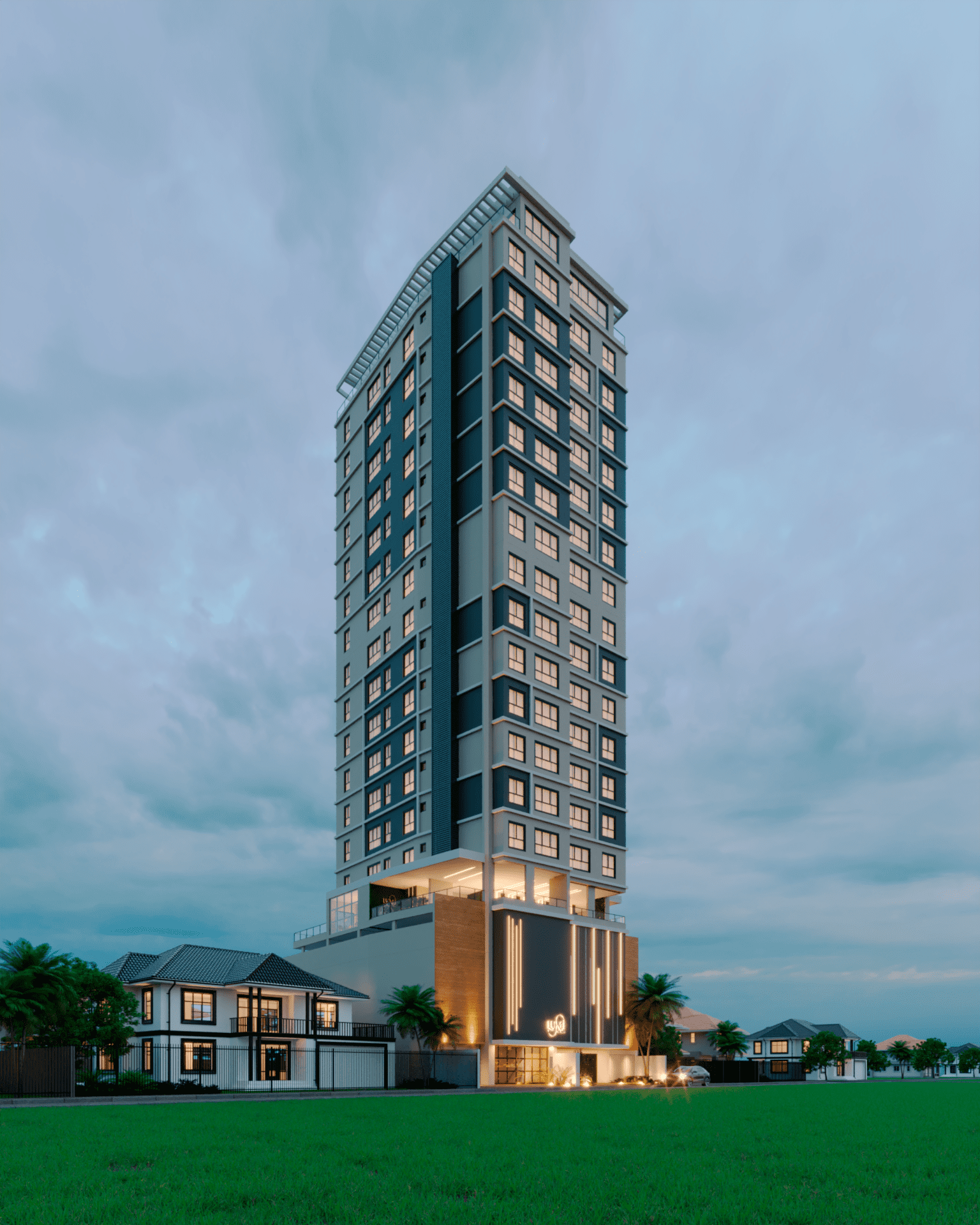
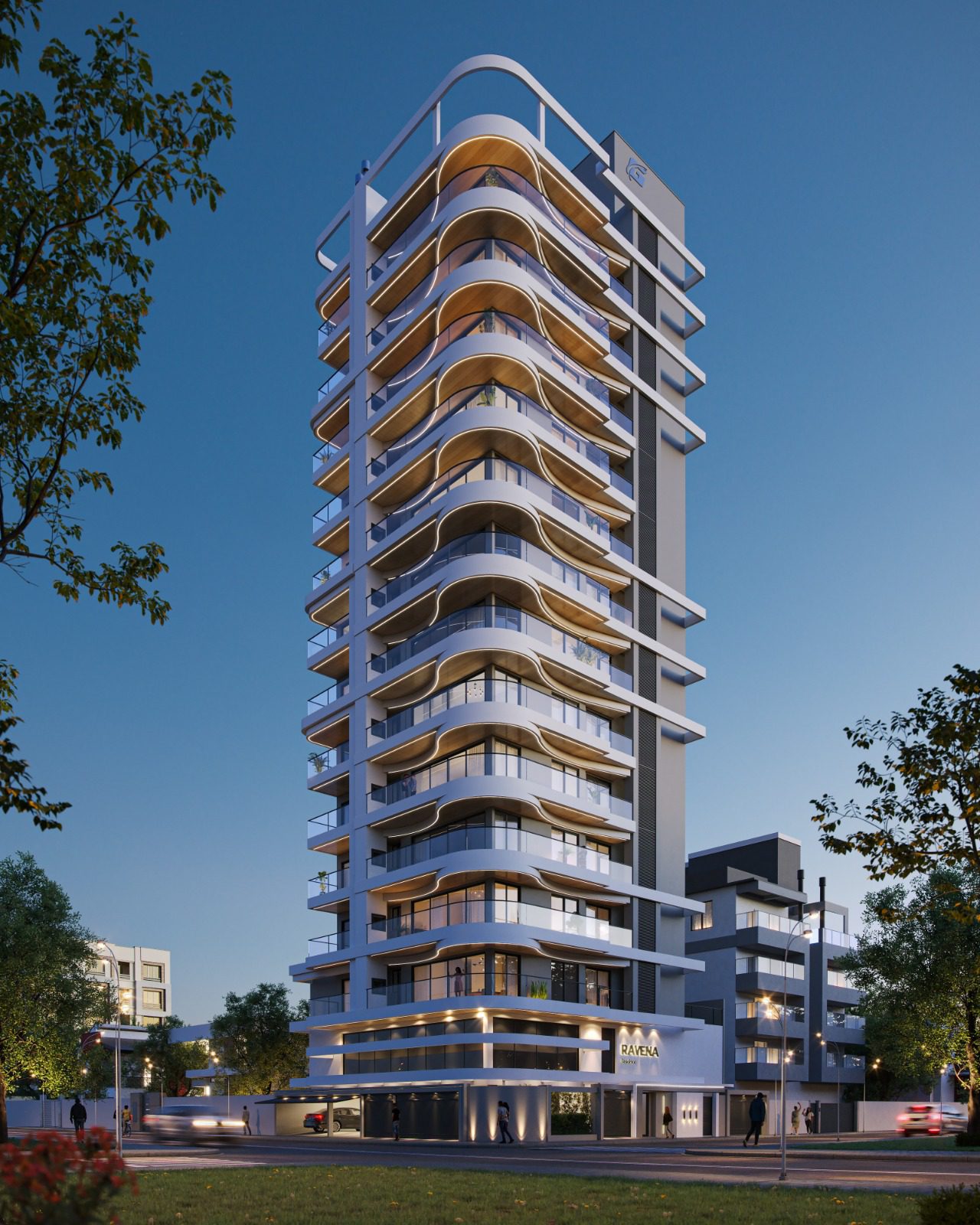
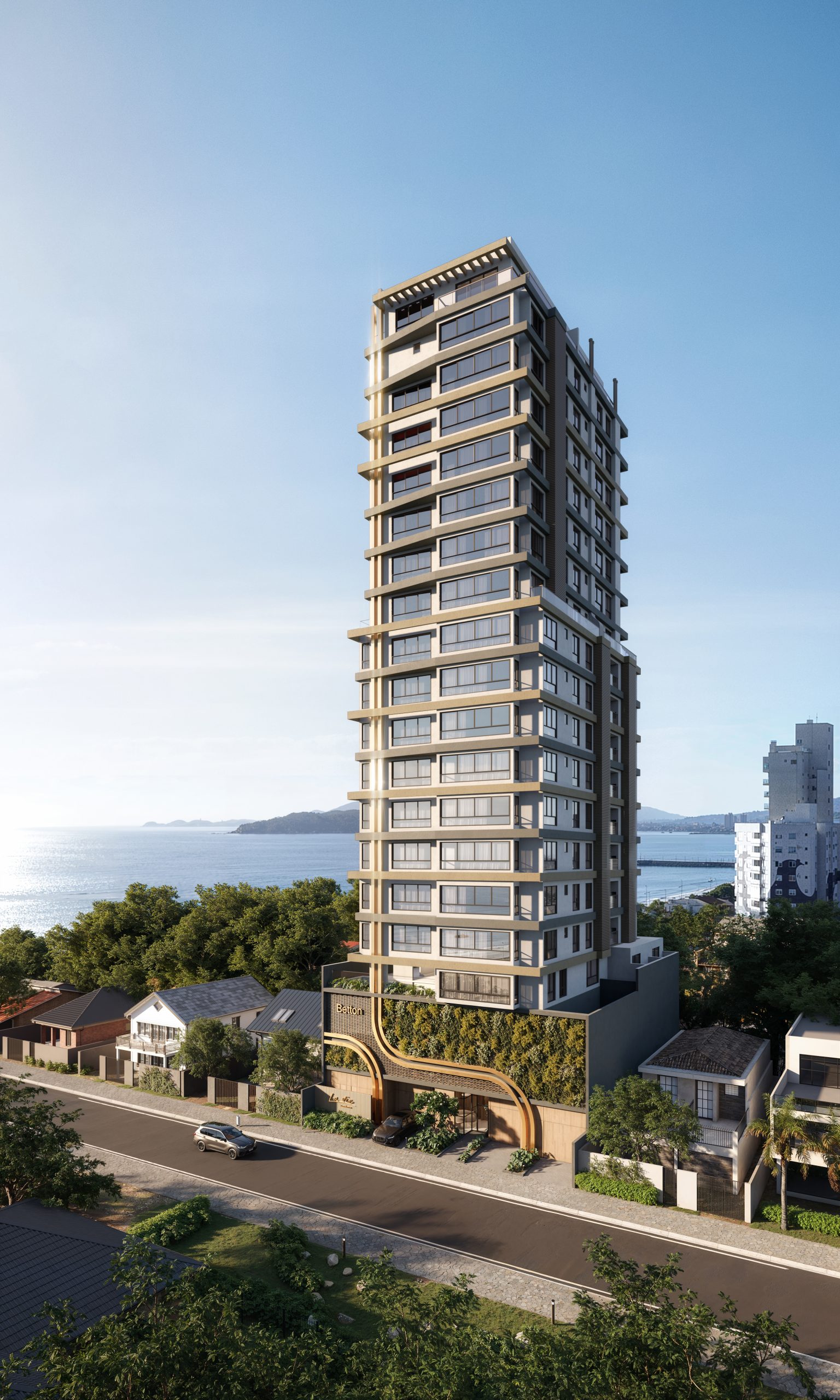
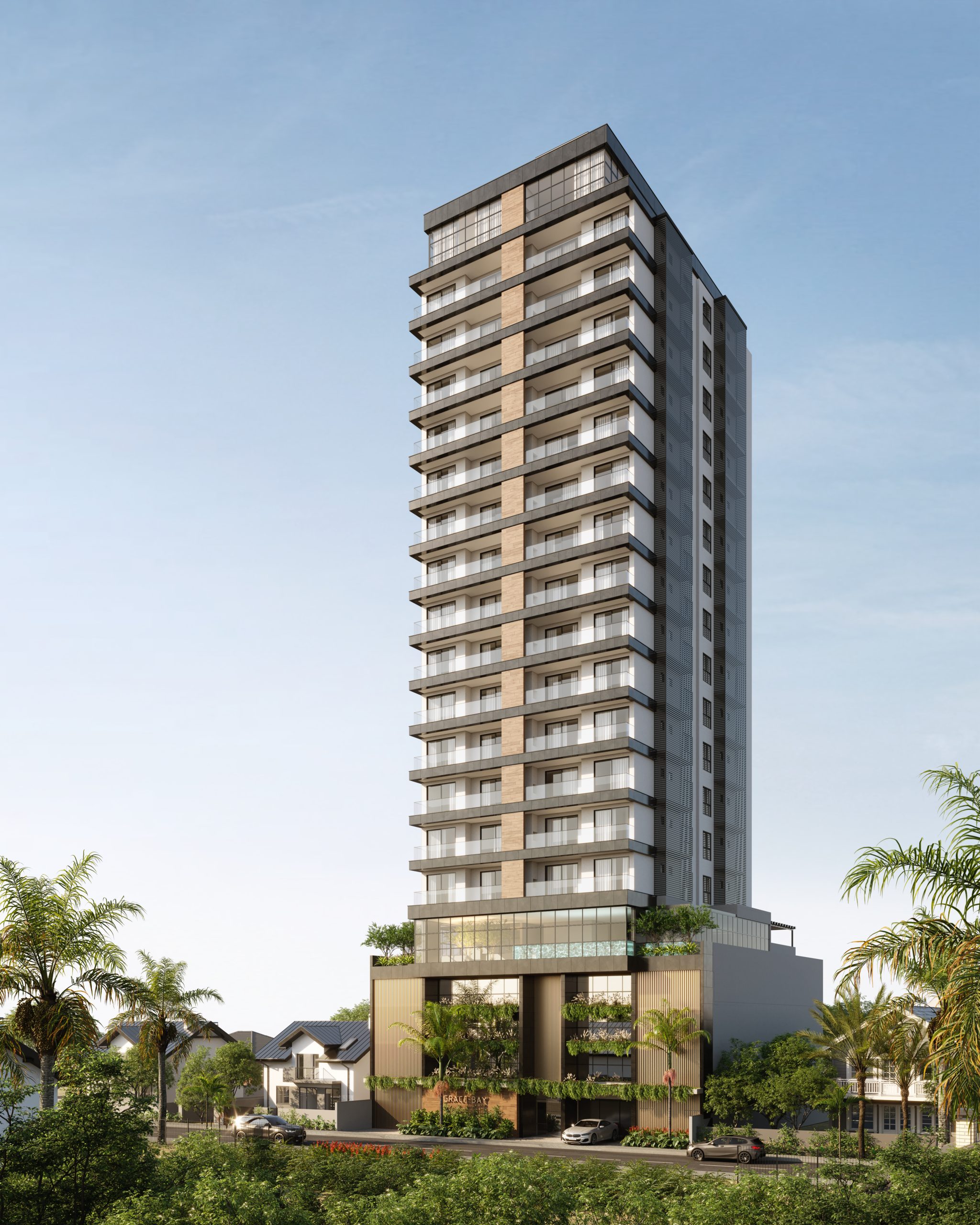
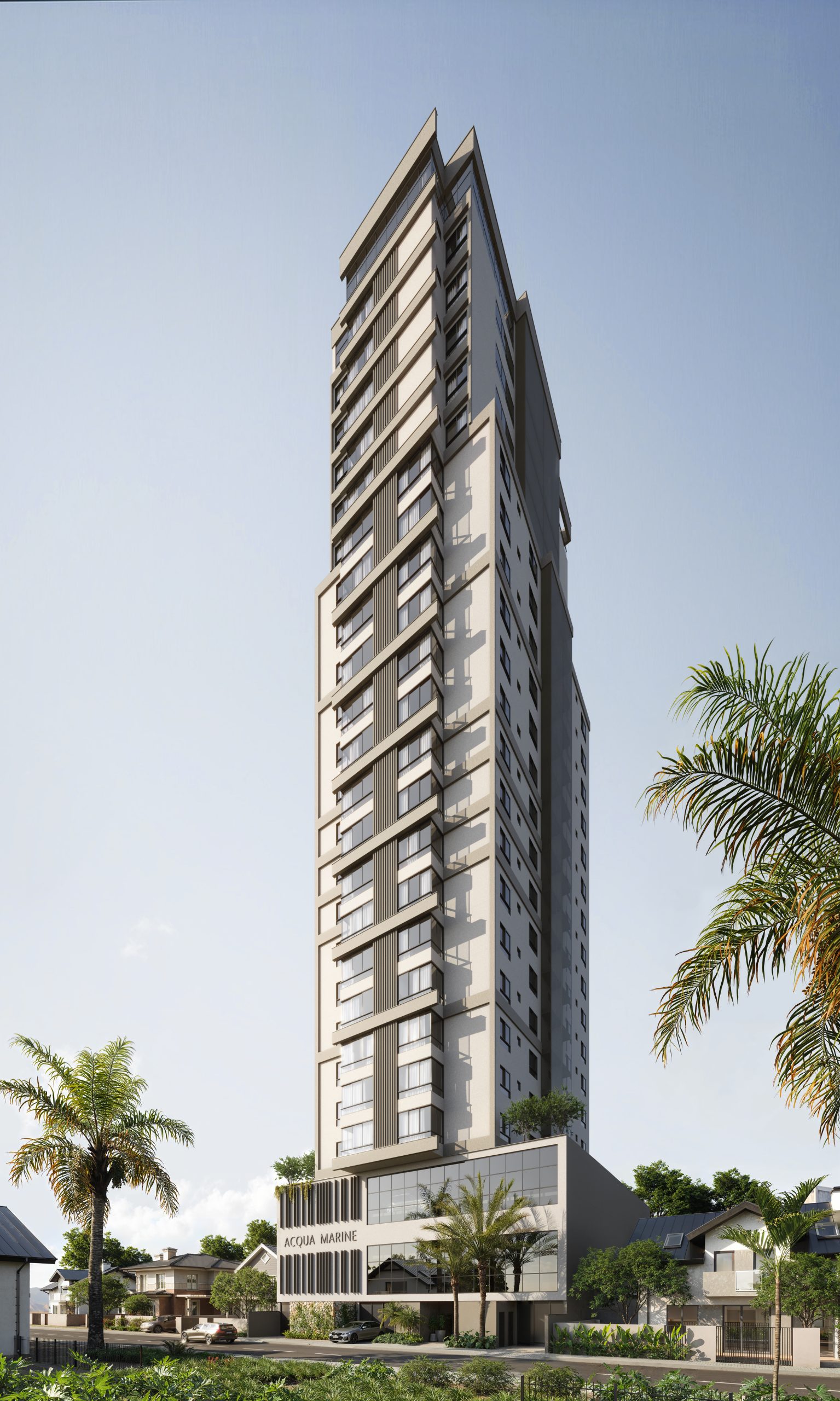
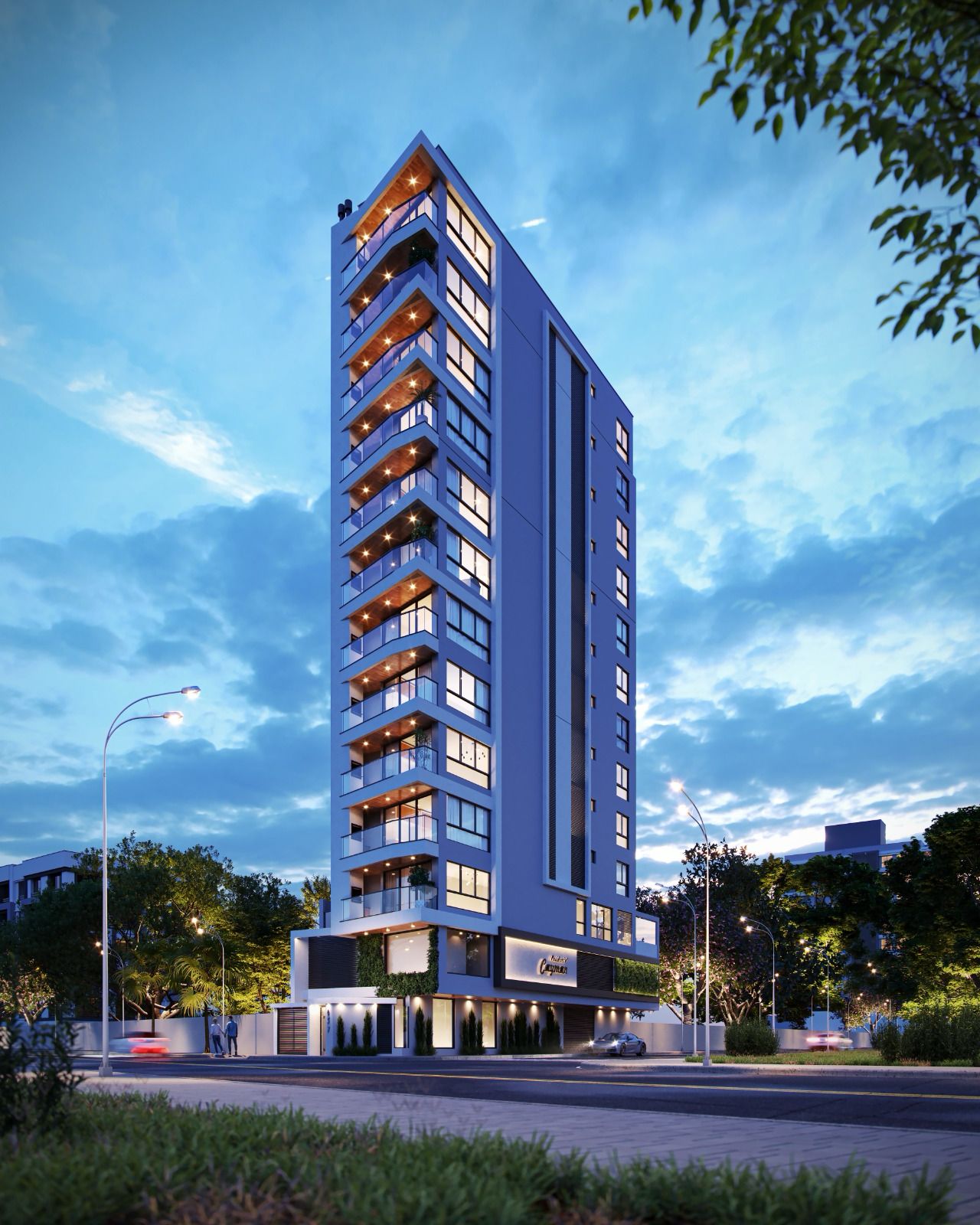
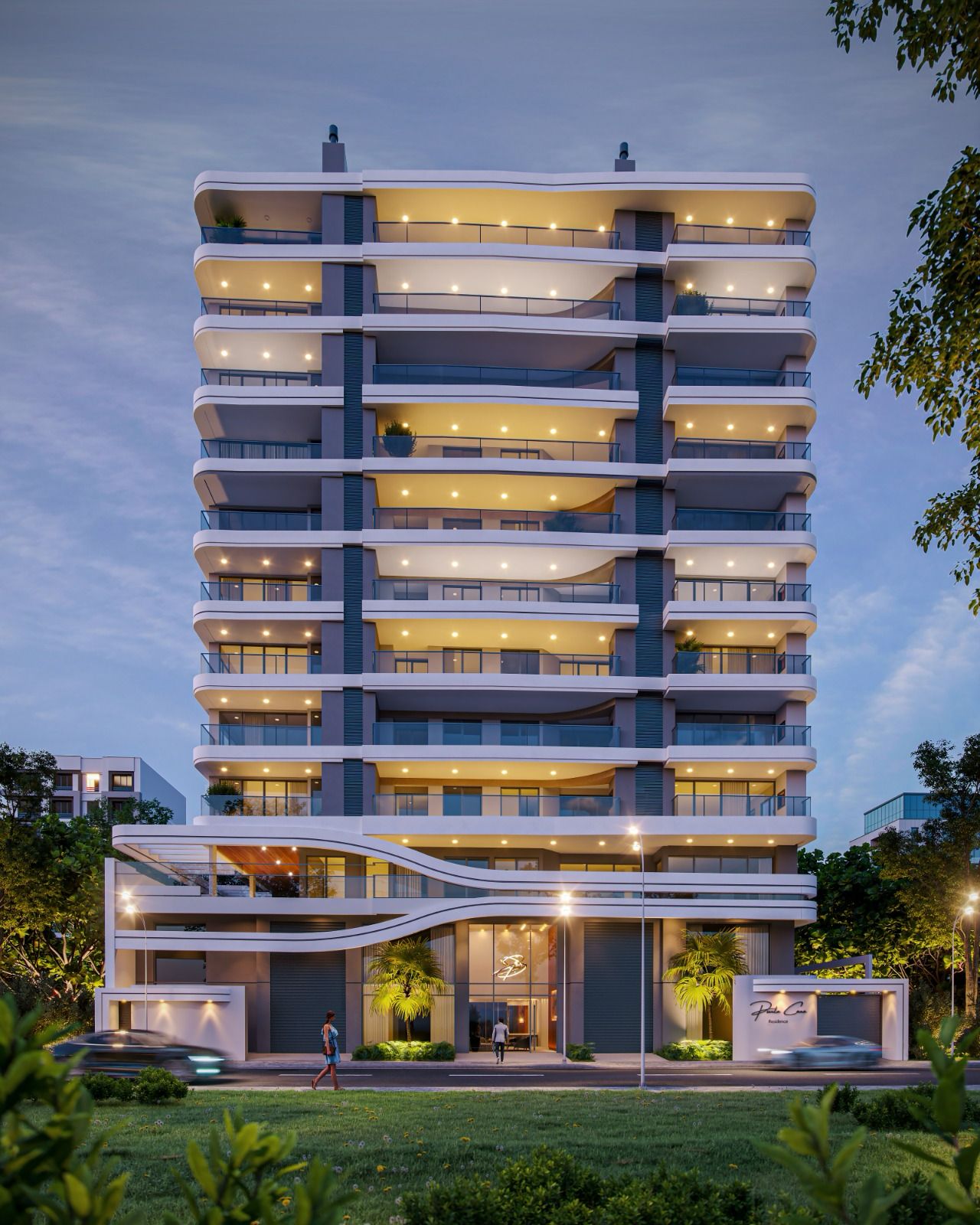
– Civil construction: residential, commercial, industrial, tourist, public or mixed-use buildings that may alter land use and occupation, rainwater runoff, solid and liquid waste generation, noise and vibration emissions, among other impacts.
– Urban infrastructure: basic sanitation works, drainage, paving, public lighting, public transport, urban mobility, among others, which can affect the quality of water resources, biodiversity, the urban landscape, public health, among other aspects.
– Tourism: activities related to lodging, food, leisure, recreation, culture and events, which can generate demand for public services, energy and water consumption, generation of solid and liquid waste, emission of noise and polluting gases, alteration of local social and economic dynamics, among other effects.
– Industry: activities related to the transformation of raw materials into finished or semi-finished products, which may consume non-renewable or scarce natural resources, and generate hazardous or contaminating solid and liquid waste.,
to emit polluting gases or gases that cause the greenhouse effect, to alter the quality of air, soil and water, among other impacts.
These are just a few examples of sectors that may be subject to environmental analysis in the cities mentioned. Each case must be evaluated specifically and individually, considering the characteristics of the project or activity, the location of its implementation, and the affected environment.
We hope this text has clarified what environmental impact assessment (LAP LAI) is, how civil engineers participate in it, and what the relevant segments are for the cities of Barra Velha, Balneário Piçarras, and Penha. If you enjoyed this content, please share it with your friends and colleagues on social media. If you have any questions or suggestions, leave your comment below. Thank you for reading, and until next time!