





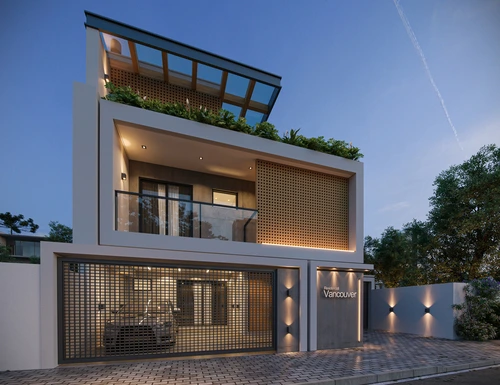
Sustainability is an increasingly important concept in architecture, as it involves not only the preservation of the environment but also the quality of life of the people who inhabit the designed spaces. In this sense, the choice of materials used in construction and finishing is fundamental to ensuring a sustainable project that minimizes environmental and social impacts and is durable, functional, and aesthetically pleasing.
But how do you choose the most suitable sustainable materials for each project? What criteria should be considered? What are the advantages and disadvantages of each option? These are some of the questions we will answer in this text, which aims to guide architects and clients in defining sustainable materials for their projects.
What are sustainable materials?
First of all, it is necessary to understand what sustainable materials are and what their characteristics are. According to the Brazilian Council for Sustainable Construction (CBCS), sustainable materials are those that:
– They exhibit low energy and natural resource consumption in their production, transportation, and installation;
– They have low emissions of greenhouse gases and pollutants in their manufacture and use;
– They are recyclable, reusable, or biodegradable at the end of their useful life;
– They do not contain substances that are toxic or harmful to human health and the environment;
– They offer thermal, acoustic, visual, and ergonomic comfort to users;
– They possess technical, aesthetic, and functional quality compatible with the project.
Furthermore, it is important to consider the life cycle of materials, that is, all stages from raw material extraction to final disposal. This allows for the evaluation of the environmental performance of materials at each stage and the selection of those with the least impact.
What are the criteria for choosing sustainable materials?
The choice of sustainable materials depends on several factors, such as the type of project, the location of the work, the available budget, technical standards, the preferences of the client and the architect, among others. However, there are some general criteria that can help in this decision. These are:
– Origin: prefer local or regional materials, which reduce energy consumption and pollutant emissions during transport. Additionally, check if the materials have environmental or social certification, which attests to the legal and responsible origin of the raw materials.
– Durability: opt for materials that have a long lifespan and require little maintenance or repair. This avoids wasting resources and generating waste.
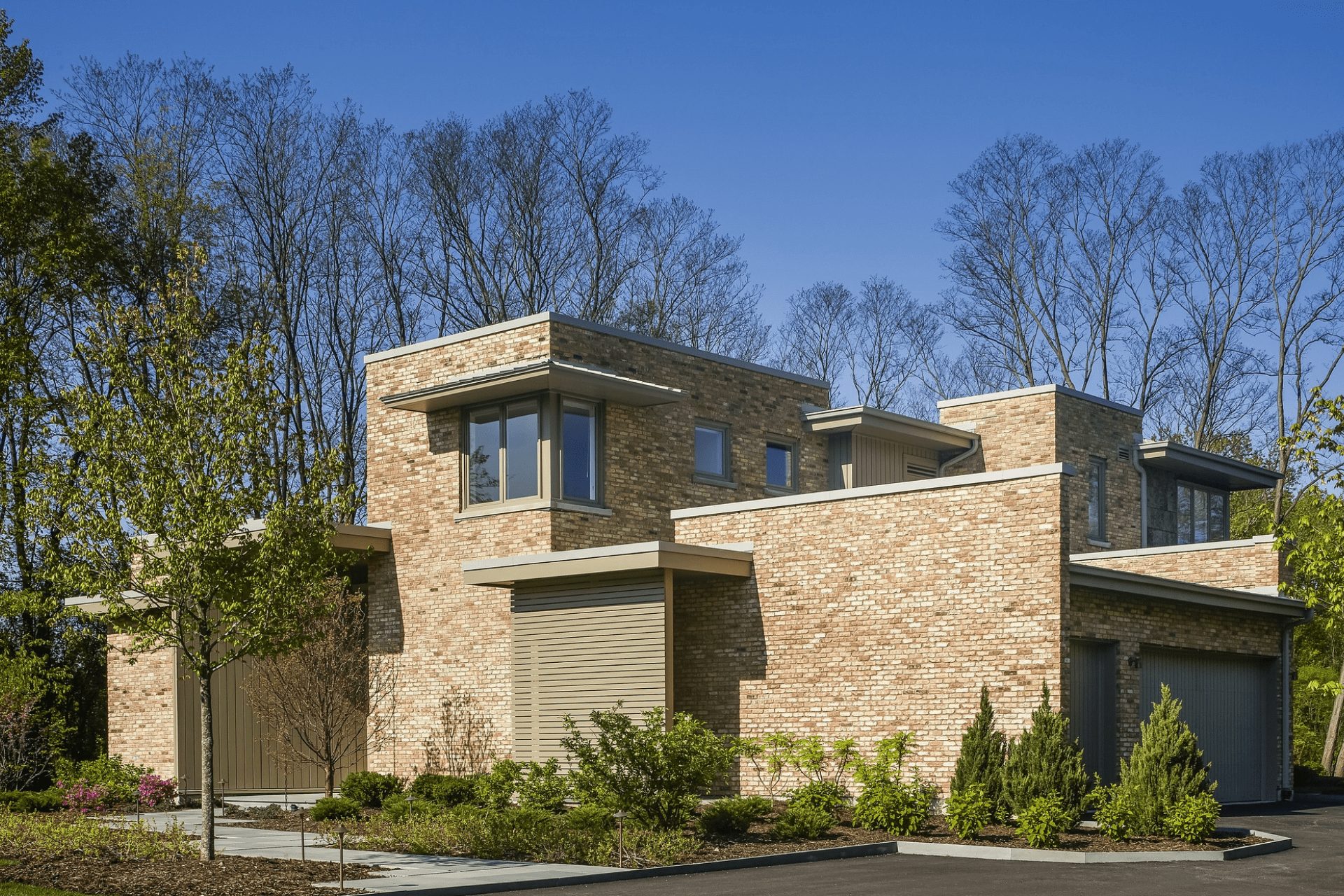
– Reuse: prioritize materials that can be reused in other projects or for other purposes. For example, reclaimed wood, old bricks, recycled roof tiles, etc.
– Recycling: choosing materials that are recyclable or that contain recycled material in their composition. For example, recycled plastic, recycled paper, recycled glass, etc.
– Biodegradability: selecting materials that are biodegradable or compostable at the end of their useful life. For example, bamboo, straw, organic cotton, etc.
– Toxicity: avoid materials containing substances that are toxic or harmful to human health and the environment. For example, paints with volatile organic solvents (VOCs), glues with formaldehyde, insulators with asbestos, etc.
What are some examples of sustainable materials?
There are various types of sustainable materials available on the market that can be used in different parts of an architectural project. Below are some examples:
– Certified wood: This is wood that comes from sustainably managed forests, respecting environmental, social, and economic aspects. Certified wood has the seal of the Forest Stewardship Council (FSC) or the Brazilian Forest Certification Program (Cerflor), which guarantees its legal and responsible origin. Certified wood can be used in structures, joinery, flooring, ceilings, furniture, etc.
– Bamboo: It is a fast-growing and easy-to-cultivate plant that does not require the use of pesticides or fertilizers. Bamboo has high mechanical resistance and flexibility, and can replace wood in various applications. Bamboo can be used in structures, roofs, floors, ceilings, furniture, etc.
– Ecological brick: This type of brick is manufactured without firing, which reduces energy consumption and pollutant emissions. It is made from a mixture of soil, cement, and water, which is pressed into molds. It has interlocking parts that facilitate assembly and eliminate the need for mortar. It can be used in structural or non-structural masonry.
– Eco-friendly roofing tile: This type of tile uses recycled materials in its composition, such as plastic, paper, glass, etc. Eco-friendly tiles are lightweight, highly durable, and weather-resistant. Eco-friendly tiles can be used on roofs of various types of buildings.
– Natural paint: This type of paint uses natural or organic pigments in its formulation, such as earth, clay, plants, etc. Natural paint does not contain volatile organic solvents (VOCs) or other substances that are toxic or harmful to human health and the environment. Natural paint can be used on interior or exterior walls.
– Natural thermal and acoustic insulation: This type of insulation uses natural or organic materials in its composition, such as sheep's wool, coconut fiber, straw, etc. Natural thermal and acoustic insulation has low thermal conductivity and high sound absorption, providing thermal and acoustic comfort to users. Natural thermal and acoustic insulation can be used in walls, ceilings, floors, etc.
In this text, we present a guide to choosing sustainable materials for architectural projects, addressing the concepts, criteria, and examples of sustainable materials that can be used in different parts of the project.
We remind you that the choice of sustainable materials must take into account the specificities of each project, as well as technical standards and the preferences of the client and the architect. Furthermore, the choice of sustainable materials should be integrated with other sustainability strategies in architecture, such as the rational use of water, energy, and waste.
If you enjoyed this text or have any questions or suggestions about the topic, please leave your comment below. And if you want to learn more about sustainable architecture or hire a sustainable architectural design firm for your project, please contact us.