


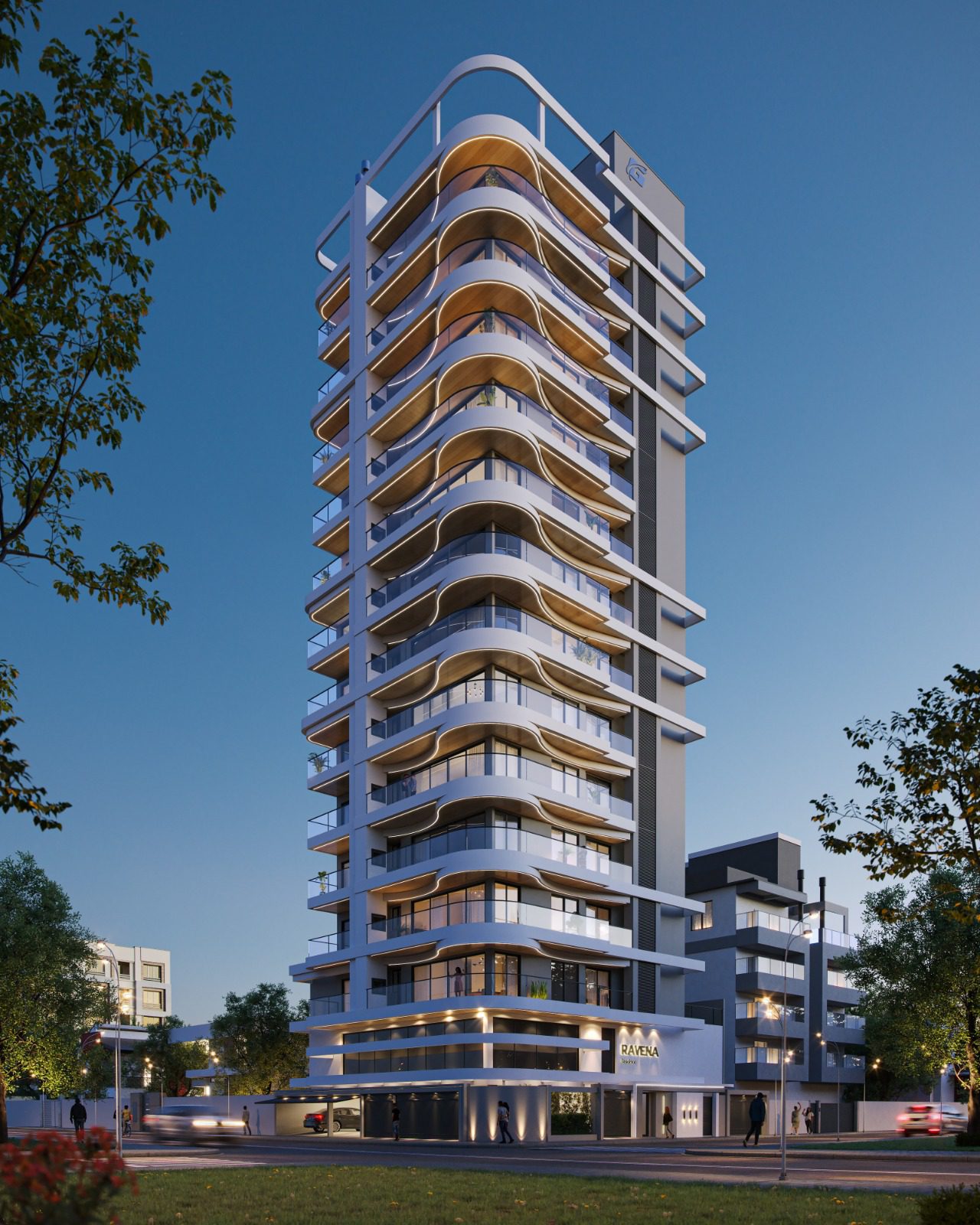
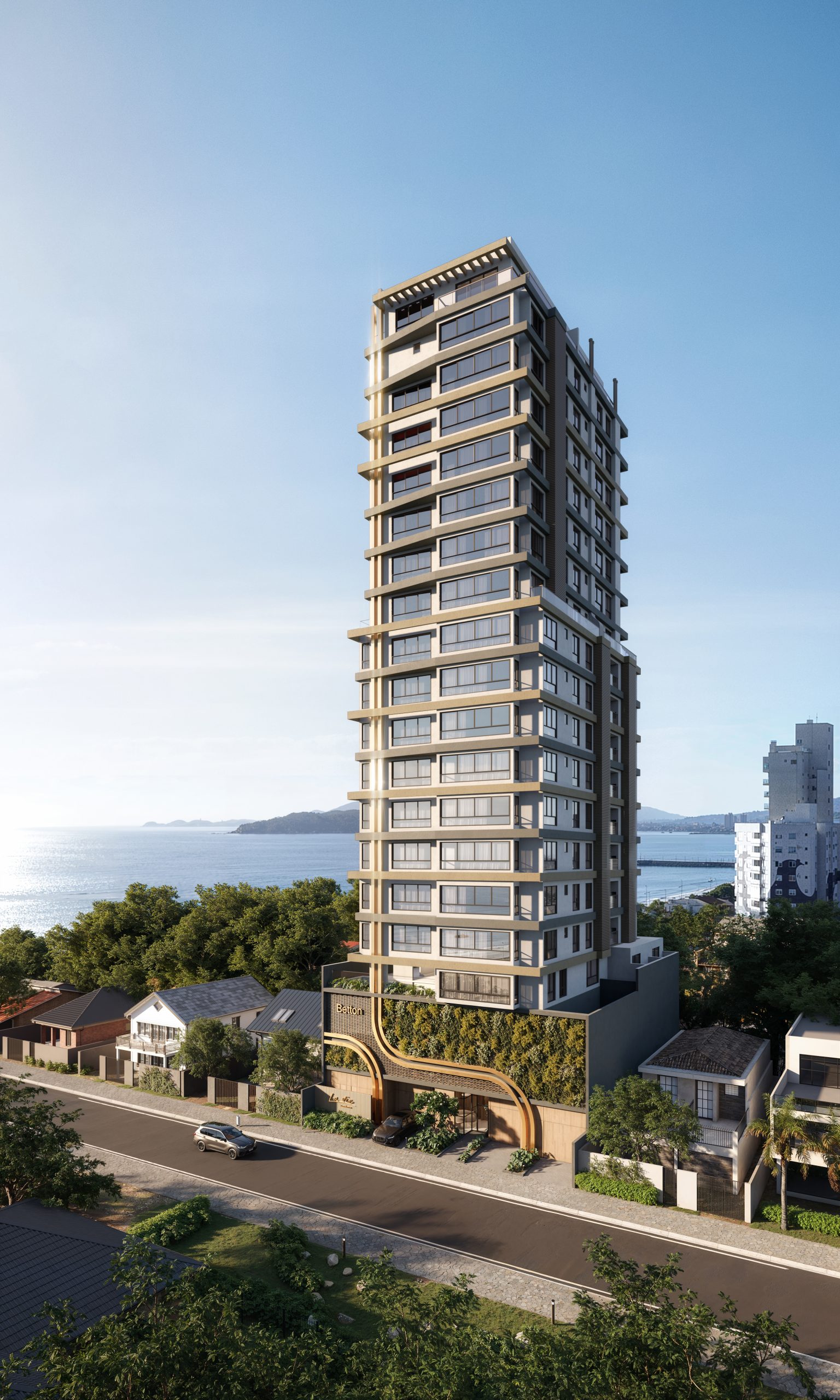
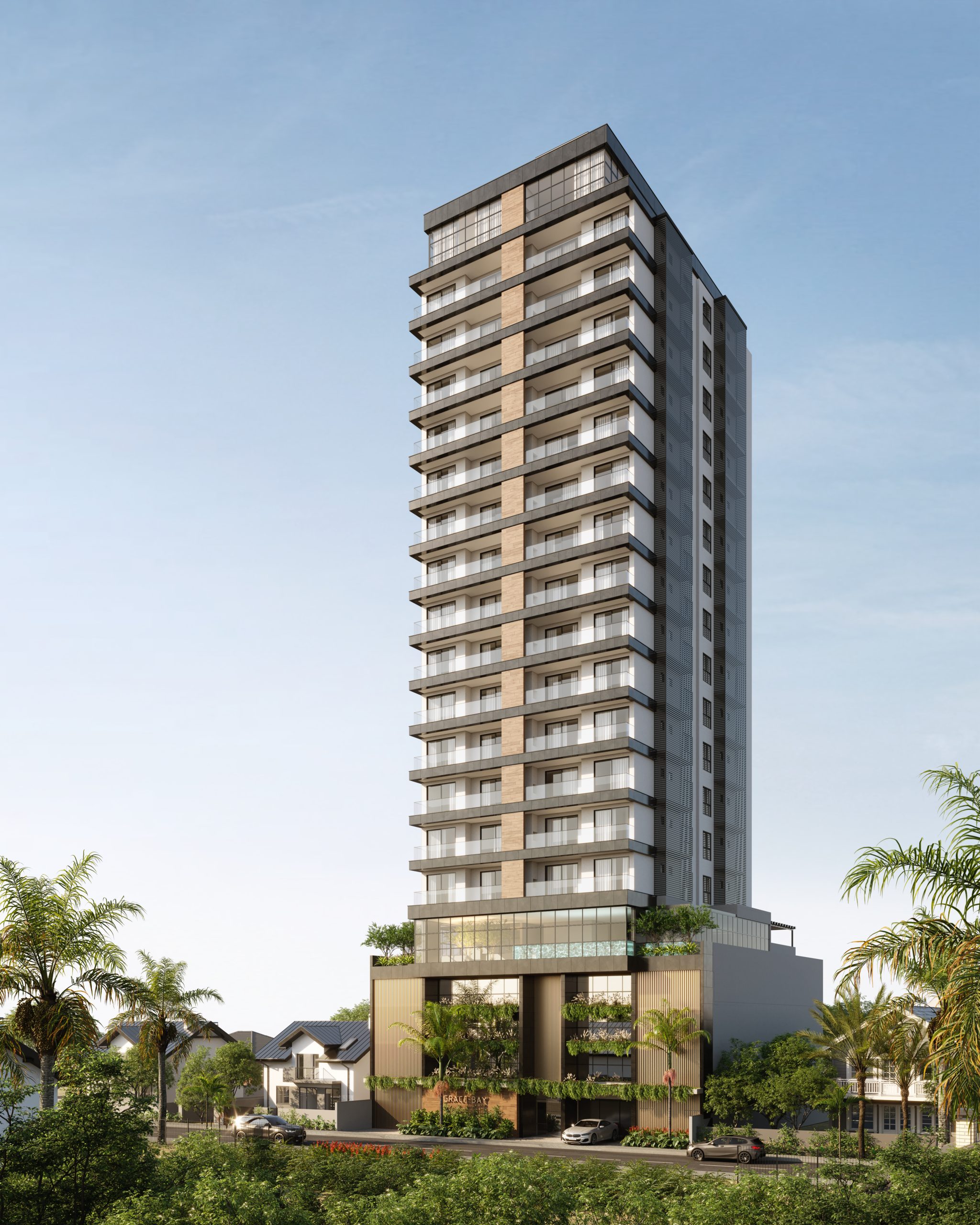
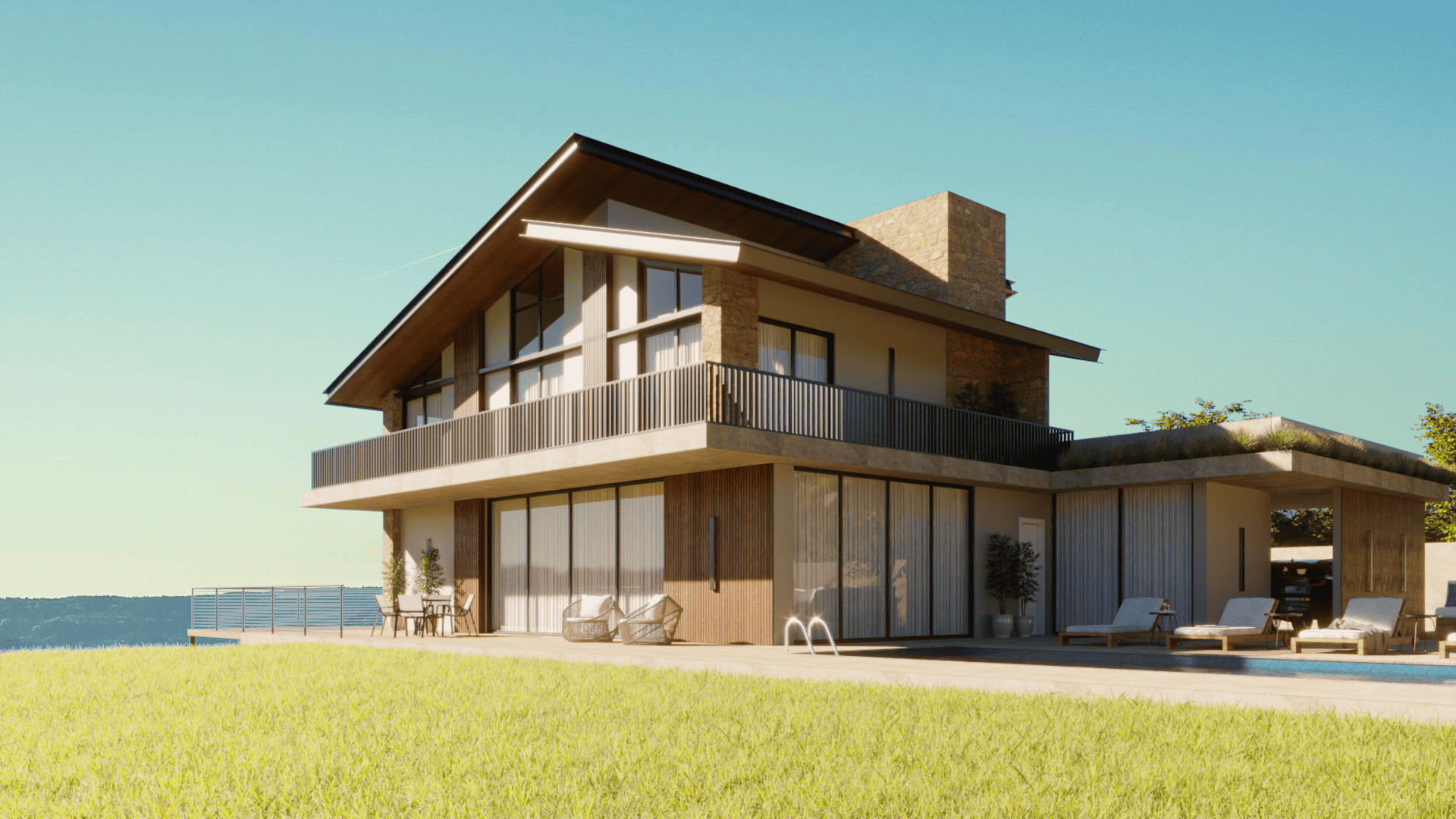
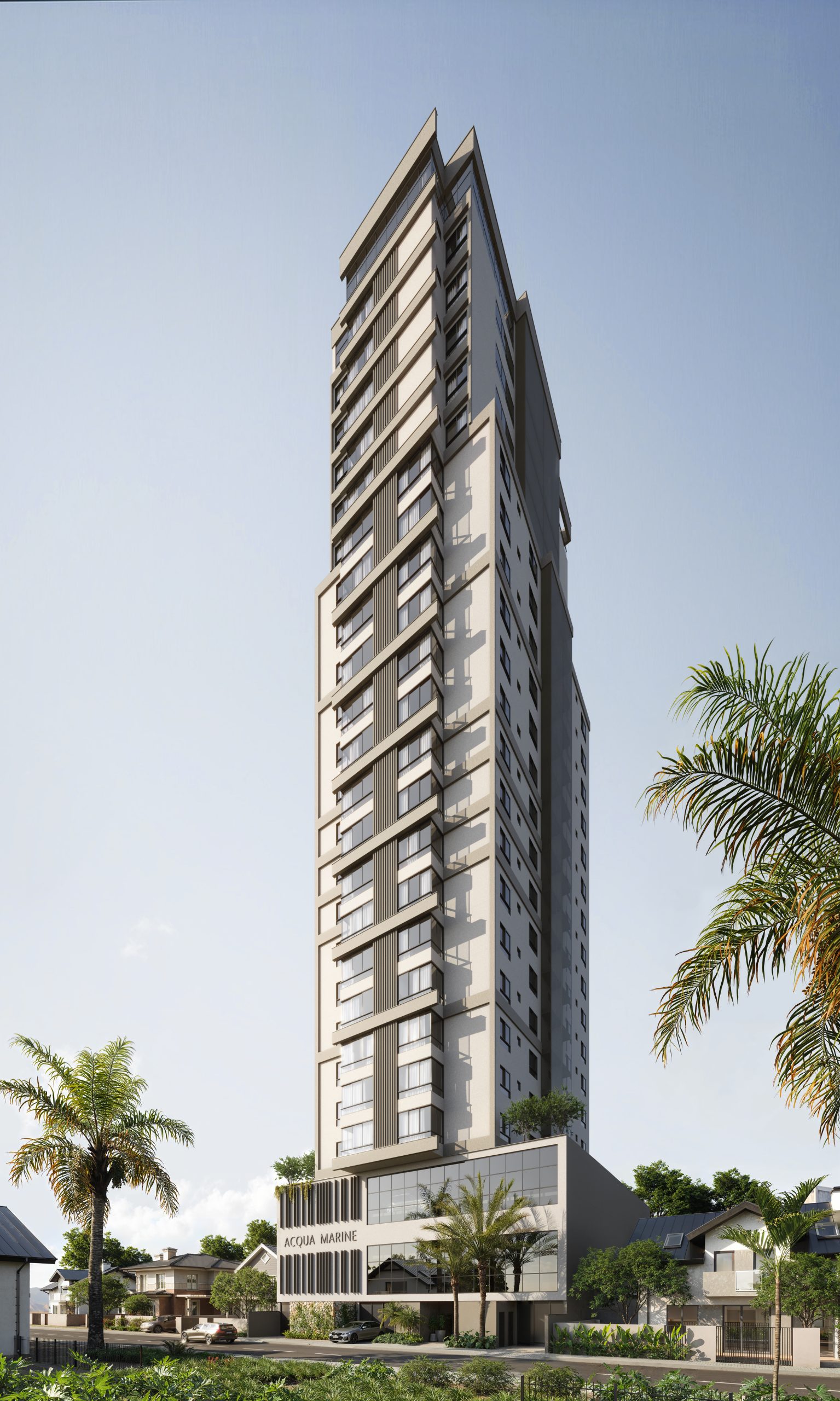
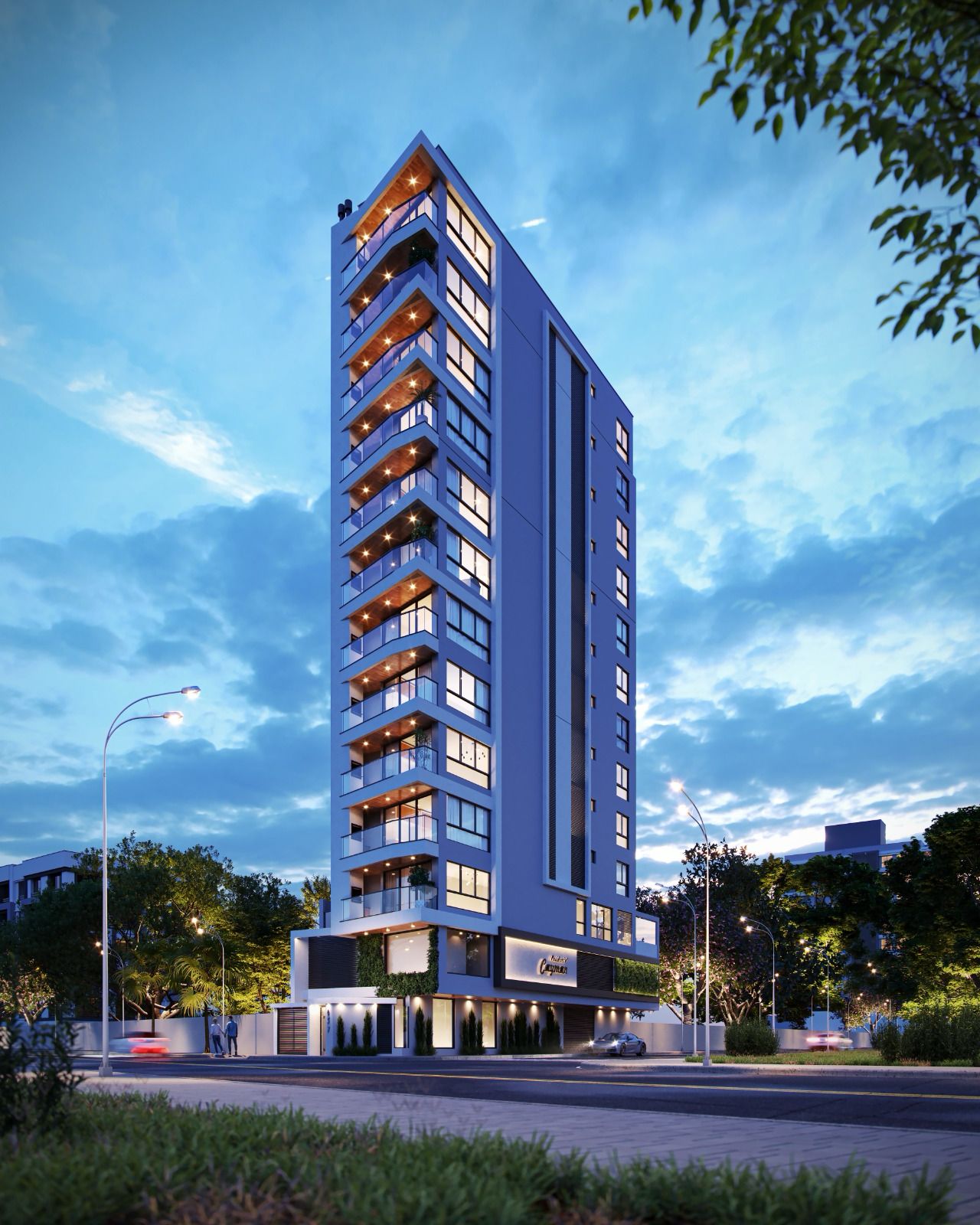
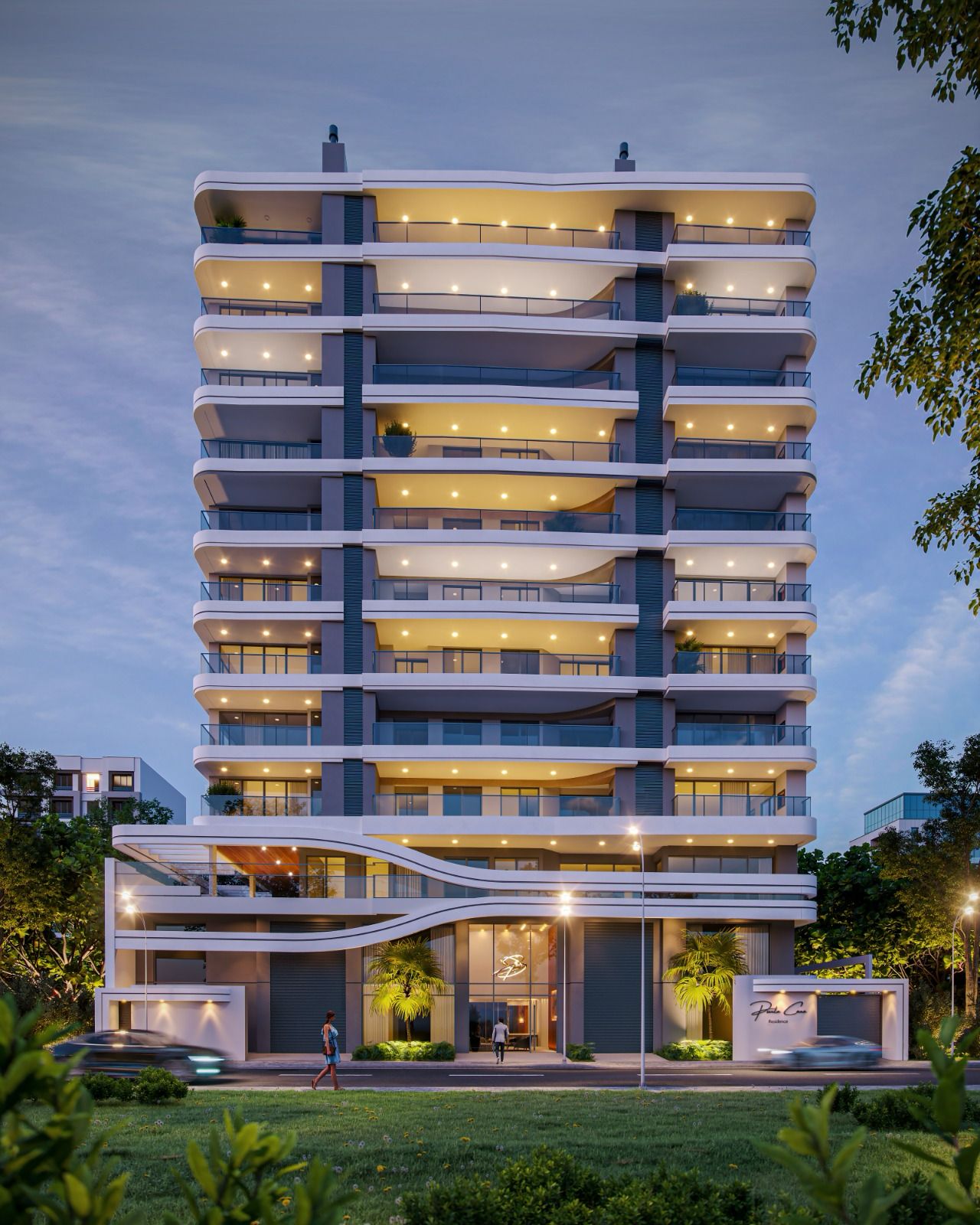
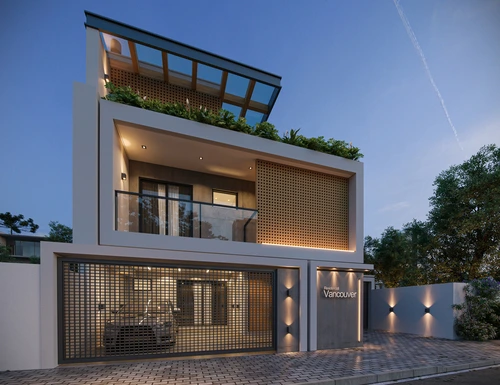
Today, more than 501,300 of the world's population lives in urban areas. This number is expected to grow in the coming decades. This brings both challenges and opportunities for innovation in urban planning and architectural design.
Architecture and urban planning mutually influence each other. They not only complement each other but also improve space and society. Currently, we see a lot of creativity, with new technologies being used in architectural projects.
Today, sustainability is a major focus. Professionals in the field seek projects that are good for the environment and the community. Understanding these issues is crucial for anyone who wants to build more than just buildings.
Introduction to Architecture and Urban Planning
Explore the fundamentals of architecture and the principles of urban planning It shows how these fields affect the beauty and functionality of spaces. history of civil construction It is full of innovations that have shaped society.
Architecture and urban planning are essential for designing better cities. Each building and square has a purpose and a design that improves people's lives. This begins with studies and becomes practice, blending creativity and technical knowledge.
Architecture and urban planning are more than just designing and building. They involve planning and applying principles for well-being and sustainable development. Cities today face growth challenges and need professionals who think about how to create and use spaces.
Important figures in history of civil construction They left marks that influence current projects. Old styles still influence what is modern, showing that... fundamentals of architecture and the principles of urban planning They are timeless and adapt to the needs of each generation.
The Role of the Renowned Architect in Urban Development
In the complex web of urban development, the influence of the architect It goes beyond aesthetics. It is rooted in functionality and sustainability. Renowned architects shape the skyline and drive it forward. innovation in architecture. They define the quality of life in cities.
These professionals use advanced techniques and new materials. This allows them to balance beauty, efficiency, and respect for the environment. The ability to transform concrete into comfort and spaces into experiences demonstrates the architect's influence. It impacts society and how it interacts with spaces.
Innovation in architecture and urban planning trends They reflect the skill and commitment of these professionals. They strive for sustainability and inclusion. The architect is a key agent in urban development, bringing about smarter and more inclusive cities.
The dialogue between urban planning trends And the local reality is crucial. Viewing these projects as part of an urban ecosystem highlights the importance of the architect. They are fundamental in the contemporary urban planning landscape.
Architecture
The richness and diversity of architectural styles They showcase the historical evolution and innovations in architecture. Each style has its own identity and philosophy, shaping the space and functionality of cities.
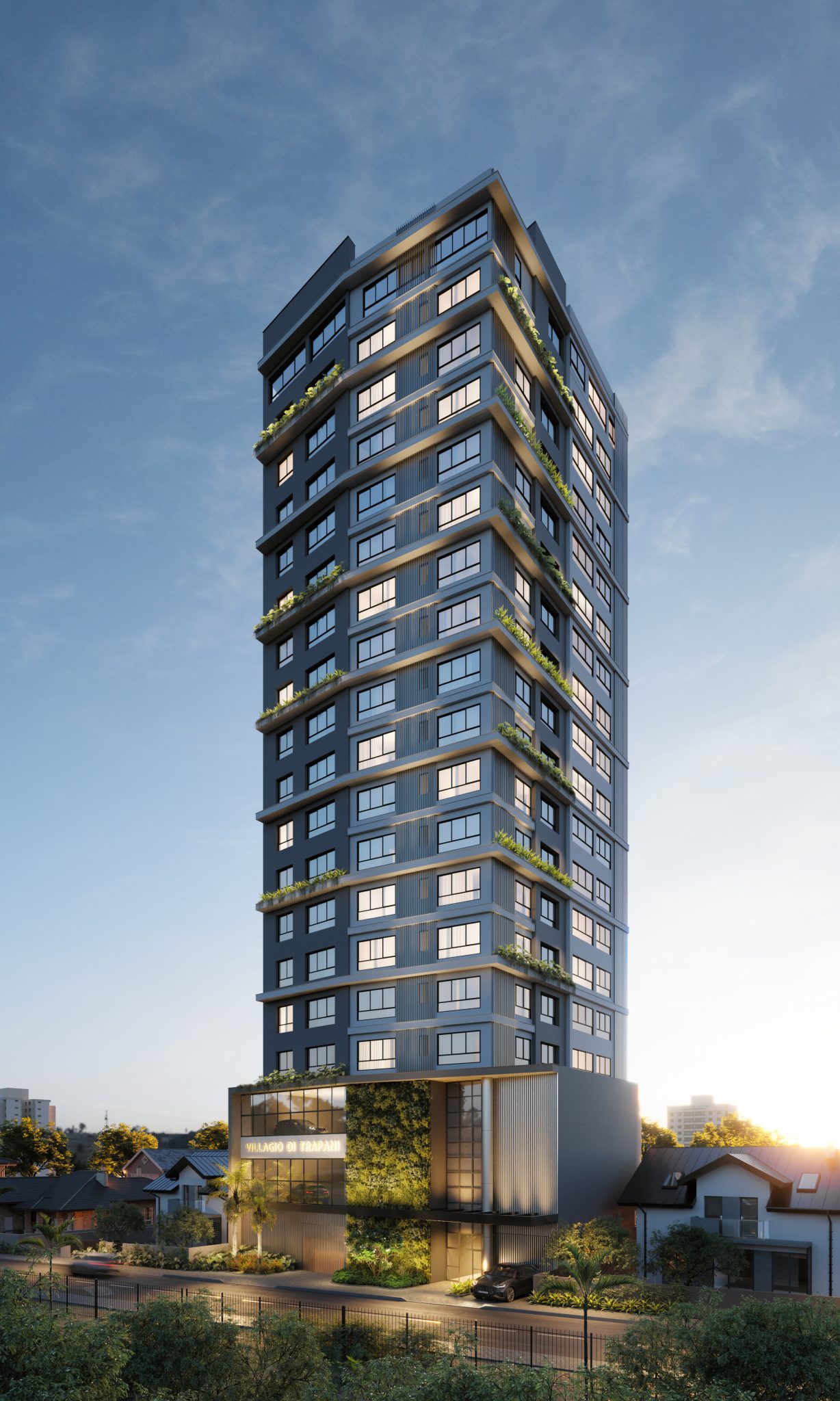
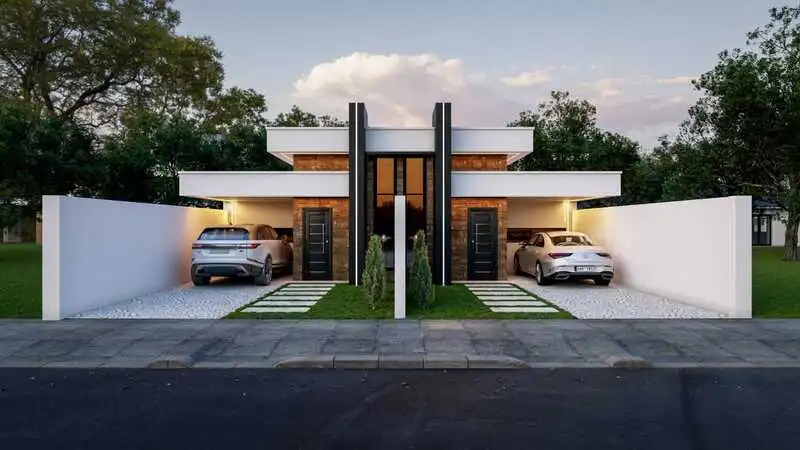
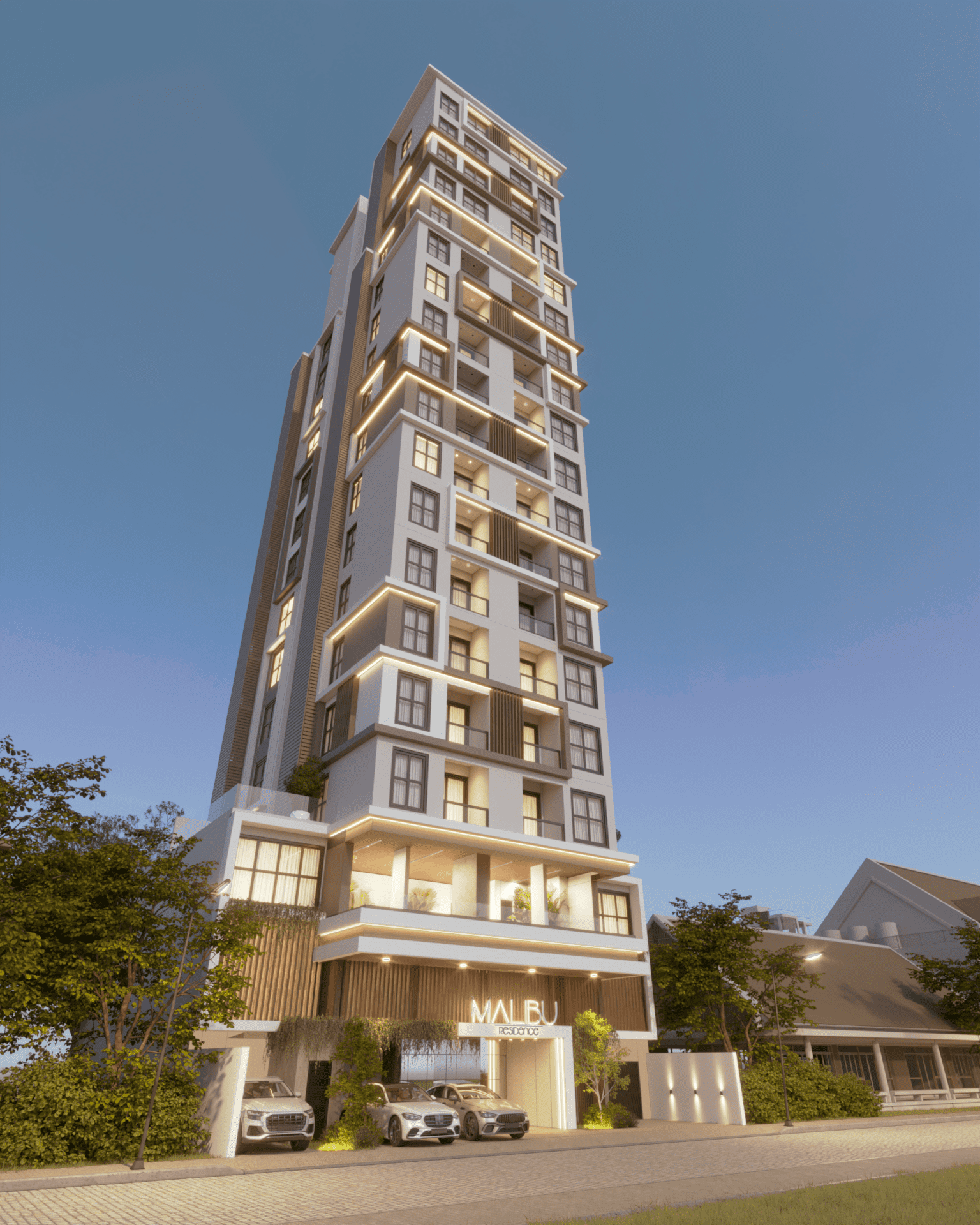
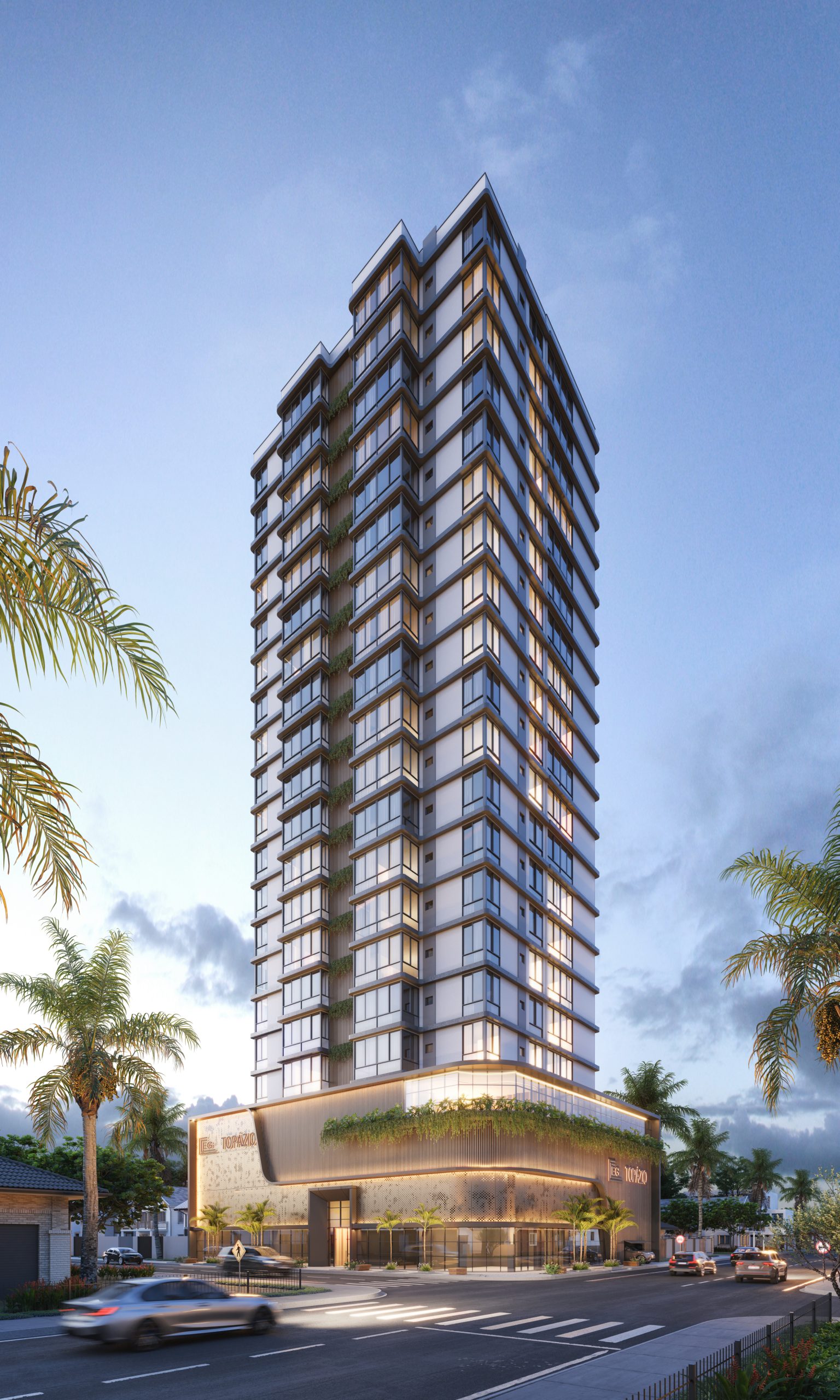
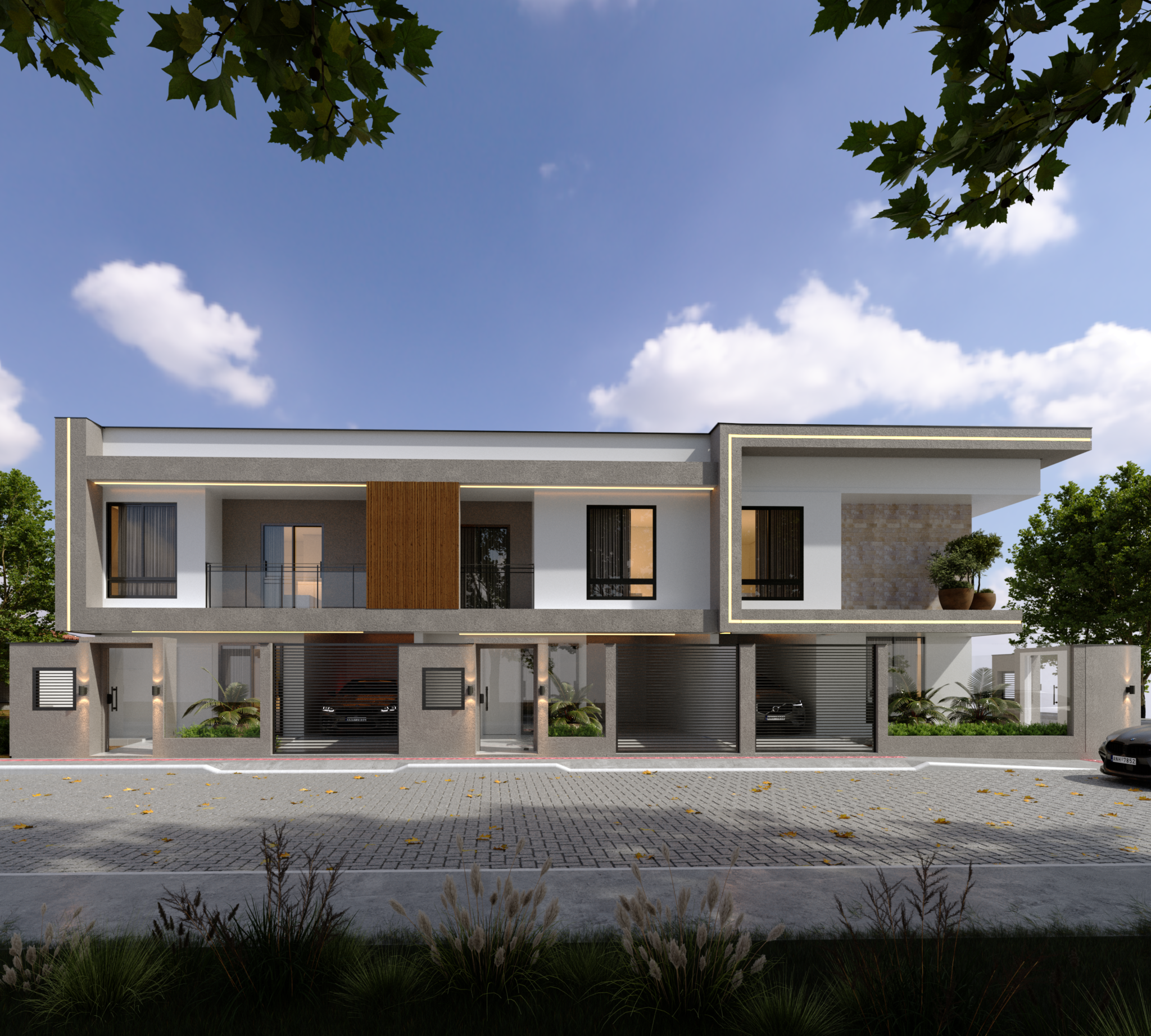
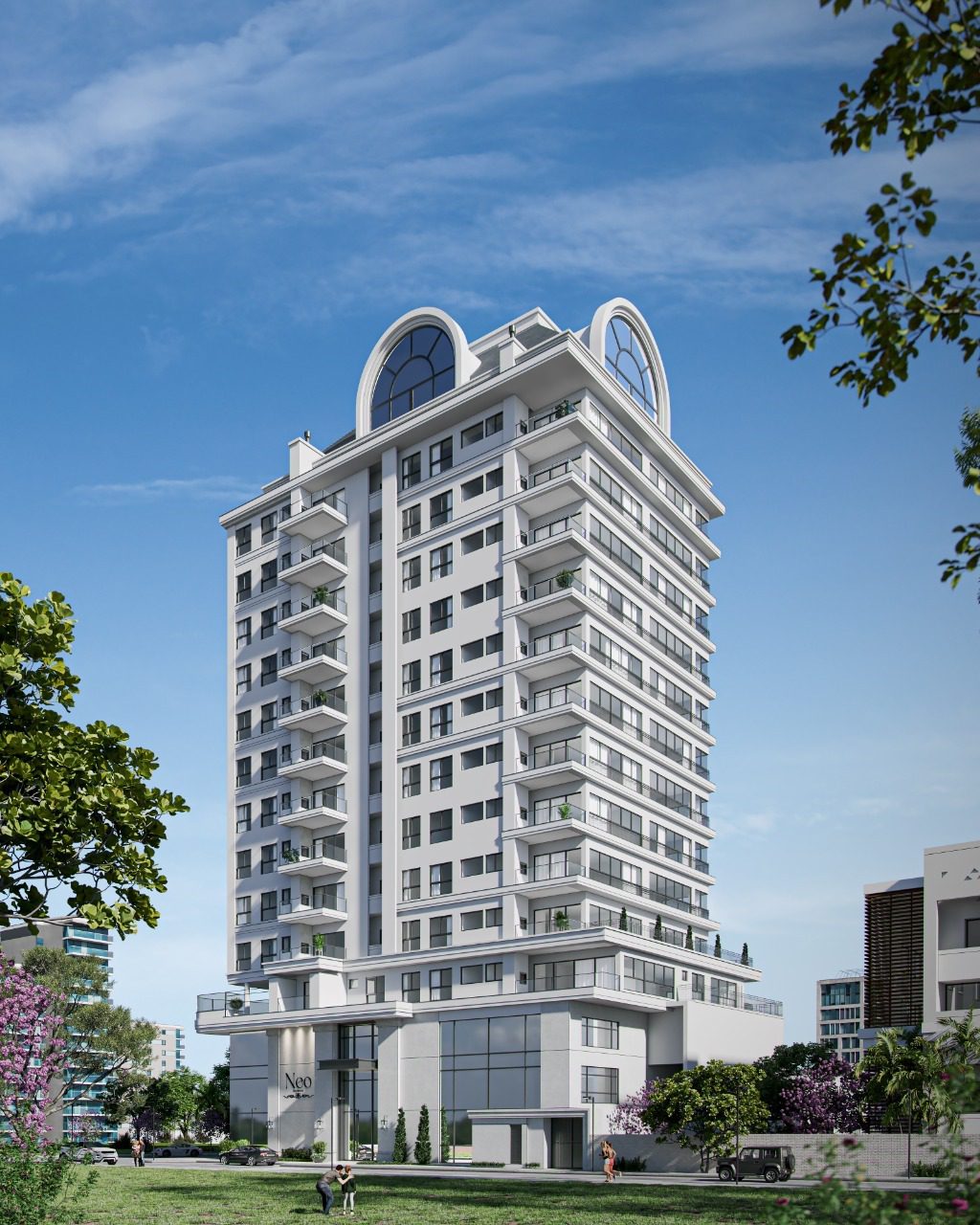
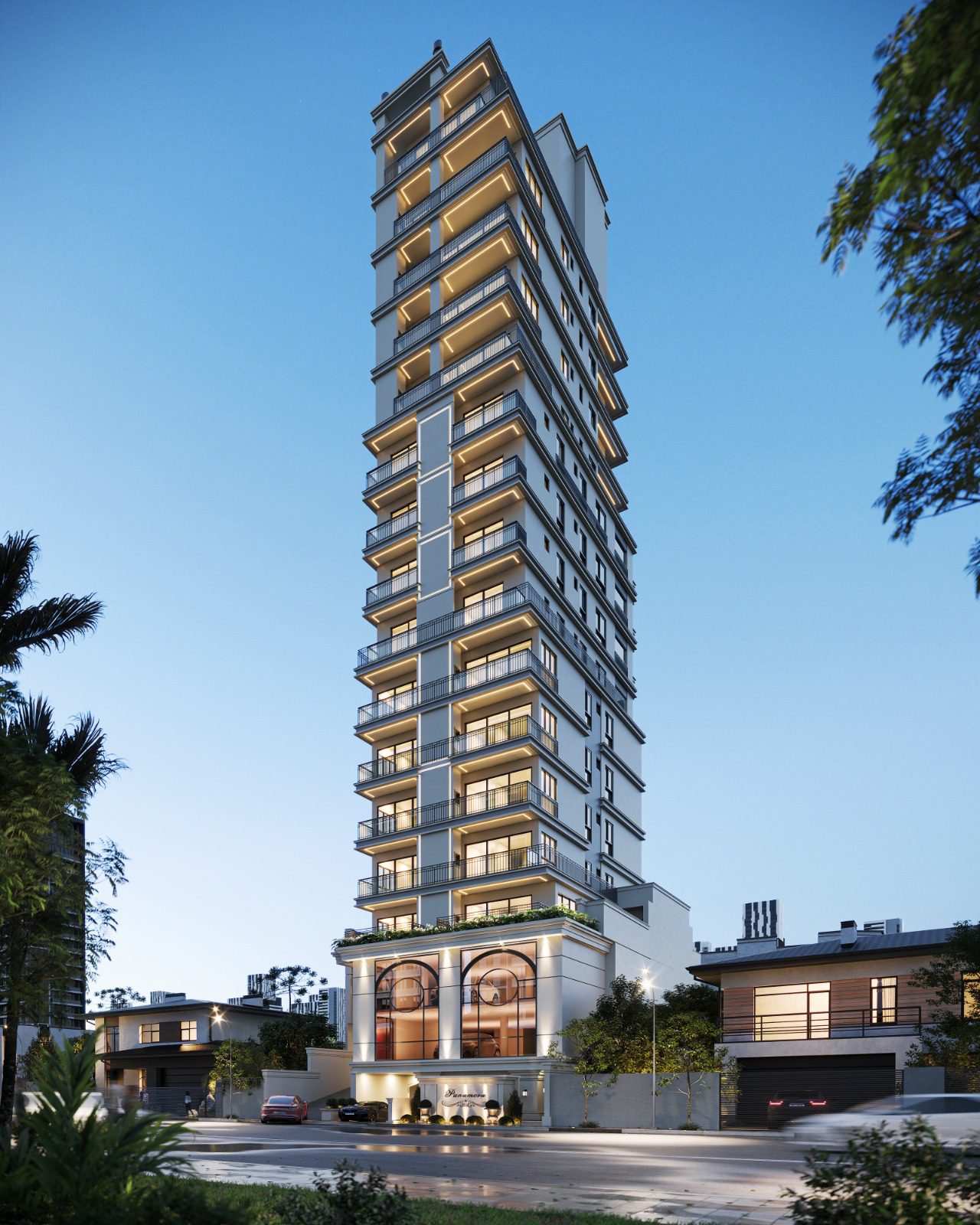
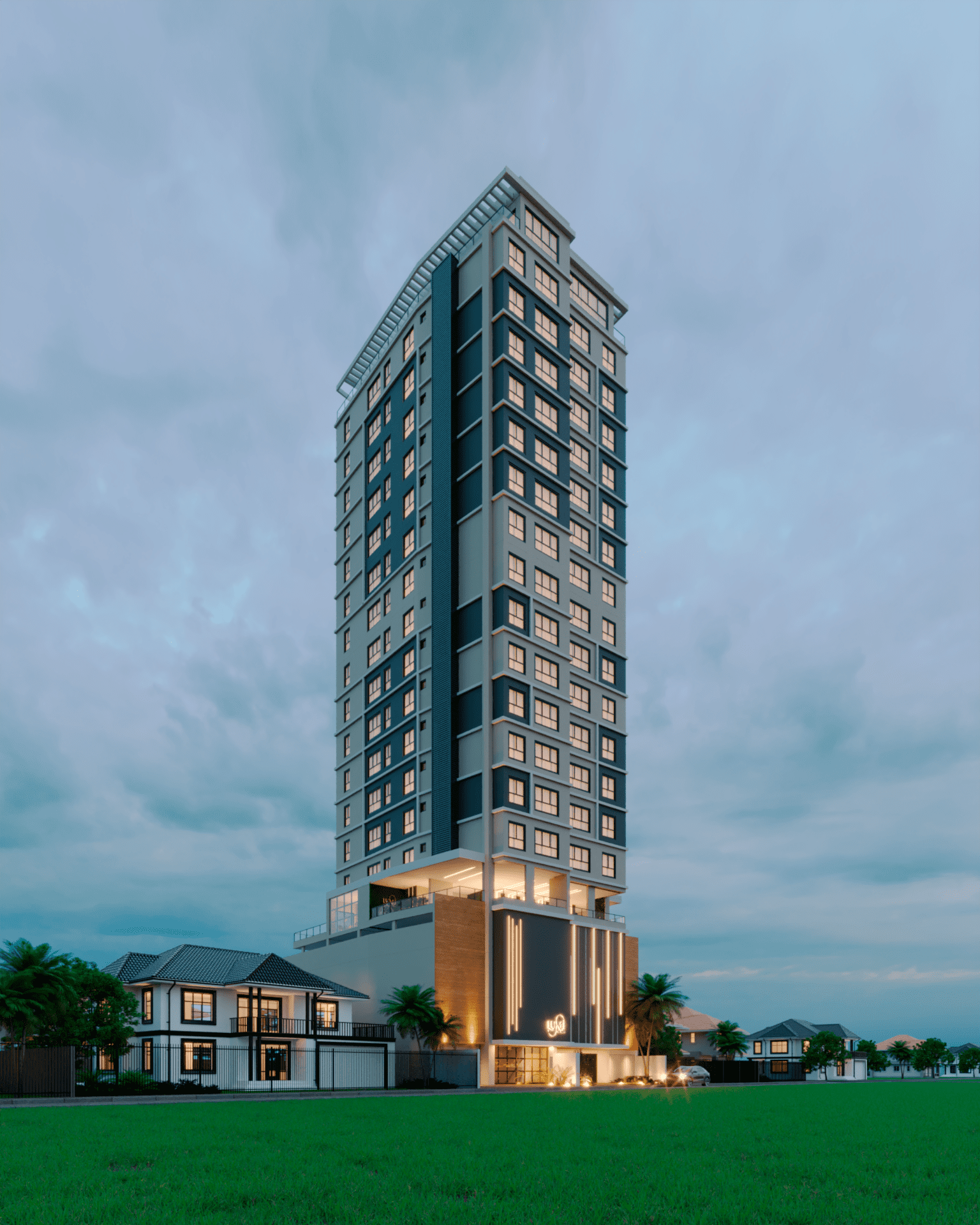
A contemporary architecture It is one of the vanguards. It uses unusual forms, sustainable technologies, and values natural light. This shows the adaptation of architecture to the needs of society.
You innovative architectural designs They bring both aesthetics and functionality. They use new materials and techniques, improving energy efficiency and comfort in spaces.
Architecture blends the old and the new, reflecting our aspirations and achievements. contemporary architecture and the innovative architectural designs They are reshaping the city, encouraging the reinvention of spaces.
The Evolution of Civil Construction and Its Impacts
The construction industry has changed a lot with the integration of technology in civil construction. Now, we use automated systems and innovative materials. This has made projects more efficient, sustainable, and cheaper.
These changes speed up construction and improve the quality and durability of buildings. Now, building a building takes less time. This is due to new materials and methods that improve each phase of the project.
New technologies such as 3D printing and artificial intelligence improve customization and reduce waste. This is essential to increase the constructive efficiency. Furthermore, innovative practices improve worker safety and reduce environmental damage.
Thus, civil construction not only changes what we can do in architecture, but also greatly improves people's lives. Now, we have safer, more comfortable spaces that meet today's needs.
Urban Planning and Its Role in Quality of Life
Urban planning has a great social impact in cities. It directly influences people's quality of life. It's important to understand how... urban planning Social well-being and welfare are connected. This creates a urban space Better for everyone.
Urban planners create spaces that meet various needs. They consider housing, commerce, culture, and the environment. This helps improve life in cities, making them more inclusive and accessible.
Urban planning can solve problems such as overcrowding and pollution. It creates safe and inclusive spaces. Thus, the community can grow better in all aspects.
Interior Design and Home Decor
The world of interior design It's always changing. The new interior design trends They showcase aesthetics, comfort, and functionality. They reflect the personal style in decoration and they use new techniques and materials.
Personalization is very important in interior decoration. Every detail is chosen to match the residents' lifestyle. Colors, textures, and furniture are selected to both decorate and be functional.
To the interior design trends They blend classic and modern styles. Vintage pieces and new technology create nostalgic yet innovative environments. personal style in decoration It allows us to express who we are in our homes.
Sustainability in Architecture and Urban Planning
Today, the world recognizes the importance of addressing environmental challenges. Therefore, the sustainable architecture and the eco-efficient buildings They are fundamental. They seek to reduce the environmental impact and to promote harmony with the environment.
Green technologies, sustainable materials, and energy efficiency are essential in sustainable architecture. These practices not only help the planet but also bring economic benefits. They reduce operating and maintenance costs.
To the eco-efficient buildings They seek more than just using resources responsibly. They create spaces that improve the lives of those who live there. With more natural light, quality air, and design focused on well-being, these places are healthy and productive.
When we talk about reducing the environmental impact, We envision an approach that benefits everyone, from the architect to the end user. This path is essential for architecture and urban planning, as it seeks environmental sustainability and a better future for generations to come.
The Importance of Urban Planning in Large Metropolitan Areas
O growth of metropolises It is a great challenge and an opportunity for urban planning. Cities grow and face challenges such as managing resources and maintaining quality of life.
Planning is crucial for organizing urban space and accommodating more people. planning strategies They must be strong and flexible. They must cope with the rapid changes in big cities.
It is important to focus on mobility, accessibility, sustainability, and social inclusion.
With urbanization, it is essential to create projects that meet needs now and in the future. This means investing in infrastructure, such as public transport, affordable housing, and green spaces.
Careful urban planning can transform challenges into opportunities. In this way, cities can grow and improve the lives of their citizens.
Integration of Architecture with the Environment
A green architecture It is growing and bringing buildings integrated with nature. These buildings not only improve the appearance but also help the environment. They seek to create a Harmony between construction and the environment, making each project a meeting point with nature.
This partnership goes beyond using renewable energy and sustainable techniques. It also improves people's well-being, enhancing everyone's lives. Strategically using plants creates a more pleasant climate, reducing the use of air conditioning and heating.
There are many projects that demonstrate how this philosophy can be applied. From small houses to large shopping malls, greenery is the focus. This changes the city in a new and sustainable way. The pursuit of architecture that integrates with nature is an important step towards the future of cities.
The Future of Architecture and Urban Planning
Exploring the future trends in architecture e projections for urban planning, We see a future full of innovations. These innovations will change how we live and interact with spaces. urban innovation It uses technology and sustainable design to create better environments.
Urban projects will focus on saving resources, reducing pollution, and improving people's lives. future trends in architecture They point towards smart buildings. They will adapt their functions to better serve users, improving quality of life.
A urban innovation This will change how we create public spaces. Spaces that promote social interaction, the local economy, and leisure will be essential. projections for urban planning They also seek to unite the built environment with the natural environment. This will improve the sustainability and resilience of cities.
The future of architecture and urban planning is dynamic and adaptive. It is ready to face the challenges of tomorrow. Investing in these... future trends It means creating smarter, more inclusive, and more sustainable cities.
Conclusion
This article provided an in-depth analysis of architecture and urban planning. It showed how these disciplines shape our spaces and influence how we live. They are not just about building, but about creating healthy environments in harmony with the environment.
In the discussion about urban development, we saw how cities and small towns change and adapt. Architecture and urban planning blend beauty and functionality, keeping sustainability in mind. This shows the great potential for creating a sustainable future for urban and natural growth.
Urban planning is essential for a better life. It goes beyond technical aspects; it's about empathy and anticipating the future. Every decision influences people's lives and the identity of communities. It's important to build a better future for the next generations, considering the impact of architecture on our daily lives.