

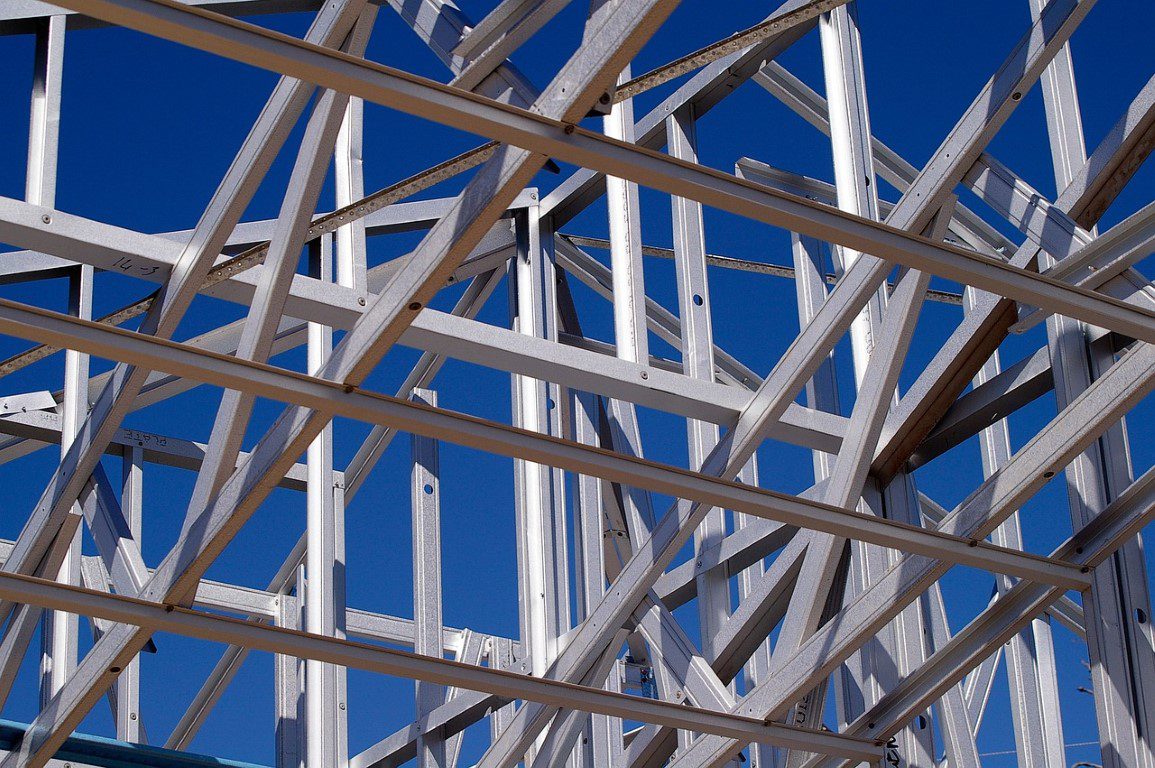




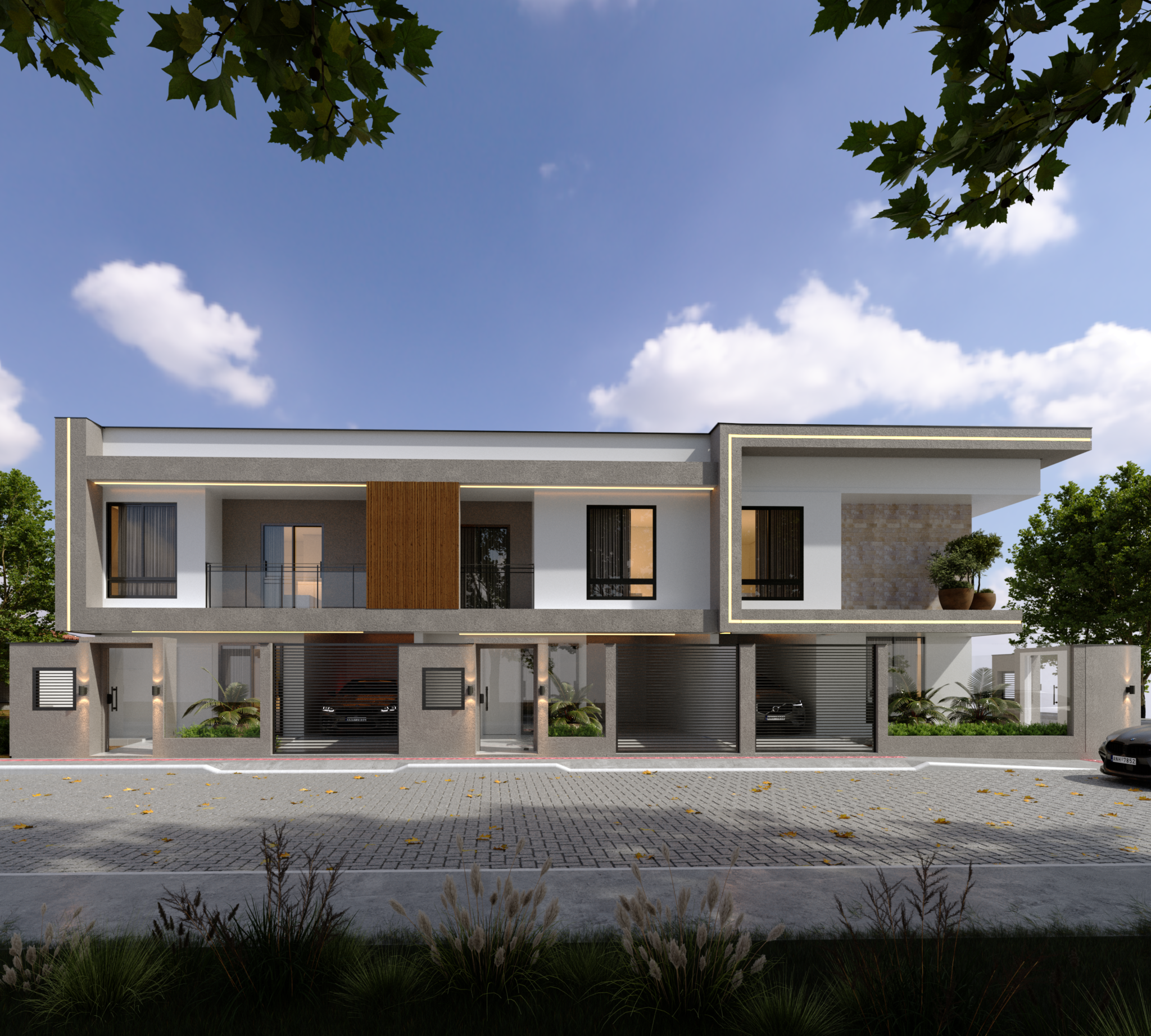











Construction using metal structures has offered a new possibility for the civil and industrial construction sector. Through this resistant and ecological material, projects are completed more quickly and efficiently.
Learn more about metal structures in this article, including their importance, advantages and disadvantages, and their use around the world.
What is a metal structure?
The metal structure can be considered a structural element, which is produced exclusively with metallic material, as its name suggests. One of the main highlights is steel, being the primary component for all constructions that adopt this standard.
Steel is composed of iron-carbon alloys, where the amount of carbon is pre-selected to indicate the specific strength level of that material. Therefore, the less carbon there is in that structure, the lower its strength. The same is true in the opposite situation.
Use of metal structures around the world
Metal structures are commonly used around the world in a wide variety of constructions. The main ones are:
- WarehousesIn this type of horizontal construction, metal offers significant advantages because it allows for large, open spans, as well as eliminating unnecessary pillars;
- Vertical buildingsVertical structures also benefit from metal framing, as they can be built more quickly and with greater lightness.;
- BridgesFor bridges, there are also a number of advantages, such as greater safety for workers throughout the construction process and a reduction in assembly time.
One of the most well-known structures in the world, which uses a metal structure in its composition, is the Eiffel Tower, with its extension made of iron. The entire project took 2 years to complete, costing approximately 8 million francs to the French treasury.
Advantages of metal structures
There are many advantages to using metal structures in construction. However, the main ones are directly related to:
- Reduced construction timeIn multi-story buildings, a reduction of 40% in construction time is observed, especially when concrete structures are used as a comparison;
- Technology controlThe metal is produced in a steel mill, where various options can be chosen, resulting in greater control over variation.;
- Wider resistanceMetal structures produce larger spans, allowing for space savings and increased strength;
- SustainabilityThe material used in the construction is entirely recyclable.;
- Quality of the structure and service performed.In structures that use metal, the precision employed is measured in millimeters.
Disadvantages of metal structures
As with any other type of construction, there are some disadvantages that need to be mentioned. The initial cost is somewhat higher than in other cases, requiring a pre-planned initial capital already in hand. This differs from concrete structures, which are built over time.
Furthermore, there are also problems with corrosion, but these can be easily resolved. To do so, simply follow the recommendations, paying close attention to the details, and eliminate any corrosion risks from the outset.
Finally, there is also the problem of fire, considering that, depending on how long the structure needs to withstand high temperatures, it will be necessary to use protective coatings and paint, which can lead to additional construction costs.
Durability
The durability of metal structures is a key point to highlight for those considering their use. This is because, thanks to mechanisms developed to reduce material deterioration, the minimum expected lifespan is 50 years, as all these details are factored into the design.
Interesting facts about metal structures.
One of the main interesting aspects of metal structures is precisely the fact that steel can be used in any type of construction. Furthermore, its construction will be cheaper and will avoid waste. Finally, there is also an essential piece of information: metal allows for the dissemination of thermal and acoustic comfort.
Metal structures are essential for most construction projects, whether industrial or conventional. Therefore, when planning a good project that incorporates them, the chances of success and cost savings are much greater.