

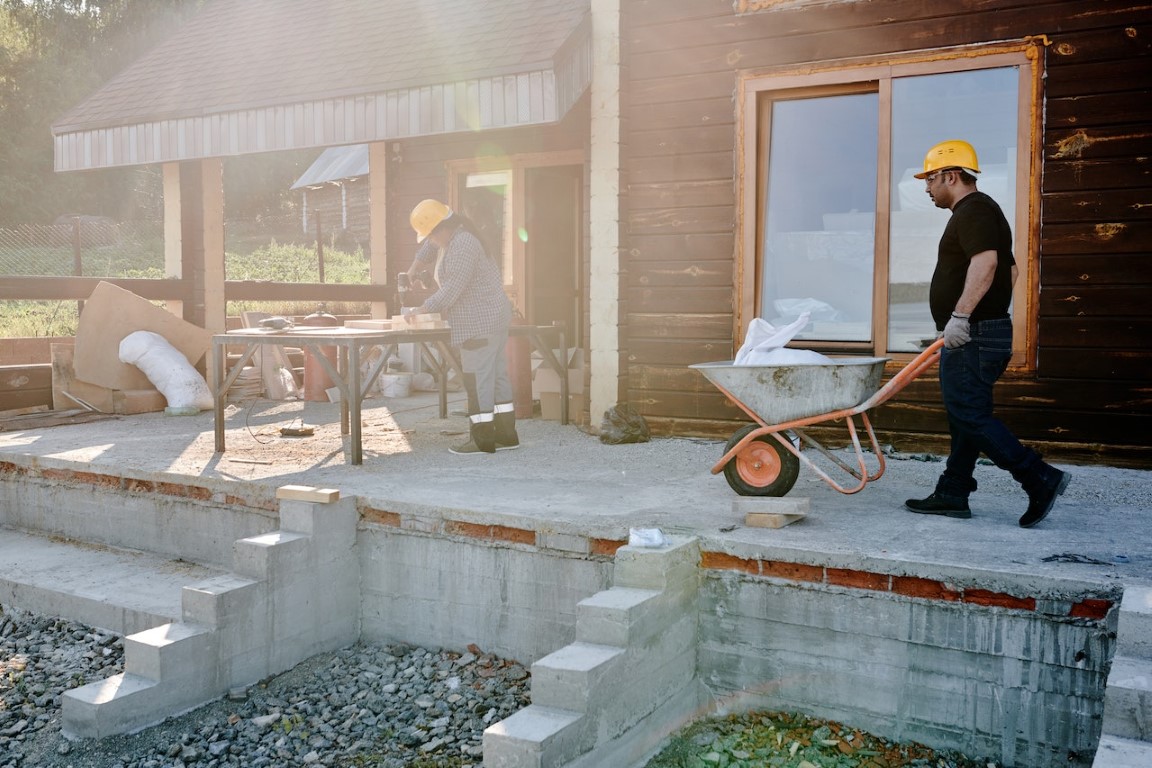
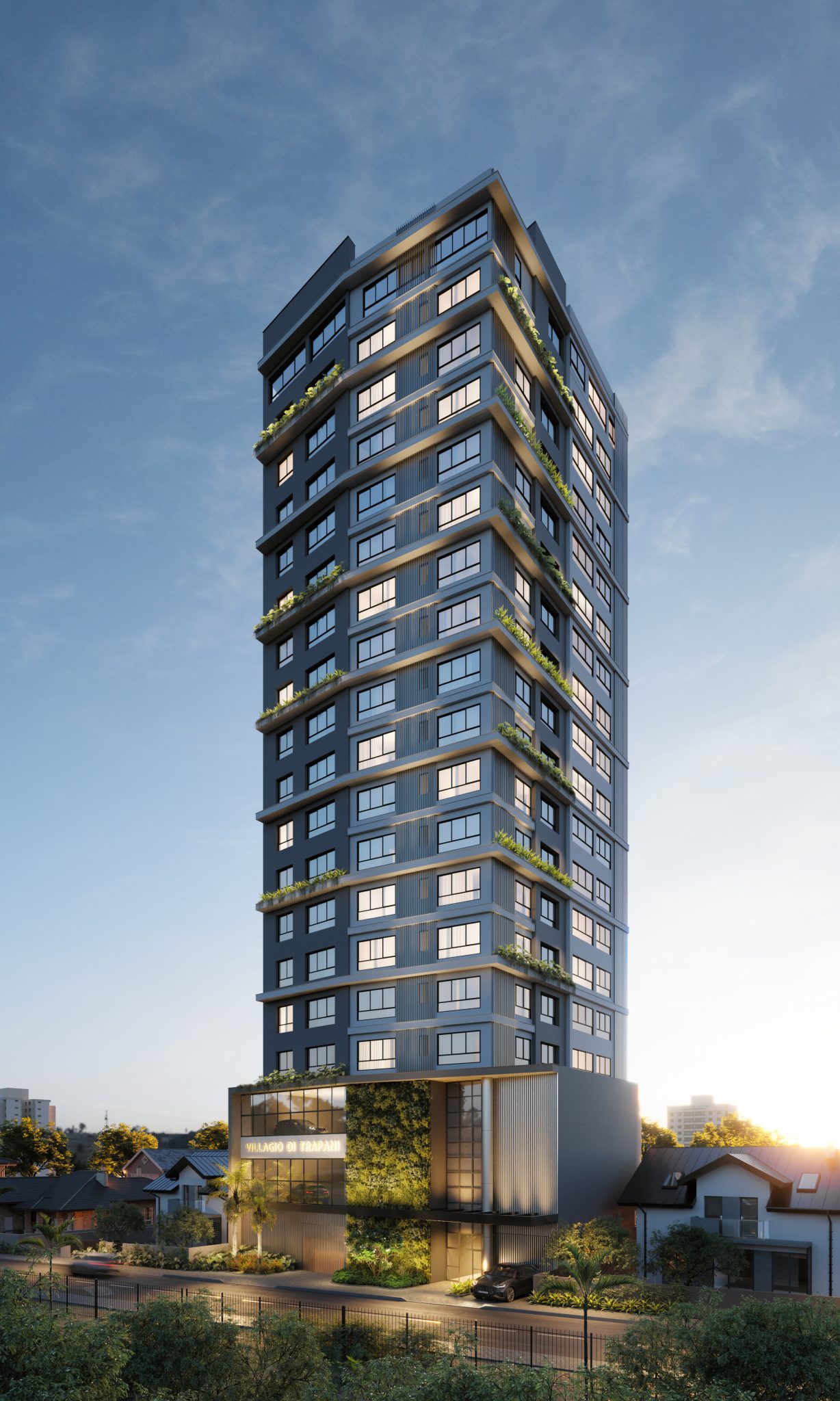
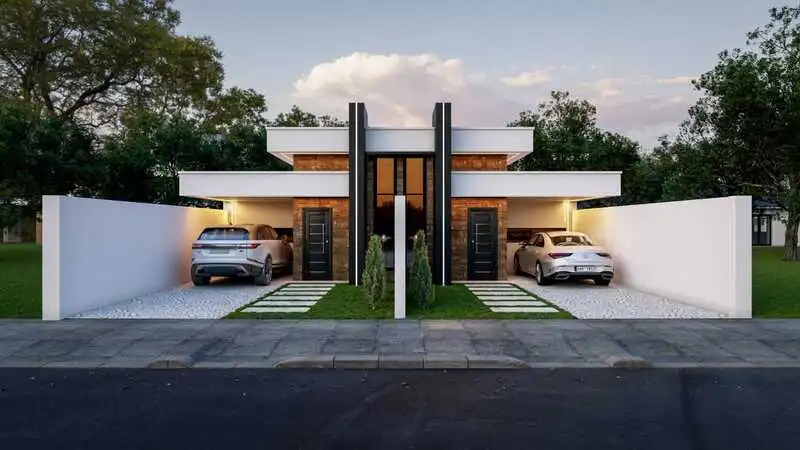
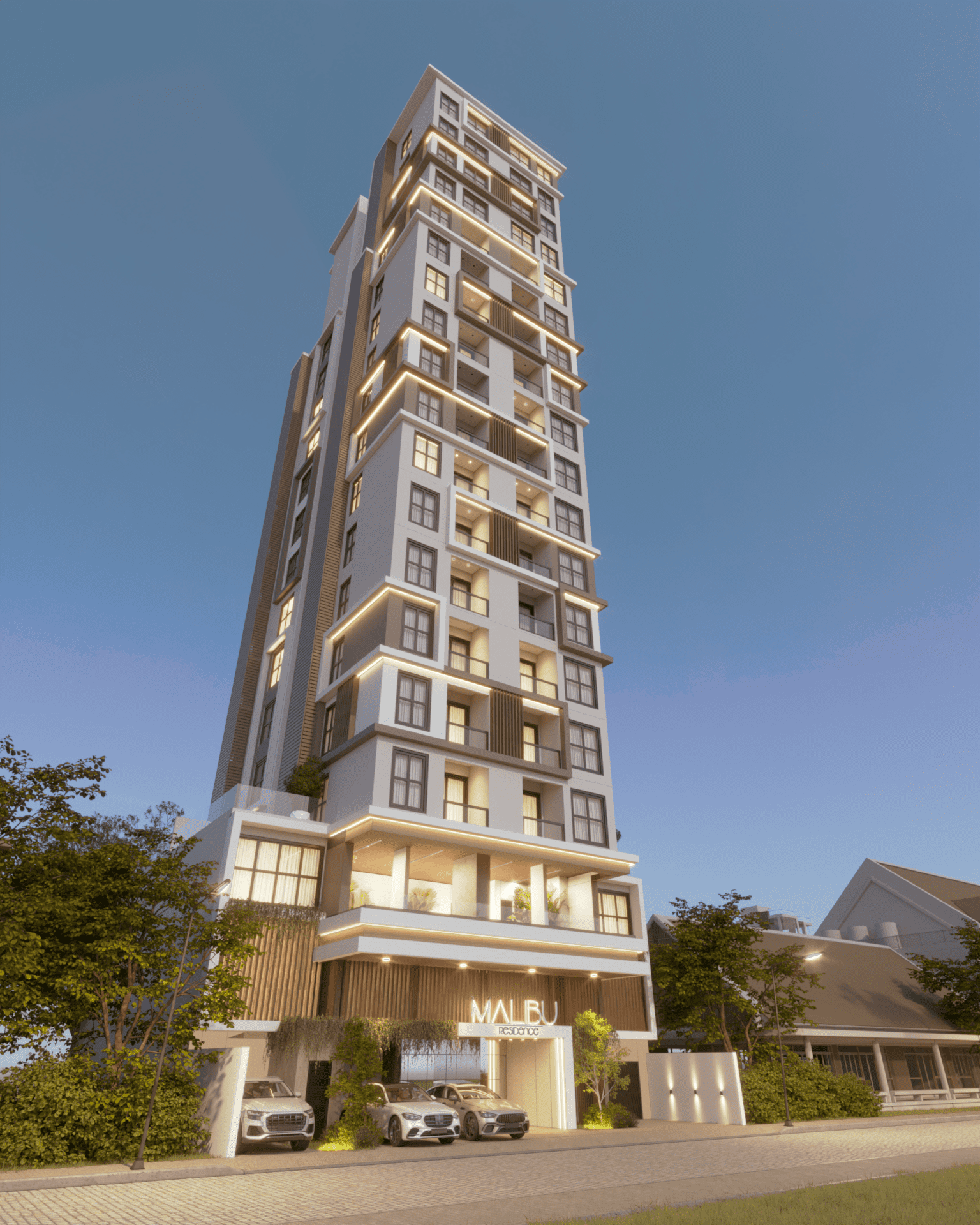
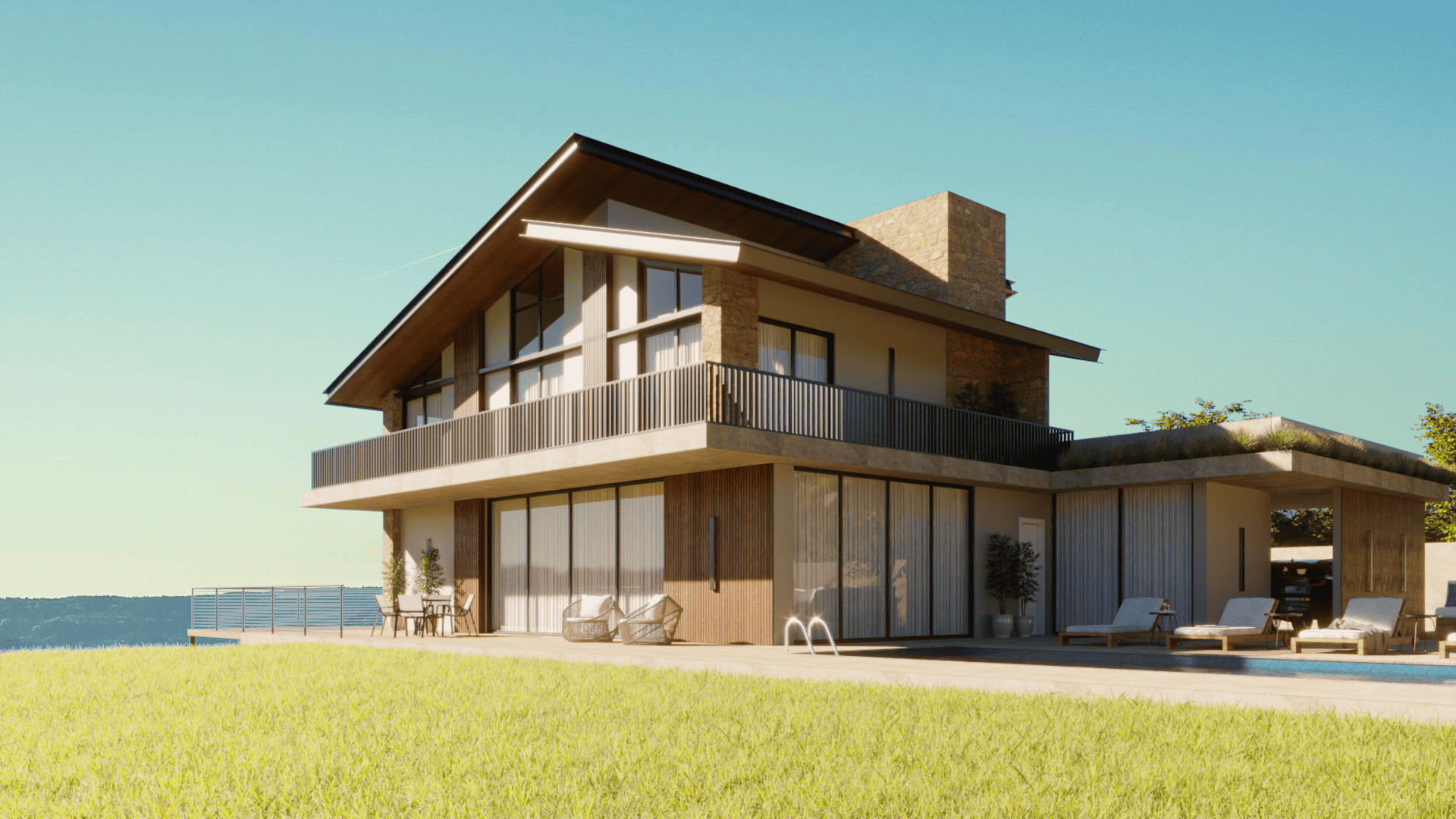
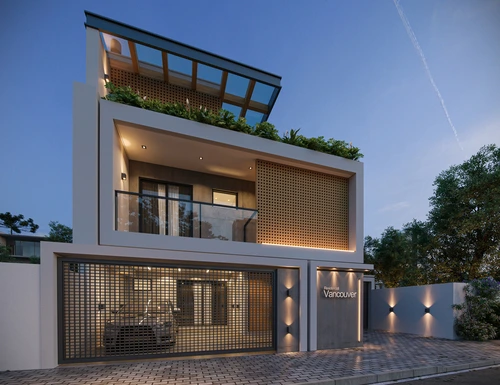
Building a house is a dream many people share, but it can seem daunting at first glance. However, with proper planning, it's possible to build a house efficiently and economically. This article provides tips and information on costs and planning to help you build the house of your dreams.
How much does it cost to build a house?
The average cost to build a house from scratch, according to the CUB (Unit Cost of Civil Construction) of Sinduscon Santa Catarina (https://sinduscon-fpolis.org.br/servico/cub-mensal/), is R$ 2,680.84/m² (March 2023).
It is important to emphasize that this value is only an average and can vary considerably depending on several factors, such as location, type of land, house size, materials used, labor, among others.
Therefore, it is advisable to evaluate each aspect individually and create a customized budget for the project in question.
Planning your construction
Before you begin building a house, it's essential that you do careful planning. This includes obtaining a suitable plot of land and verifying that it meets your needs. It's also important to check local laws and regulations and obtain the necessary permits before starting any construction.
House design
The next step is to design the house. This involves creating detailed architectural plans, including the size and shape of the house, as well as the features and amenities you want to include. It's important to keep your budget in mind when designing the house and be careful not to exceed what you can afford.
Costs involved
The costs involved in building a house can vary greatly depending on the size and design of the house, as well as the location and the cost of building materials in the region. On average, you can expect to spend around R$ 1,500 to R$ 3,000 per square meter to build a house. This means that a house with 150 square meters could cost between R$ 225,000 and R$ 450,000.
Tips for saving money
Building a house can be an expensive undertaking, but there are many ways to save money during the process. Here are some helpful tips:
- Plan ahead: The more time you spend planning and researching, the more likely you are to find more affordable prices for materials and services.
- Hire reliable contractors: Hire reliable and well-rated contractors to ensure you get a good job for the right price.
- Choose durable building materials: Choose durable, high-quality building materials that will last a long time and save you money in the long run.
- Avoid unnecessary extras: Avoid unnecessary extras, such as extravagant features and additions that don't add value to your home.
- Hire an architect: He is responsible for creating functional, aesthetically pleasing, and sustainable spaces, meeting the needs of users and technical, legal, and environmental requirements.
- Hire a civil engineer: A civil engineer is responsible for ensuring the safety and stability of the structures and buildings they design and construct. Furthermore, they must also ensure that all their projects comply with applicable standards and regulations, as well as established legal and technical requirements.
Sustainable building materials
In addition to saving money, building a house with sustainable materials can also help reduce the environmental impact of construction and make your home more energy efficient.
- Ecological bricks: Ecological bricks are made from soil-cement, which is a mixture of earth, cement, and water. They are more economical and environmentally friendly than traditional bricks because they require less energy to produce and are made with renewable materials.
- Replanted wood: Instead of using wood from native forests, consider using wood from reforestation. This wood is produced on sustainable plantations, meaning it is harvested responsibly.
- Green roofs: Green roofs are a great option for those who want to make their home more eco-friendly and energy-efficient. They consist of layers of soil, plants, and a drainage system, which helps reduce energy consumption and the environmental impact of the building. In addition, green roofs can also help improve air quality and reduce noise pollution.
- Eco-friendly paint: When choosing paint for your home, opt for eco-friendly paint, which is made with non-toxic and sustainable materials. This option is safer for your family's health and also helps reduce the environmental impact of construction.
Conclusion
Building a house can be an expensive and complex process, but with careful planning and smart choices, you can save money and make your home more sustainable and efficient. By considering sustainable building material options and hiring reliable professionals, you can build the house of your dreams without compromising the environment or your budget.
We hope this article has provided useful and detailed information about the cost of building a house in Brazil and how you can save money and make your home more sustainable during this process. If you have any questions or would like more information, please contact us. We are here to help!