

















Have you ever thought about using rainwater to save on your bill and help the environment at the same time? Well, this is possible with rainwater harvesting systems, which are sets of equipment and techniques that allow you to collect, store and use water from atmospheric precipitation.
How does the collection system work?
The rainwater harvesting system consists of four main stages: collection, filtration, storage, and distribution. Here's how each one works:
Fundraising
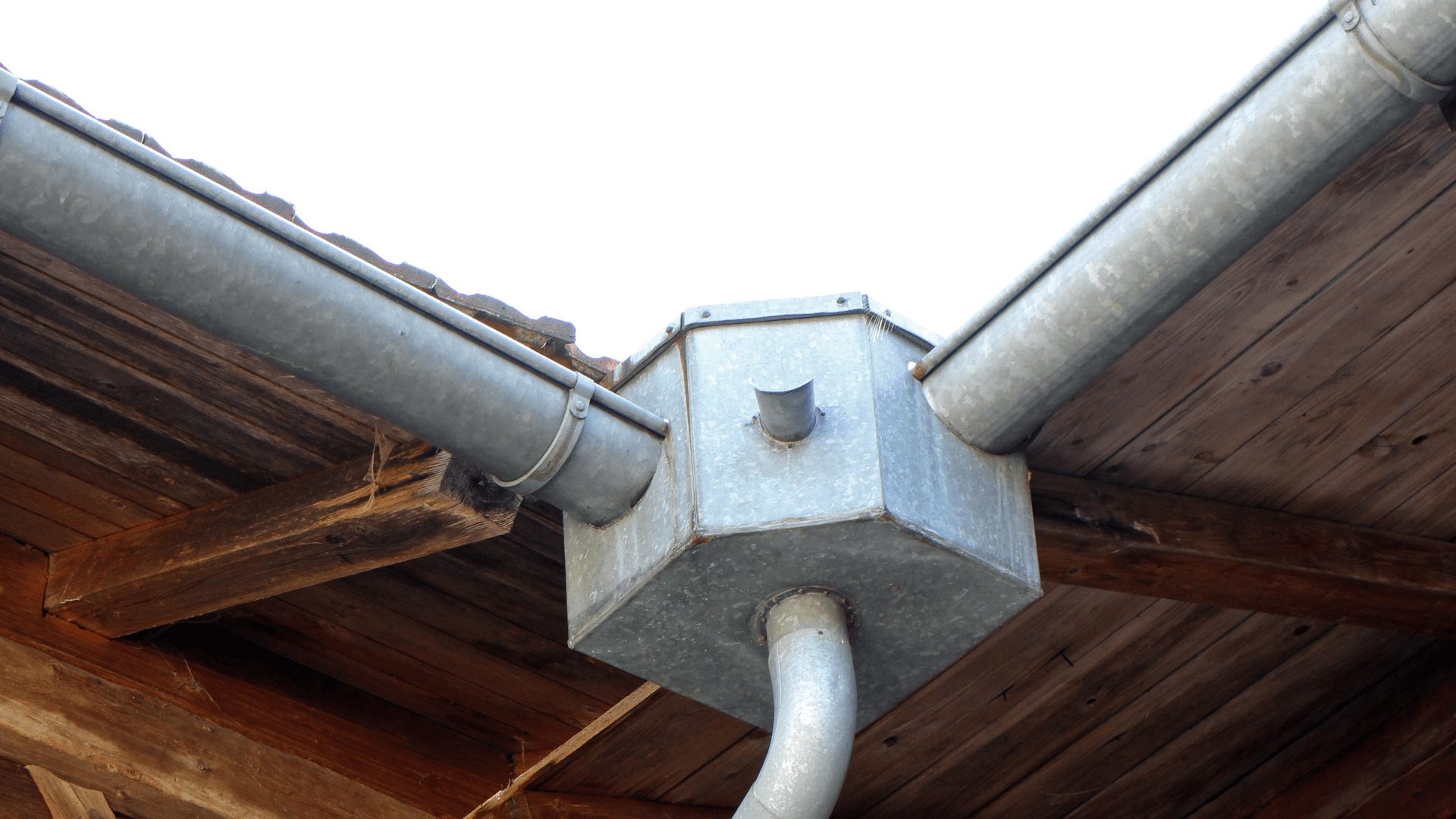
It is the part of the system that collects rainwater that falls on impermeable surfaces, such as roofs, gutters, and drains. This water is then piped to the filter.
Filtration
It is the part of the system that removes impurities and dirt from rainwater, such as leaves, twigs, insects, and dust. The filter can be of different types, such as screen, sand, or activated carbon. The goal is to prevent clogging of pipes and improve water quality.
Storage
This is the part of the system that stores filtered water in suitable reservoirs, such as cisterns or water tanks. These reservoirs must be closed and protected from light and heat to prevent the proliferation of microorganisms and the evaporation of water.
Distribution
It is the part of the system that carries stored water to points of use, such as faucets, showers, toilets, and washing machines. Water can be distributed by gravity or by pumping, depending on the desired height and pressure.
What is the purpose of stormwater drainage systems?
Stormwater drainage systems are engineering projects aimed at improving the flow and use of rainwater in urban areas. They can include structures such as culverts, galleries, channels, drains, retention basins, and reservoirs. The goal of these works is to prevent floods, waterlogging, soil erosion, and pollution of water resources. In addition, they can contribute to the recharge of groundwater and the reduction of potable water consumption.
How do you build a rainwater harvesting system?
Building a rainwater harvesting system isn't as difficult as it seems. You can follow a few simple steps to assemble your own system at home or in your building. Here's what you'll need:
– A roof or other impermeable surface that receives rainwater.
– A gutter or drain to channel the water to the filter.
– A filter to clean the water of impurities.
– A reservoir for storing the filtered water.
– A pipe to distribute water to the points of use.
– A pump or valve to regulate water pressure.
Whose responsibility is it to manage rainwater?
Responsibility for stormwater is shared between public authorities and citizens. Public bodies must plan and execute the necessary stormwater drainage works to ensure the proper functioning of the urban drainage system. Citizens must collaborate in the maintenance and cleaning of gutters, drains, and storm sewers, avoiding throwing garbage or debris on public roads. Furthermore, citizens can adopt sustainable measures such as rainwater harvesting and reuse in their homes or businesses.