


Onerous Grant in Piçarras: Technical Feasibility Guide
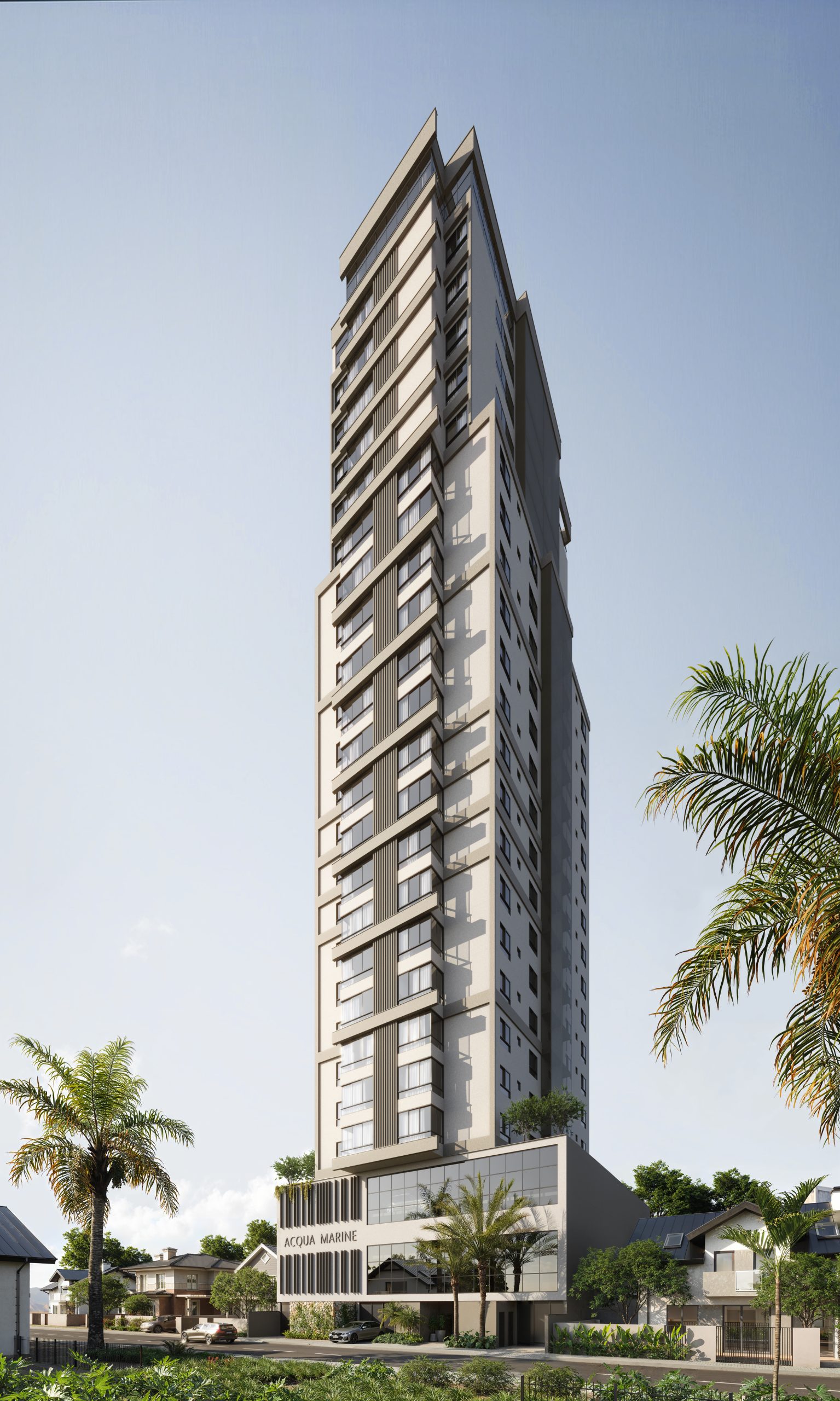
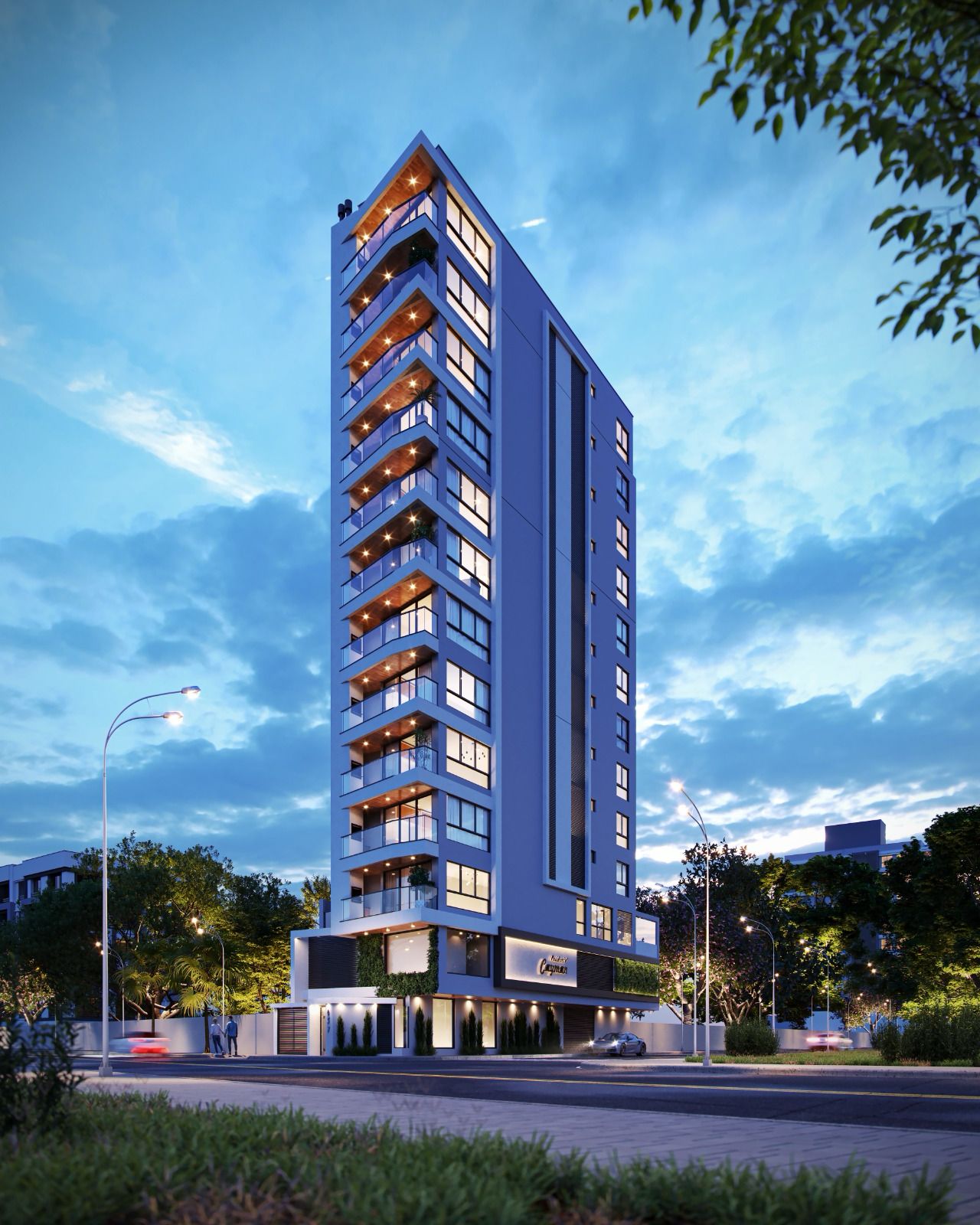
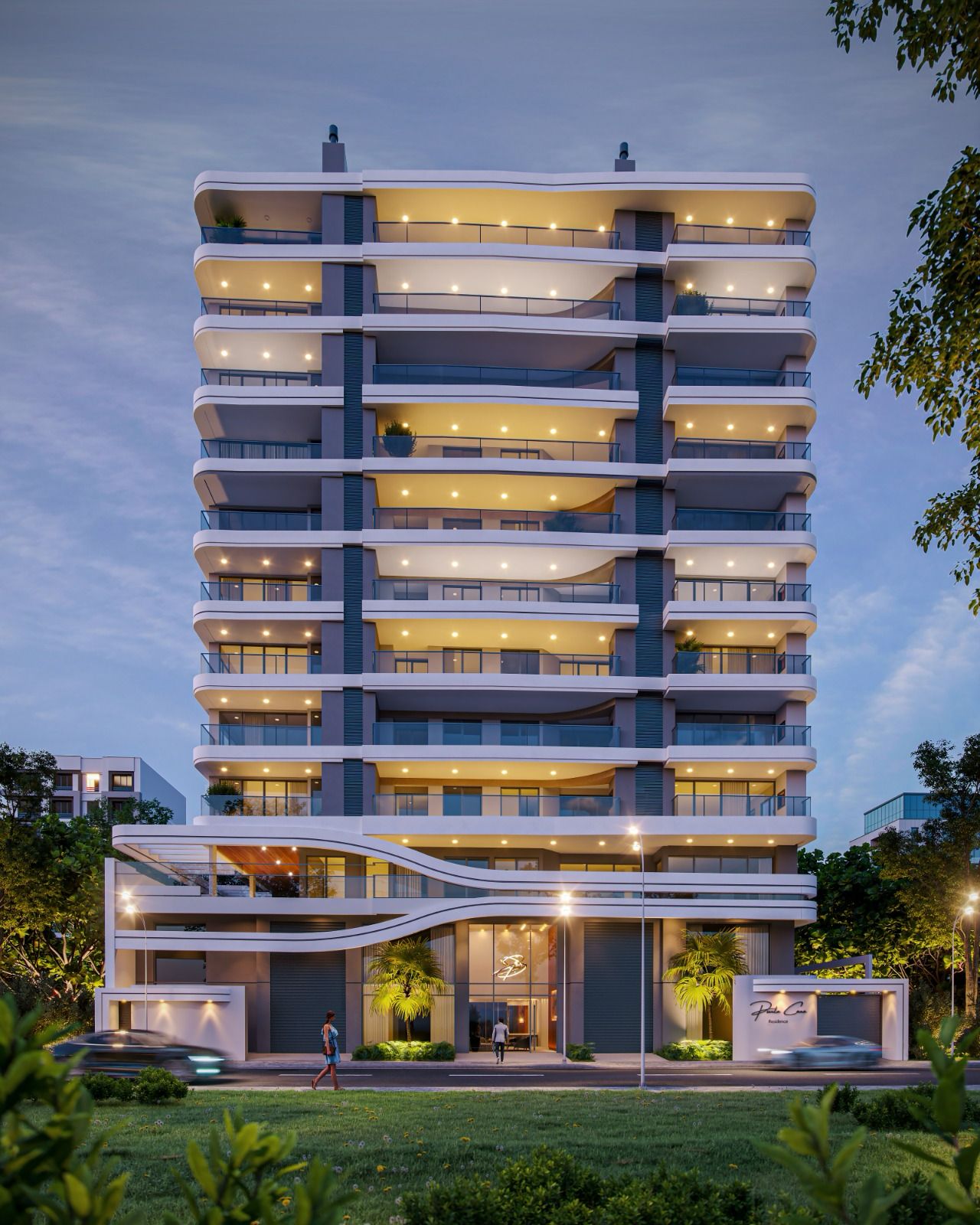
At WGB Arquitetura e Engenharia, we understand that the success of a real estate development in Balneário Piçarras is not limited to aesthetic beauty or structural robustness, but fundamentally depends on the intelligent use of construction potential. The Onerous Grant of the Right to Build (OODC) is the legal tool that allows investors to go beyond the basic coefficient stipulated in the Master Plan, transforming additional square meters into real profitability.
The Concept of Onerous Granting in the Urban Context
The Onerous Grant is, technically, a financial compensation paid by the owner to the municipality to build above the basic utilization coefficient. In Piçarras, this tool is vital to enable medium and high-density projects, allowing buildings to reach heights that would otherwise be restricted. Unlike a common fee, it is a negotiation based on the market value of the real estate appreciation that the project will bring to the region.
For the investor, the feasibility analysis begins with understanding that the land has both free construction potential and additional potential, which is acquired through the OODC (Onerous Grant of Development Rights). The role of engineering in this scenario is to calculate the break-even point: where the cost of granting the right to add an upper floor does not exceed the profit from selling or renting that extra unit.
Regulations and Zoning Law
The entire process of purchasing development rights is governed by the City Statute (Federal Law 10.257/2001), which establishes general guidelines for municipalities to manage urban land. In Balneário Piçarras, strict compliance with the municipal Complementary Law governing land use and occupation is mandatory. Ignoring permeability indices and minimum setbacks when requesting authorization can lead to project rejection, tying up capital that should be generating returns on the construction site.
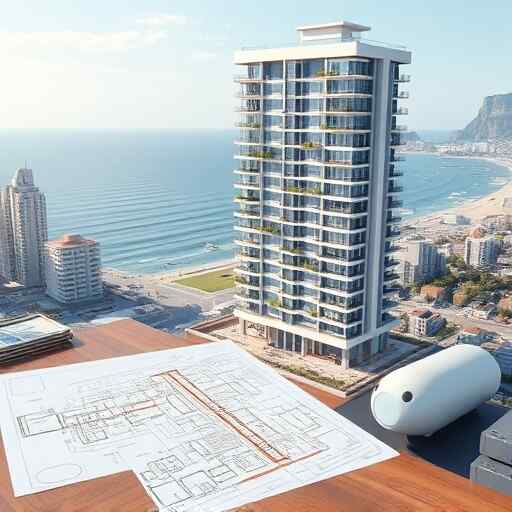
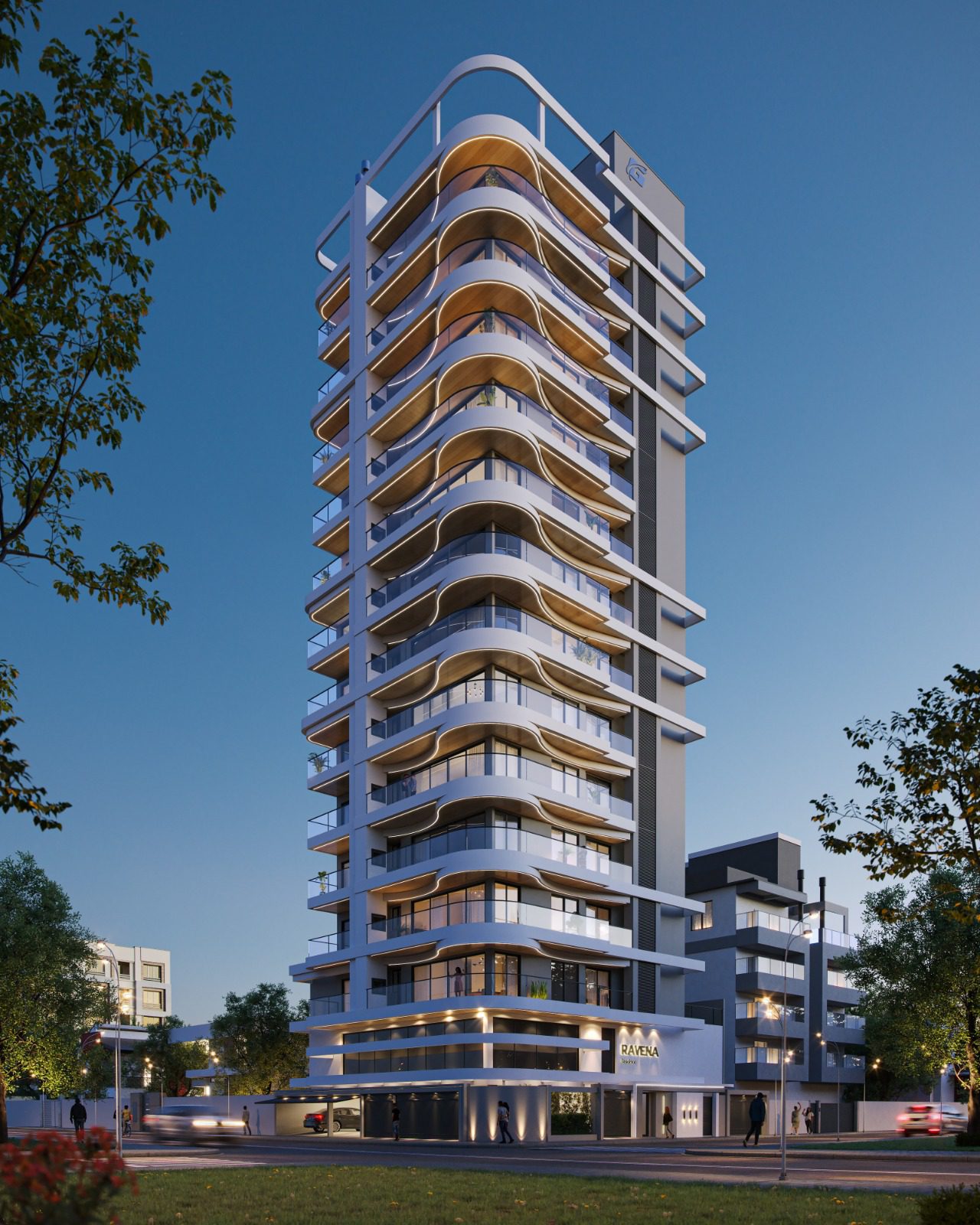
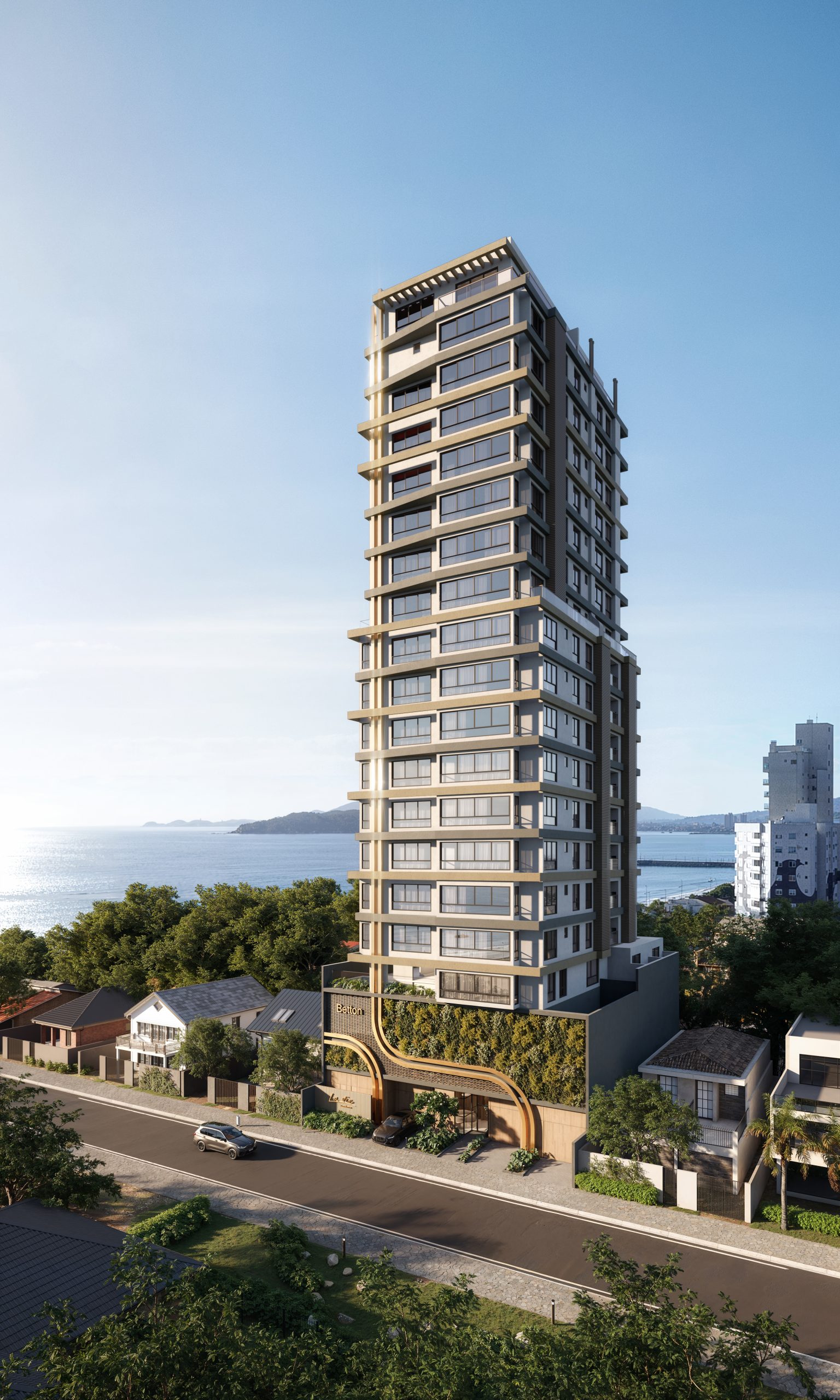
When designing a building near the charming Piçarras coastline, it is essential to consider that the building permit serves not only to gain height, but also to optimize the floor plan and improve the occupancy rate, maximizing the building's total sales value (VGV) through a technically sustainable density.
Comparative Analysis: Area Gain versus Grant Cost
The decision to acquire additional building potential should be based on a detailed financial feasibility study. Let's compare the scenarios:
- Scenario A (Without Grant): The project respects the basic coefficient. The initial cost is lower, but the sales value is limited. Ideal for land in areas where vertical construction is less valued.
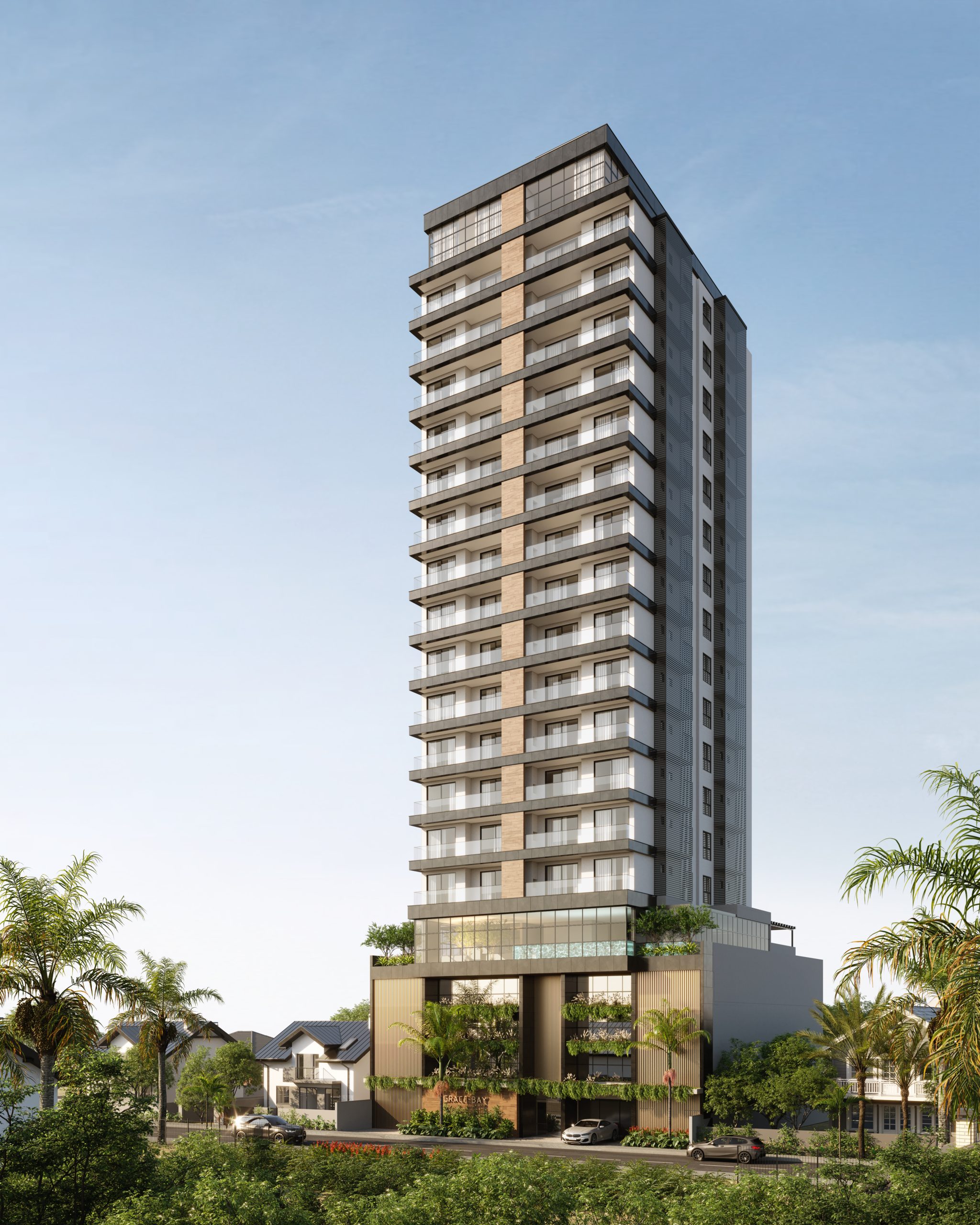
- Scenario B (With Grant): A larger investment is required to acquire additional space, but with scalable gains. Ideal for strategic locations, where each extra floor increases the number of units with sea views, raising the price per square meter of the entire building.
Technically, WGB helps investors calculate whether the fee paid for the building permit will be diluted in the unit cost of the new units. In many cases, adding floors allows for the dilution of fixed infrastructure, foundation, and vertical transportation equipment costs, optimizing the total cost of construction per square meter of private space.
Risks and Management Strategies
The biggest risk in projects that depend on permits is regulatory fluctuation. Changes in municipal laws or in the interpretation of the Planning Department can impact deadlines. Therefore, anticipation is our main strategy. We work with a rigorous analysis of urban planning parameters from the massing study phase, even before purchasing the land or contracting the complete executive project.
Another critical point is urban infrastructure. Increasing the number of floors through building permits raises the load on the sewage, energy, and local traffic networks. Environmental and engineering permits must anticipate these demands. Failure to do so results in unforeseen extra costs or work stoppages that paralyze construction, costing dearly for each day of inactivity.
Technical Feasibility as a Competitive Advantage
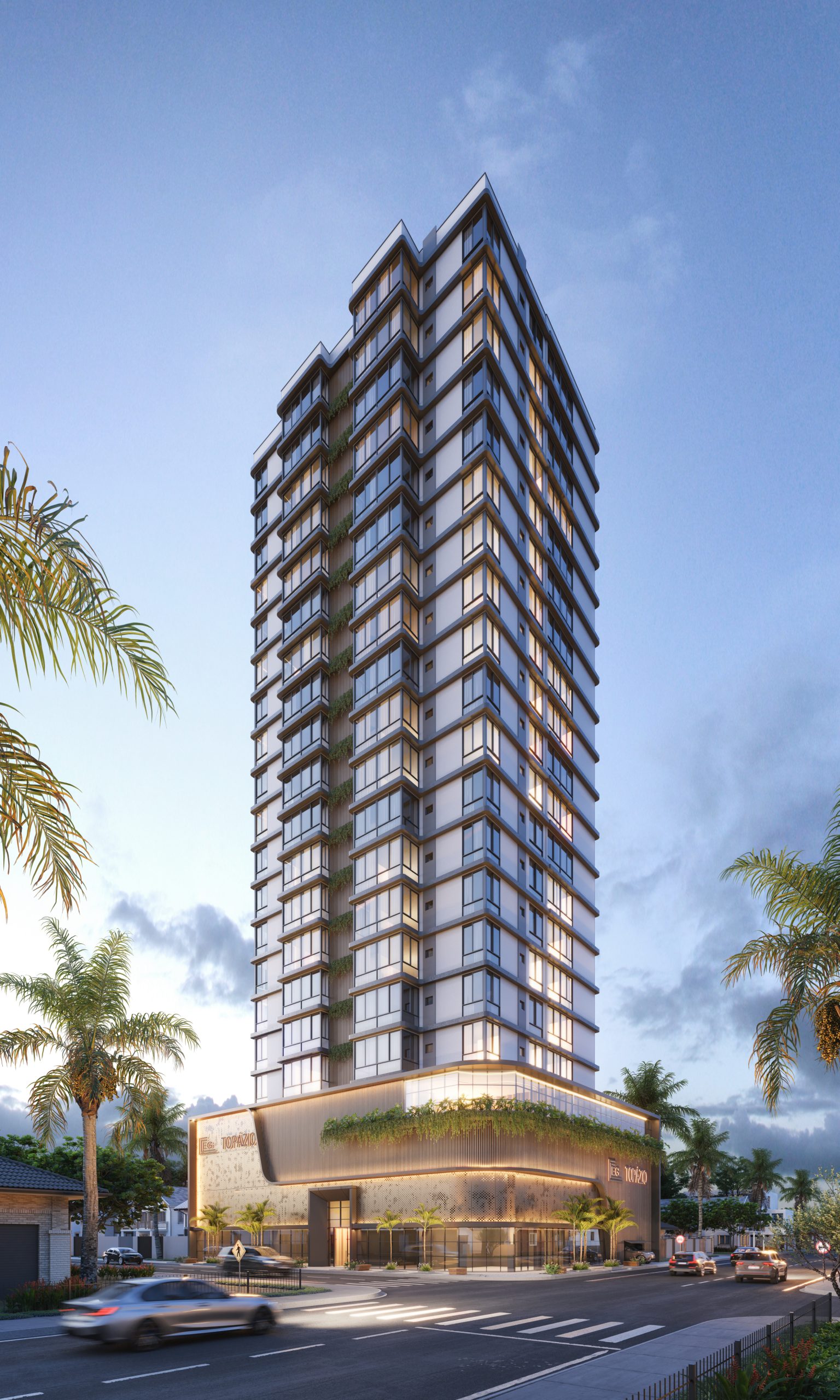
The success of a construction project in Piçarras depends on a technical analysis that transforms urban laws into financial assets. When we decide to purchase development potential, we are investing in market value. WGB performs this cost engineering, comparing the value of the concession fee versus the gain in structural efficiency. What appears to be just a municipal fee, in the hands of strategic planning, becomes the engine that enables the construction of impressive and profitable towers.
Expertise in planning construction projects requires a partner capable of integrating cost engineering with current regulations, ensuring that your capital is applied accurately. We invite you to... Plan Piçarras with us to ensure that every square meter of your project is optimized with technical safety and market vision.