


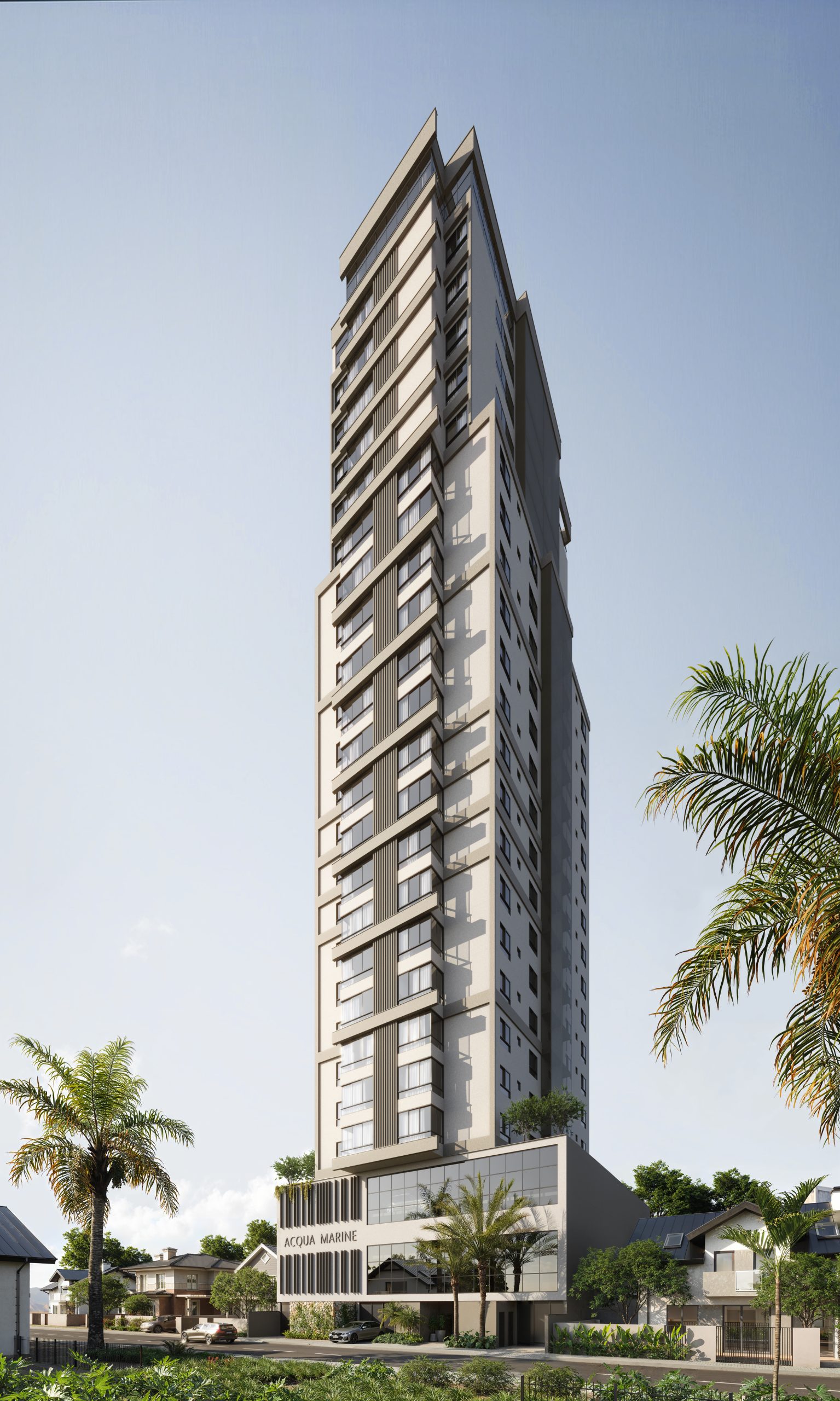
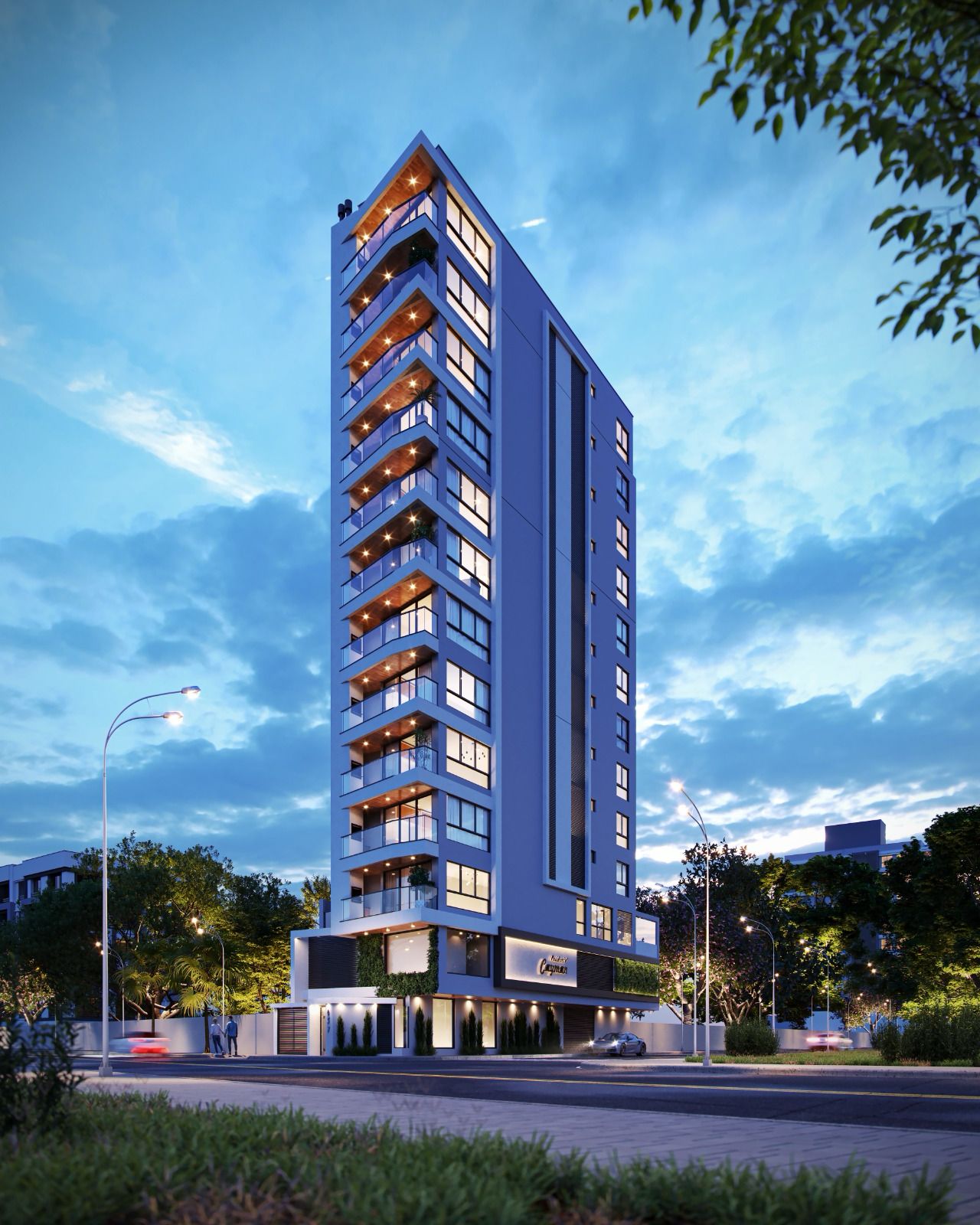
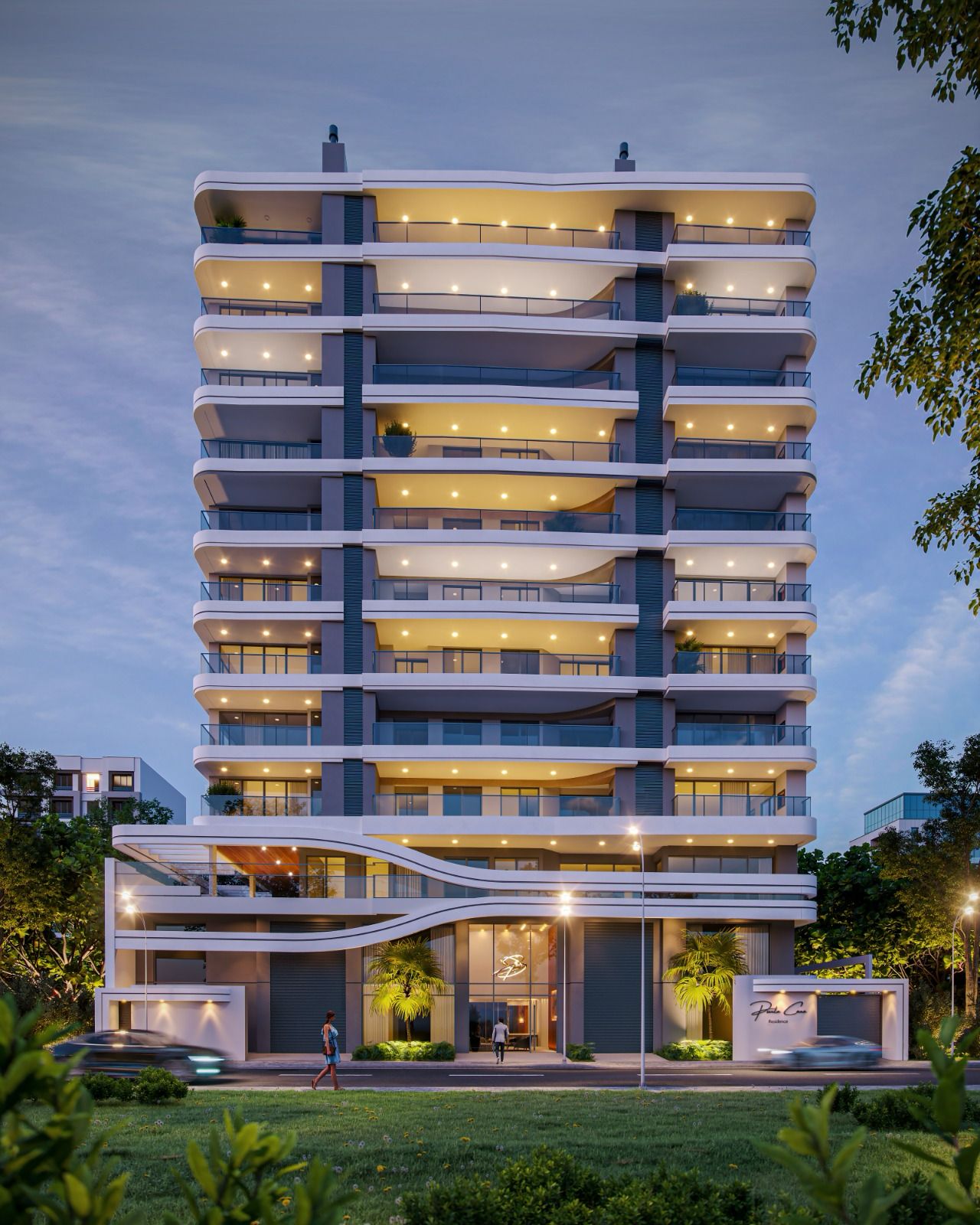
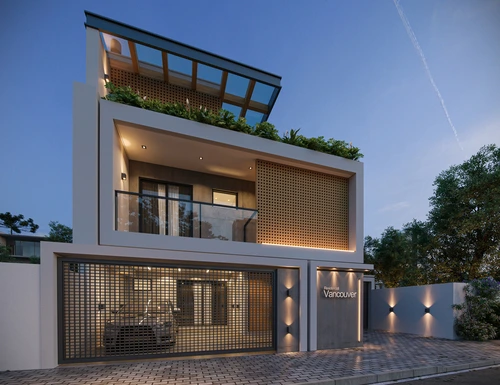
Sustainability in architecture is more than important; it aims to improve buildings and use their best natural resources to reduce the environmental impact of the construction industry. This concept is relevant because excessive consumerism and the disordered use of natural resources threaten the planet's survival.
What are its advantages?
Sustainability in architecture offers several significant advantages, reflecting a growing concern for sustainable development in the face of the negative impacts of human activity on nature. As environmental awareness intensifies, many sectors, including architecture, have adopted more responsible and sustainable practices. Key examples include:
Reducing Environmental Impact: The use of environmentally friendly materials and the implementation of sustainable construction techniques help to minimize environmental degradation. This includes reducing waste, decreasing pollution, and preserving natural ecosystems.
Energy Efficiency: Sustainable buildings are designed to maximize energy efficiency by utilizing renewable energy sources such as solar and wind power. This not only reduces dependence on fossil fuels but also lowers long-term operating costs.
Improving Quality of Life: Sustainable buildings provide healthier and more comfortable indoor environments, with better ventilation, natural lighting, and humidity control. This contributes to the well-being and health of the occupants.
Economic Appreciation: Sustainable properties tend to have a higher market value, as consumers and investors are increasingly aware of the environmental and economic benefits of these buildings. Furthermore, lower operating costs are attractive to owners.
Innovation and Competitiveness: Incorporating sustainable practices stimulates innovation in the construction sector, promoting new technologies and construction methods. This can increase the competitiveness of architecture.
Social and Environmental Responsibility: Embracing sustainability in architecture demonstrates a commitment to social and environmental responsibility, helping to build a more balanced and sustainable future for generations to come.
Sustainability in architecture not only contributes to environmental preservation but also offers economic, social, and health benefits. An architect seeks to create functional, aesthetically pleasing, and safe spaces that meet the needs of users and respect the environment. Therefore, come and request your architectural project with us.