

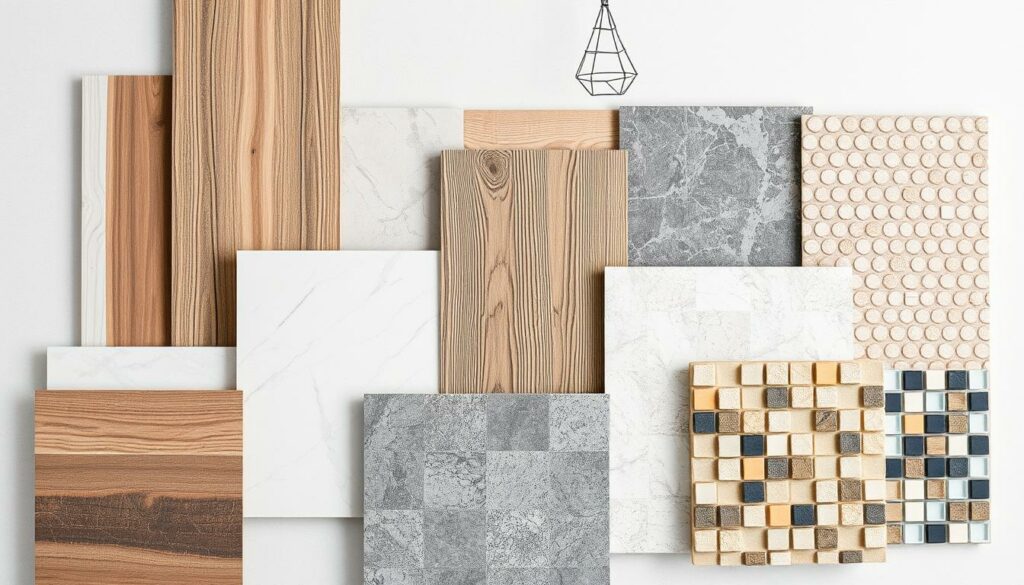
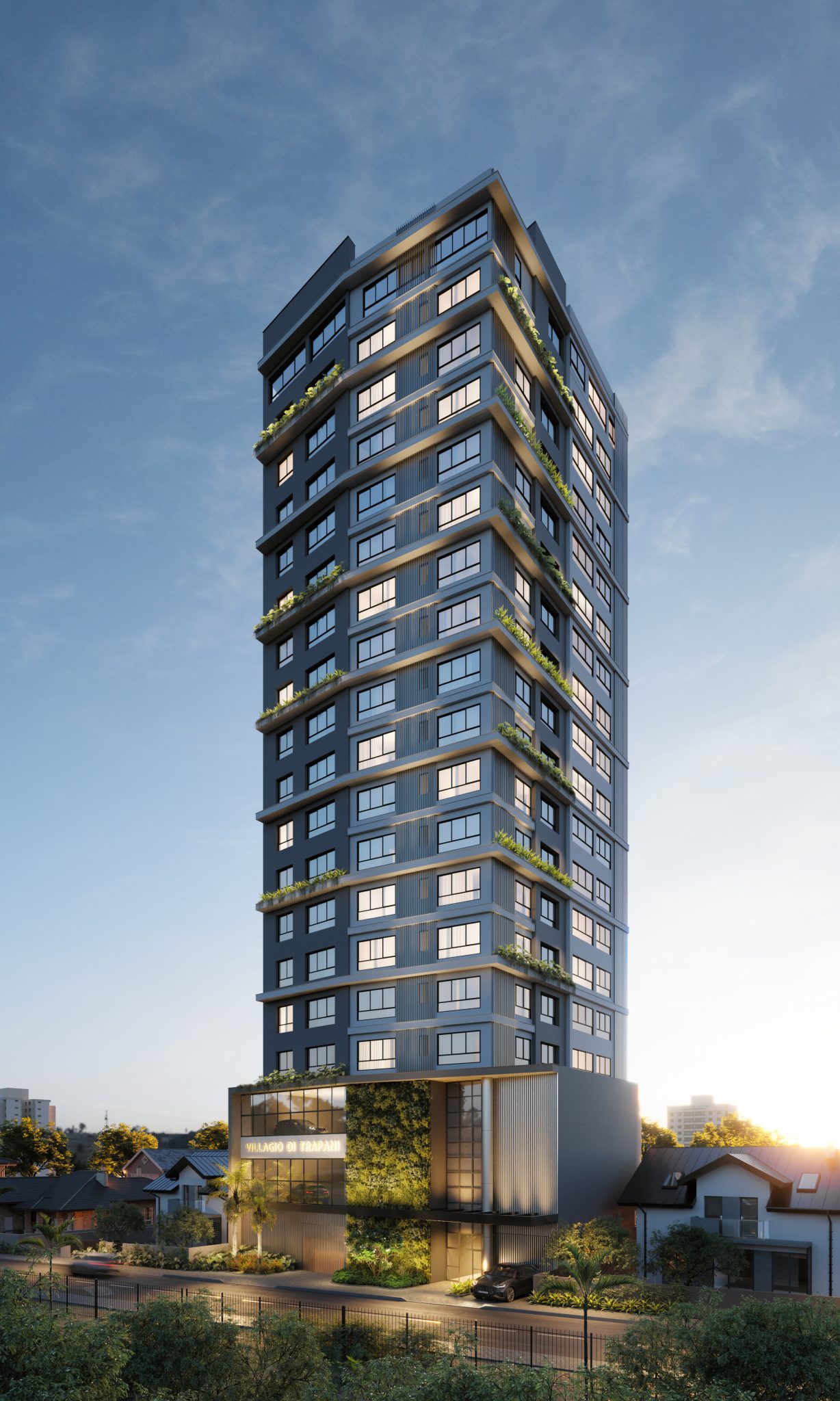
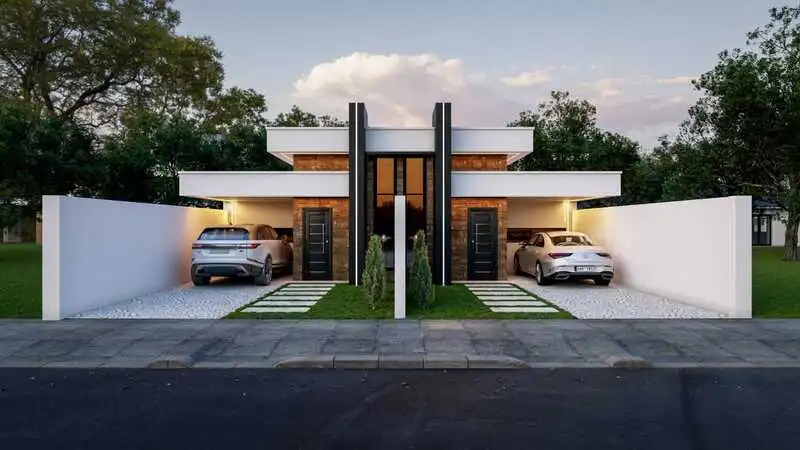
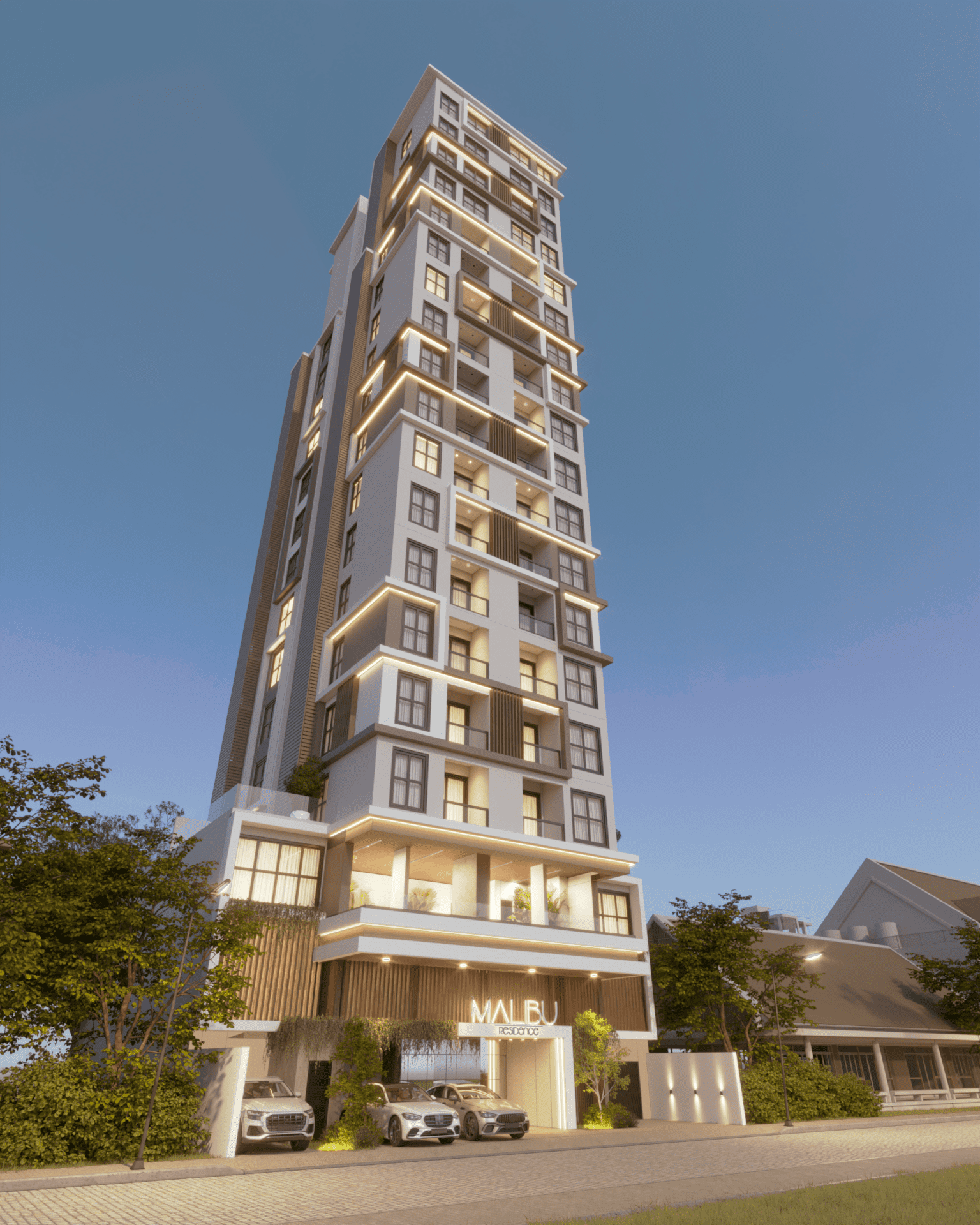
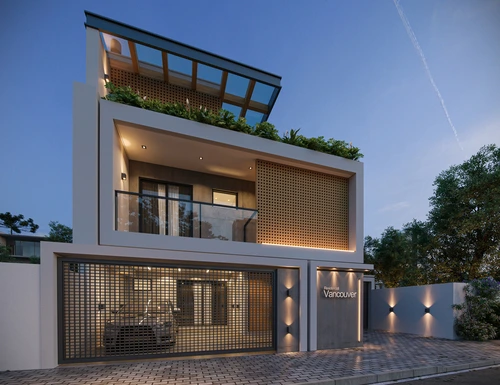
Interior and exterior coatings have distinct functions. Although both protect and provide a finish, each faces specific conditions. Furthermore, The right choice prevents leaks and fading. Consequently, Durability increases. Like this, The cost of maintenance decreases over time. In the same way, As the project progresses, the final performance of the work improves.
Interior Finishes
Interior coatings operate in a controlled environment. They are not affected by sun, rain, or intense temperature variations. That's why, They prioritize comfort and aesthetics. Furthermore, They offer a wide range of colors and textures. In the same way, They allow for greater freedom in design.
Main options:
- Porcelain tile
- Ceramics
- Vinyl
- Laminate
- Painting
- Wallpaper
- 3D Wall Coverings
Essential care:
- Choosing the right products for dry or wet areas.
- Check resistance (PEI).
- Observe water absorption.
- Level the subfloor.
- Follow technical recommendations.
- Furthermore, Respecting the healing time prevents failures.
- Therefore, The final finish remains stable.
- Consequently, The coating lasts longer.
Exterior Cladding
Externally, the coatings are exposed to sun, rain, and temperature variations. Consequently, They need to be more resilient. Furthermore, they require more skilled labor. In the same way, They require specific mortars and grouts.
Main options:
- Non-slip outdoor porcelain tile
- Natural stone
- Acrylic textures
- Cementitious materials
- Tablets
- Exposed brick
Essential care:
- Choose materials with low absorption.
- Apply mortar specifically designed for facades.
- Use flexible grout.
- Waterproof before installation.
- Create expansion joints.
- Check the final attachment.
- Furthermore, following technical standards prevents chipping.
- Therefore, Security increases.
- Consequently, The coating withstands the weather better.
Main Differences
- Exhibition: Outdoors receive climate; indoors do not.
- Absorption: External factors require low absorption; internal factors vary.
- Adhesion: Exteriors require strong mortar.
- Security: Outdoor surfaces need to be non-slip.
- Durability: Outdoor structures can withstand greater climate impact.
- Like this, Each environment requires a different material.
- Furthermore, The installation technique changes.
- Consequently, The wrong choice creates problems.
- In the same way, The right choice ensures stability.
Conclusion
Interior and exterior finishes each have their own specific functions. That's why, Choosing the right one improves durability and aesthetics. In summary, Each environment requires a suitable material. Consequently, This makes the construction safer. Furthermore, Maintenance decreases over time. In the same way, The final look is much better. Like this, The cost-benefit ratio increases directly and practically.