

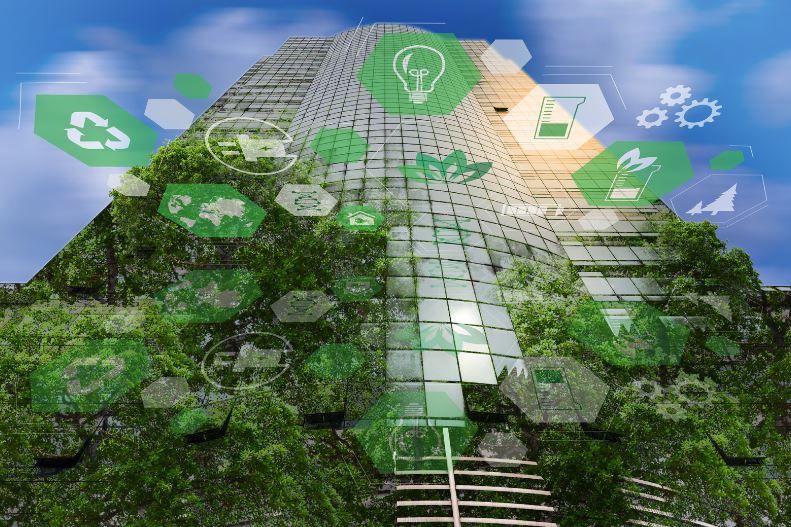
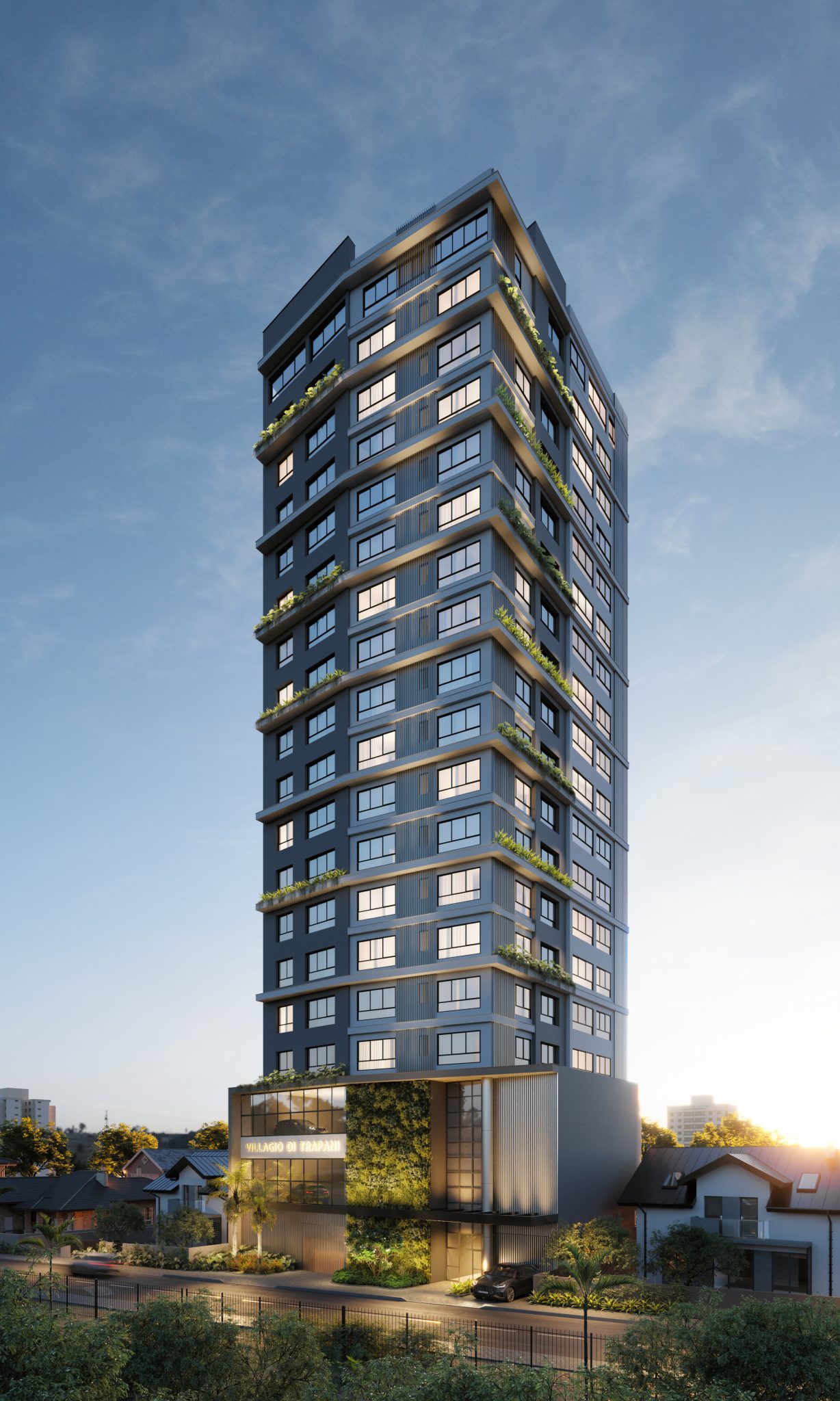






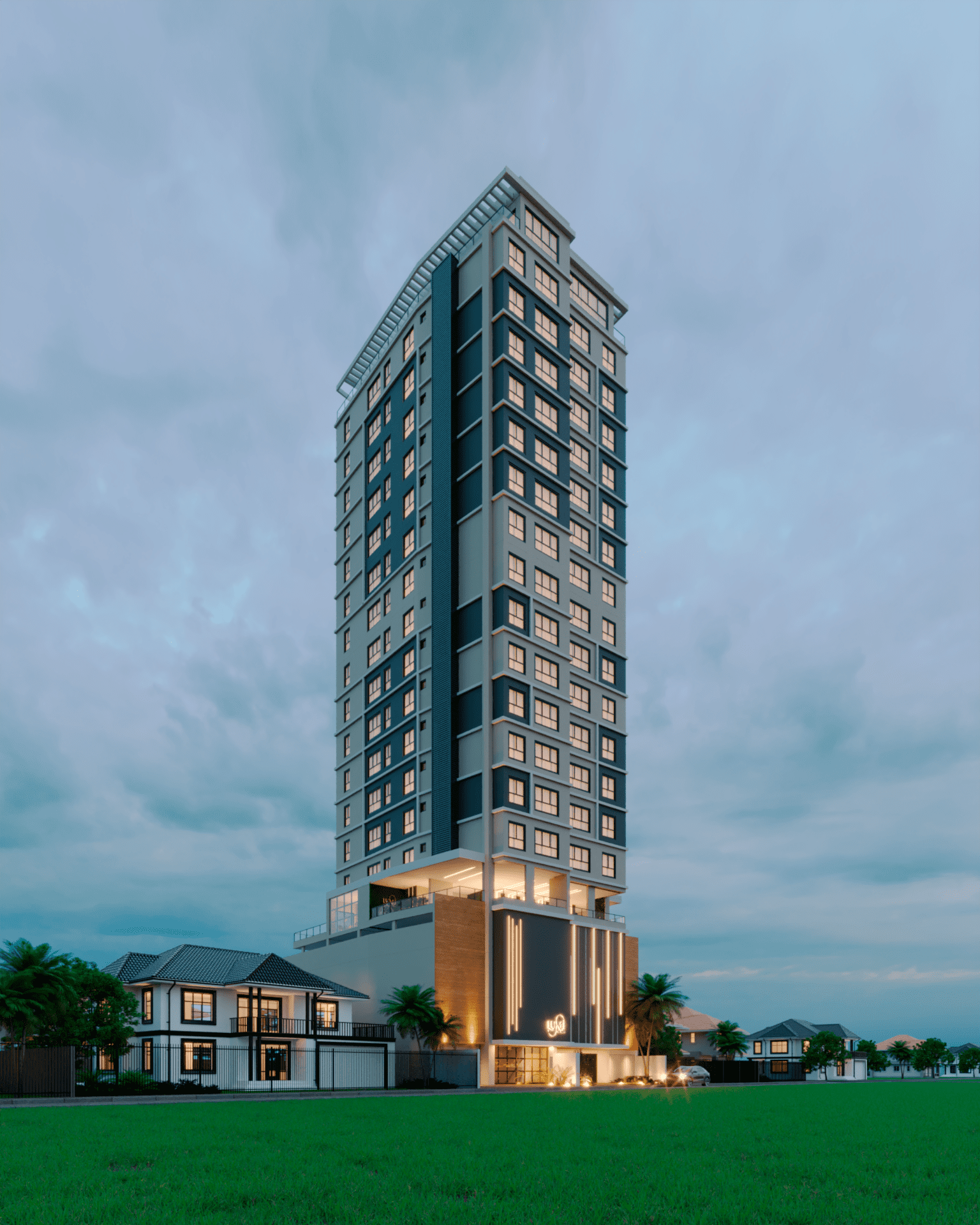



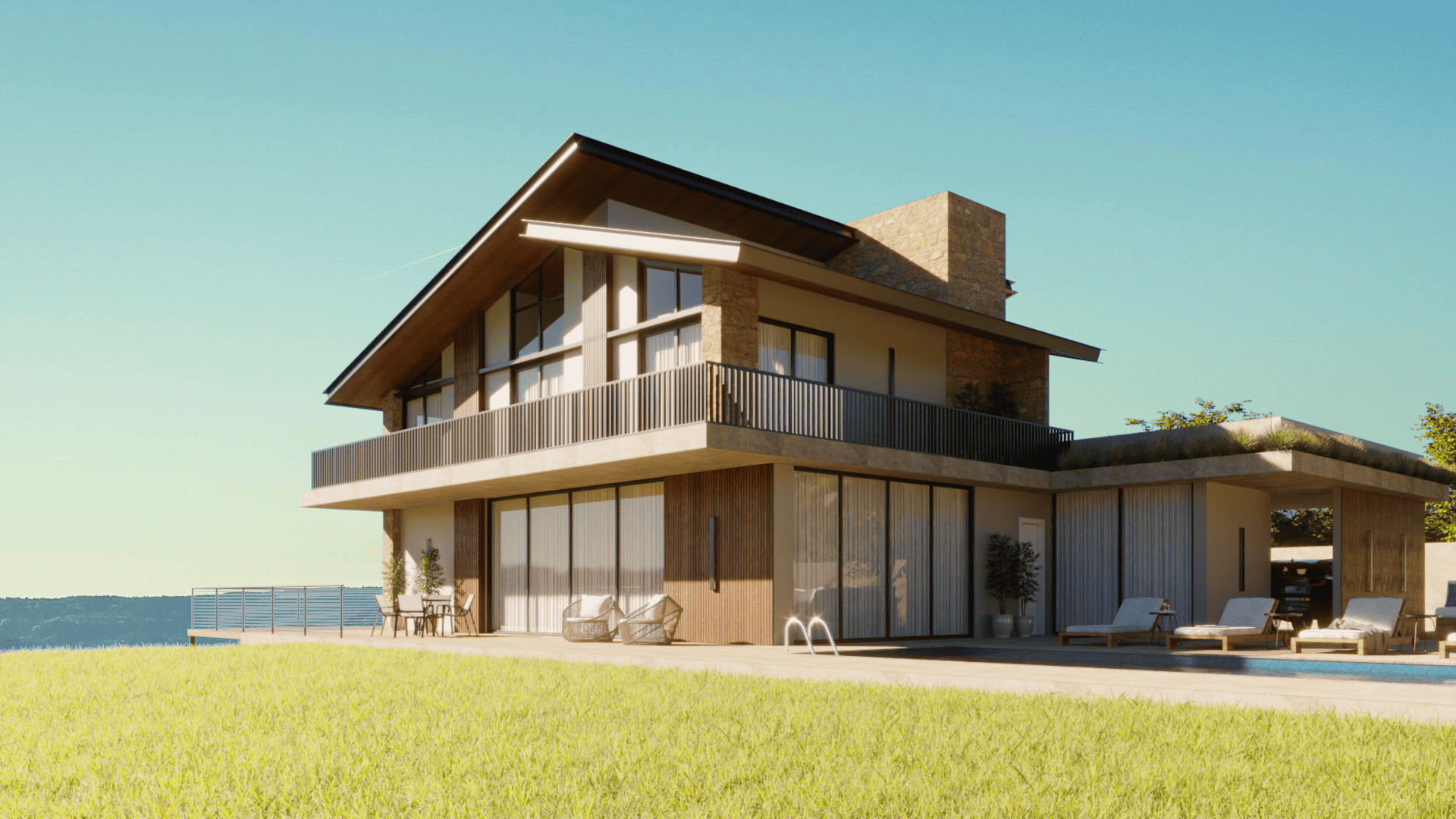

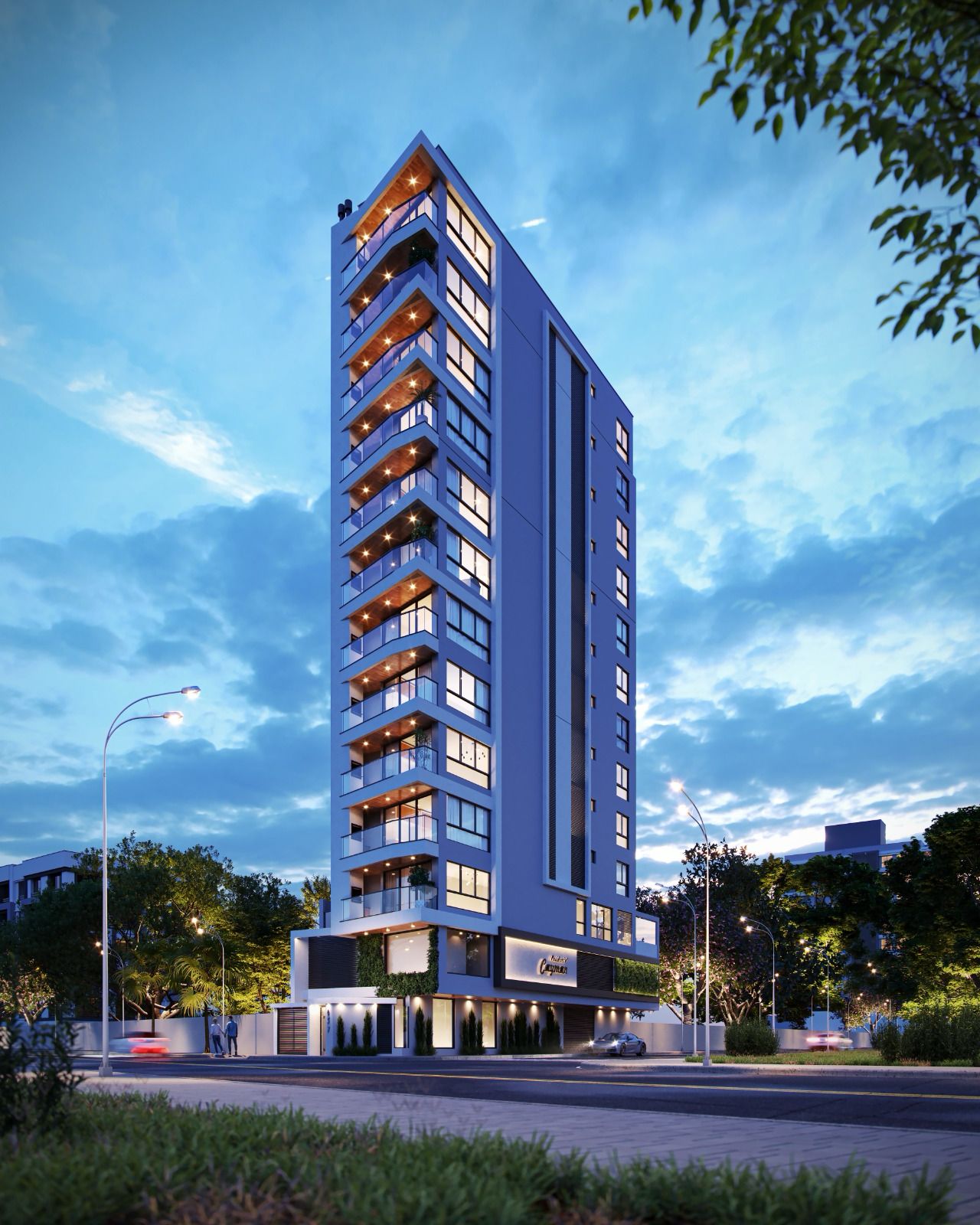


In recent years, the construction industry has faced significant challenges due to growing awareness of the need for sustainable solutions. The pressure to minimize the environmental impact of construction projects and the excessive consumption of natural resources has become a priority not only for companies, but also for governments and society as a whole. In this context, the implementation of sustainability in the construction sector is more crucial than ever.
The Use of Sustainable Materials
The first step towards sustainable construction is the conscious choice of materials. The use of sustainable materials, such as recycled concrete, steel from recycled sources, and wood from reforestation, is fundamental to reducing the carbon footprint of projects. Innovative materials, such as ecological bricks, which use industrial waste in their composition, and roof tiles made from recycled plastics, are gaining increasing space in construction projects.
Furthermore, research and development of new materials that minimize environmental impact are on the rise. For example, the use of bioconcrete, which incorporates self-repairing bacteria, can increase the durability of structures and reduce the need for maintenance and replacement, contributing to more efficient construction.
It is important to emphasize that the use of conventional materials, such as concrete and virgin steel, can result in large CO2 emissions during their production and transportation. Therefore, the adoption of technologies that reduce the extraction of new resources and encourage circularity is essential. Construction with sustainable materials not only preserves the environment but can also generate savings for entrepreneurs, who find cheaper and more efficient alternatives.
Energy Efficiency in Construction
Another important facet of sustainability in civil construction is energy efficiency. Projects that integrate renewable energy systems, such as solar panels and wind turbines, can significantly reduce energy consumption from non-renewable sources. However, this transition to renewable energy requires meticulous planning, both during the construction phase and throughout the building's lifespan.
Implementing energy efficiency measures goes beyond simply installing renewable energy technology. Considering elements such as natural lighting, cross-ventilation, and thermal insulation is vital for creating comfortable and sustainable environments. These aspects not only reduce long-term operating costs but also increase the comfort and health of occupants, contributing to the overall well-being of society.
Furthermore, the use of smart technologies, such as building automation systems that regulate energy consumption according to need, can further optimize the efficiency of buildings. This type of innovation is an important step towards promoting a more sustainable lifestyle.
Construction Waste Management
Managing waste generated during construction is one of the biggest challenges faced by the construction industry. Improper disposal of debris not only pollutes the environment but also represents a significant waste of resources that could be reused. Therefore, companies should adopt policies for recycling and reusing surplus materials. This not only mitigates negative environmental impacts but can also generate considerable savings.
Several initiatives have been implemented to address this issue. The use of construction sites that encourage waste separation and the creation of partnerships with recycling companies are examples of practices that can be adopted. Furthermore, promoting a culture of sustainability among workers and professionals in the sector is fundamental to ensuring the effectiveness of these practices.
Conclusion
In short, sustainability in the construction industry is a goal that is becoming increasingly viable and necessary given current demands. Through the use of environmentally friendly materials, the implementation of energy efficiency measures, and intelligent waste management, it is possible to transform the sector into a model of responsible and innovative practices.
The future of the construction industry must be guided by a commitment to the environment and the well-being of society. By adopting a sustainable approach, it is possible not only to minimize environmental impacts, but also to create spaces that promote quality of life, comfort, and safety for all. In this way, the construction industry can reinvent itself, assuming a leading role in the fight for sustainability and in building a greener and more responsible future.