





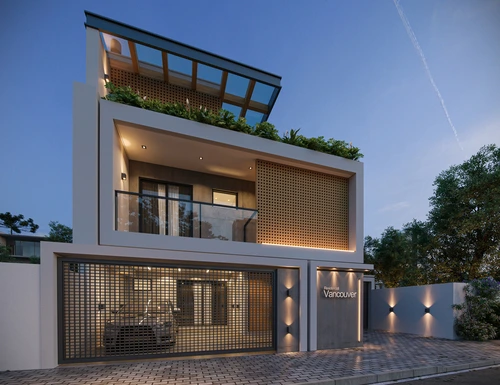
Are you thinking about building or renovating your home or office, but don't know which architectural style to choose? Do you want your project to reflect your personality, your taste, and your needs, but also to be harmonious, functional, and sustainable? Then this article is for you!
In this post, we'll explain what an architectural style is, what the main existing styles are, and how to choose the most suitable one for your project. In addition, we'll answer some of the most frequently asked questions on the subject. Let's go?
What is an architectural style?
An architectural style is a set of characteristics that define the appearance, form, and details of a building. These characteristics can include elements such as materials, colors, textures, shapes, proportions, ornaments, lighting, ventilation, etc.
An architectural style can be influenced by various factors, such as the historical, cultural, social, economic, and environmental context in which it was created, the needs and preferences of users, technological trends and innovations, current norms and regulations, etc.
What are the main architectural styles?
There are many architectural styles throughout history and around the world. Some of the best known are:
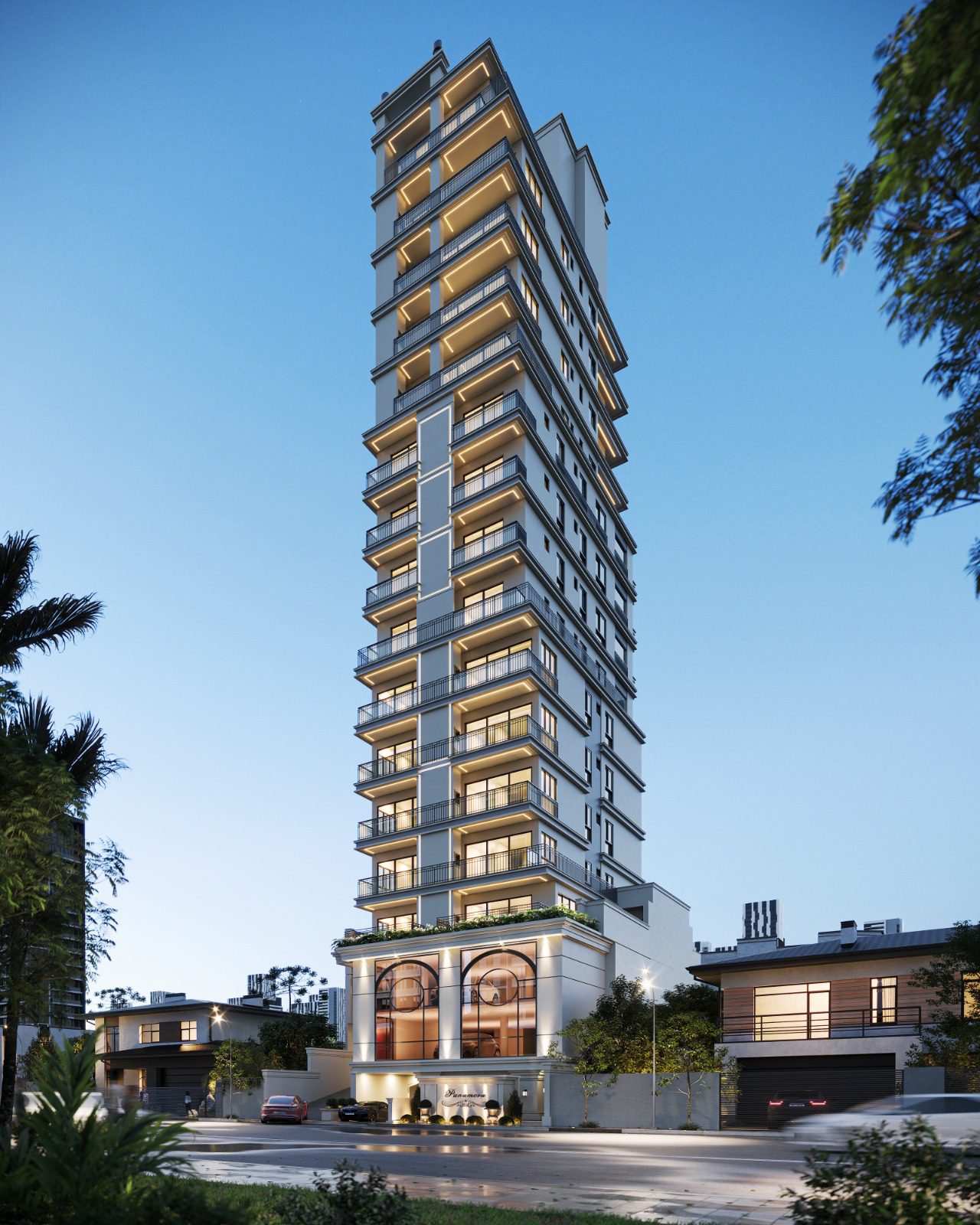
– Classical: inspired by the architecture of ancient Greece and Rome, it is characterized by the use of columns, pediments, arches and domes, as well as decorative elements such as sculptures and reliefs. Examples: Parthenon (Greece), Colosseum (Italy), Capitol (USA).
– Gothic: originating in medieval Europe, it is characterized by the use of pointed arches, stained glass windows, pointed towers, and delicate ornamentation. Examples: Notre-Dame Cathedral (France), Westminster Abbey (England), Pena Palace (Portugal).
– Renaissance: originating in Italy in the 15th century, it is based on a return to classical principles, but with greater rationality and symmetry. Examples: St. Peter's Basilica (Vatican), Pitti Palace (Italy), Chambord Castle (France).
– Baroque: developed in Europe in the 17th century, it is characterized by the use of curved forms, contrasts of light and shadow, vibrant colors, and dramatic elements. Examples: Church of Saint Francis of Assisi (Brazil), Palace of Versailles (France), Saint Basil's Cathedral (Russia).
– Neoclassical: originating in Europe in the 18th century, it represents a reaction against the excesses of the Baroque, seeking greater simplicity and elegance. Examples: Arc de Triomphe (France), White House (USA), Municipal Theater (Brazil).
– Modern: originating in Europe at the beginning of the 20th century, it breaks with previous styles and proposes a new architectural language based on functionality, geometry, and technology. Examples: Villa Savoye (France), Guggenheim Museum (USA), Copan Building (Brazil).
– Postmodern: emerging in the second half of the 20th century, it questions the dogmas of modernism and recovers historical and regional elements. Examples: Centre Pompidou (France), Walt Disney Concert Hall (USA), Sesc Pompéia (Brazil).
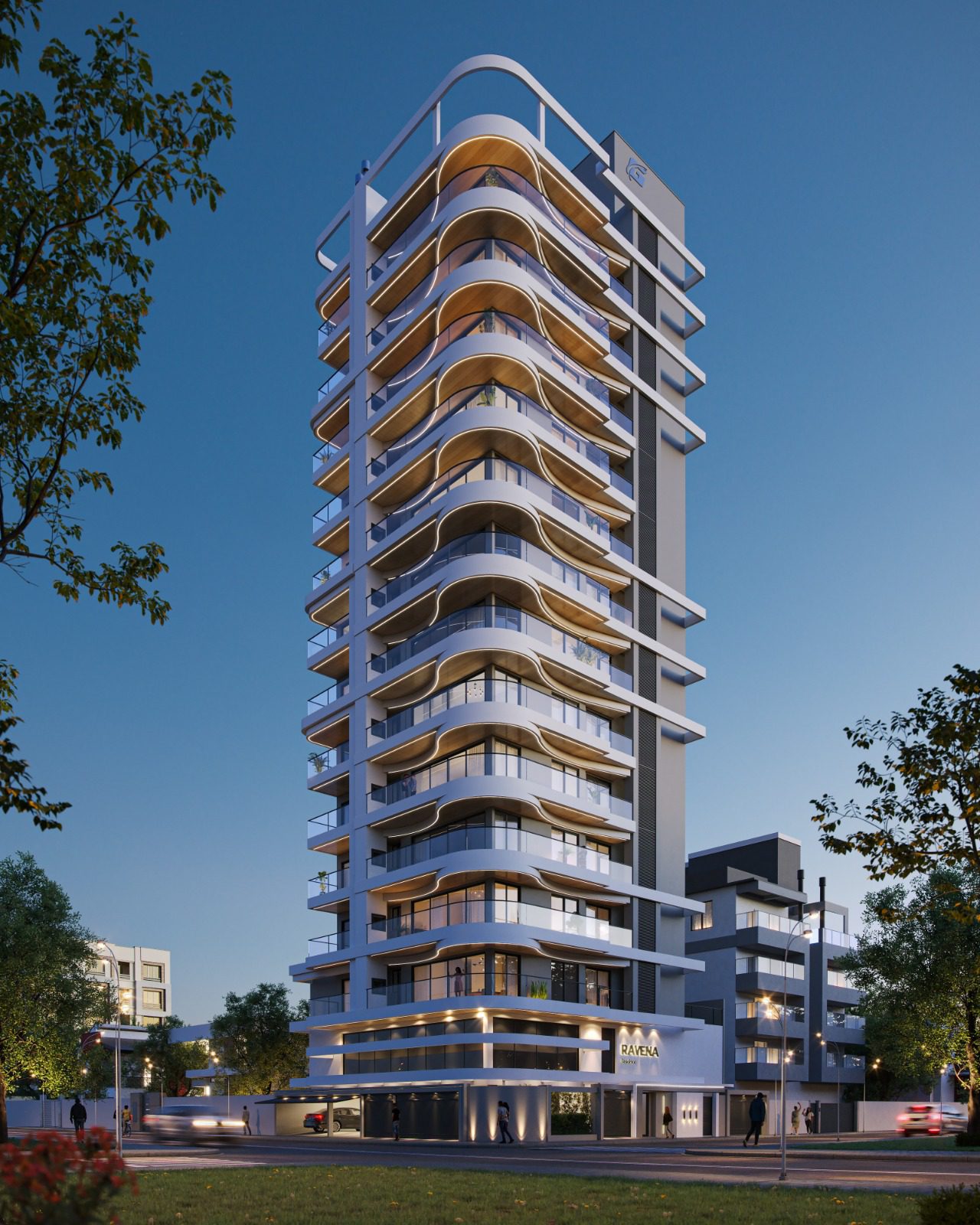
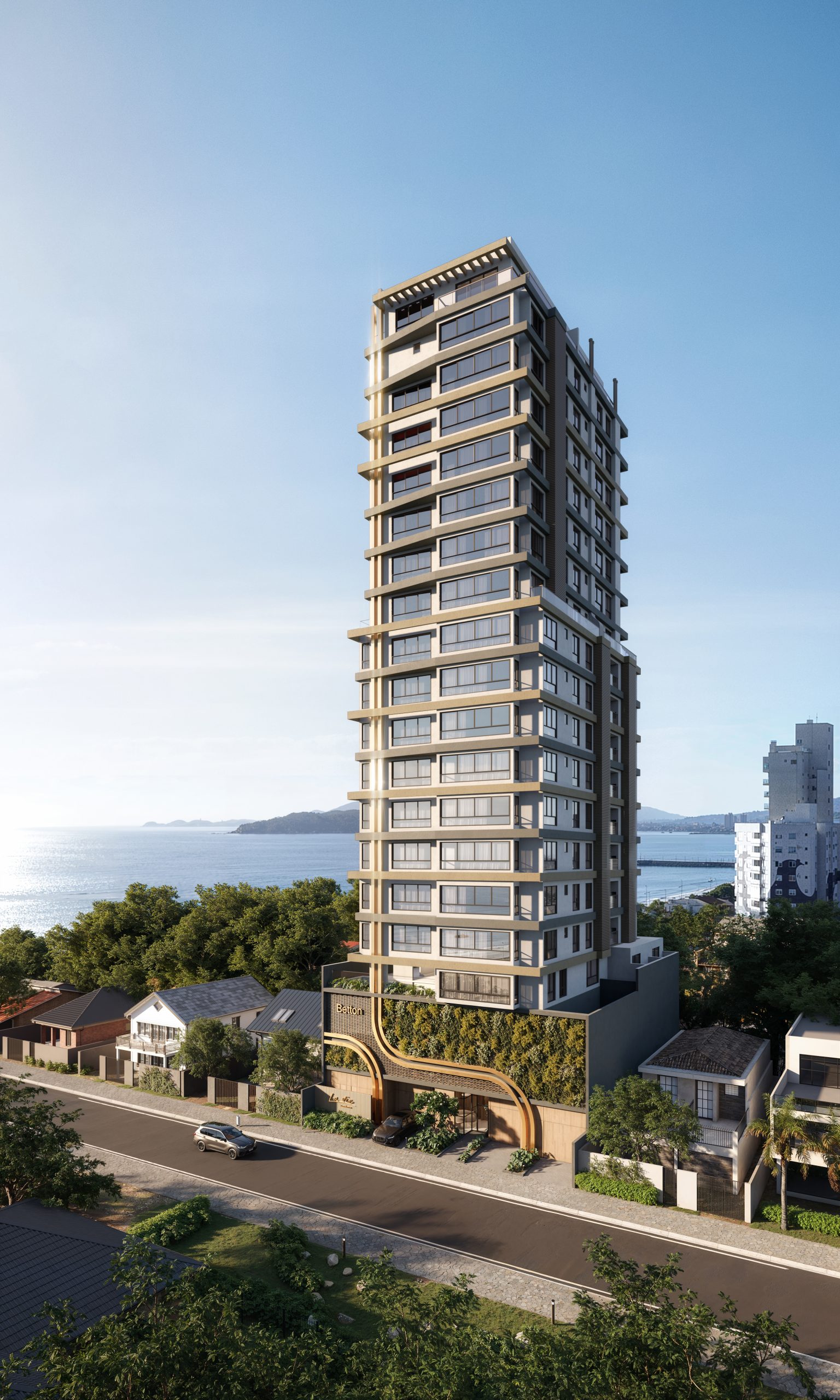
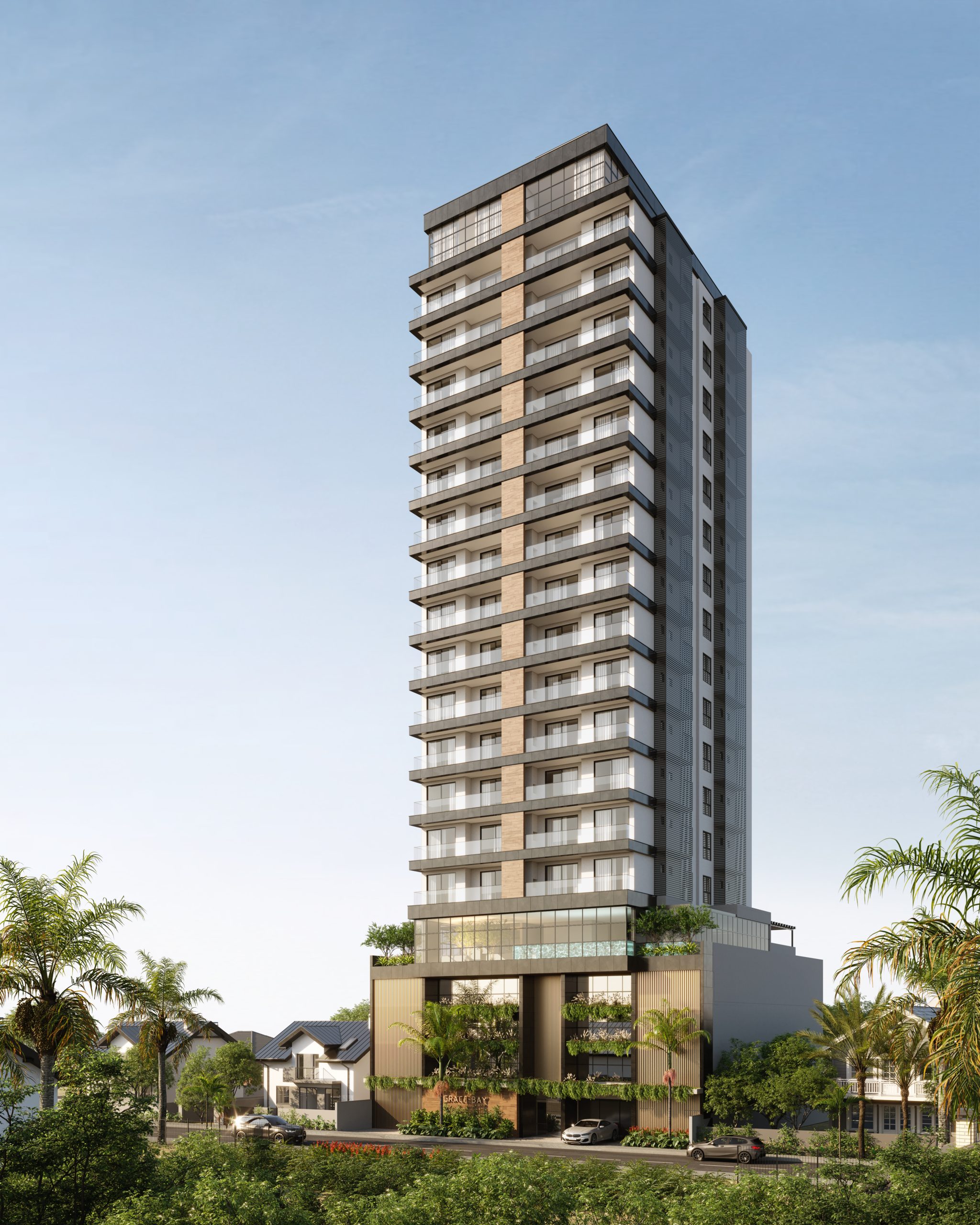
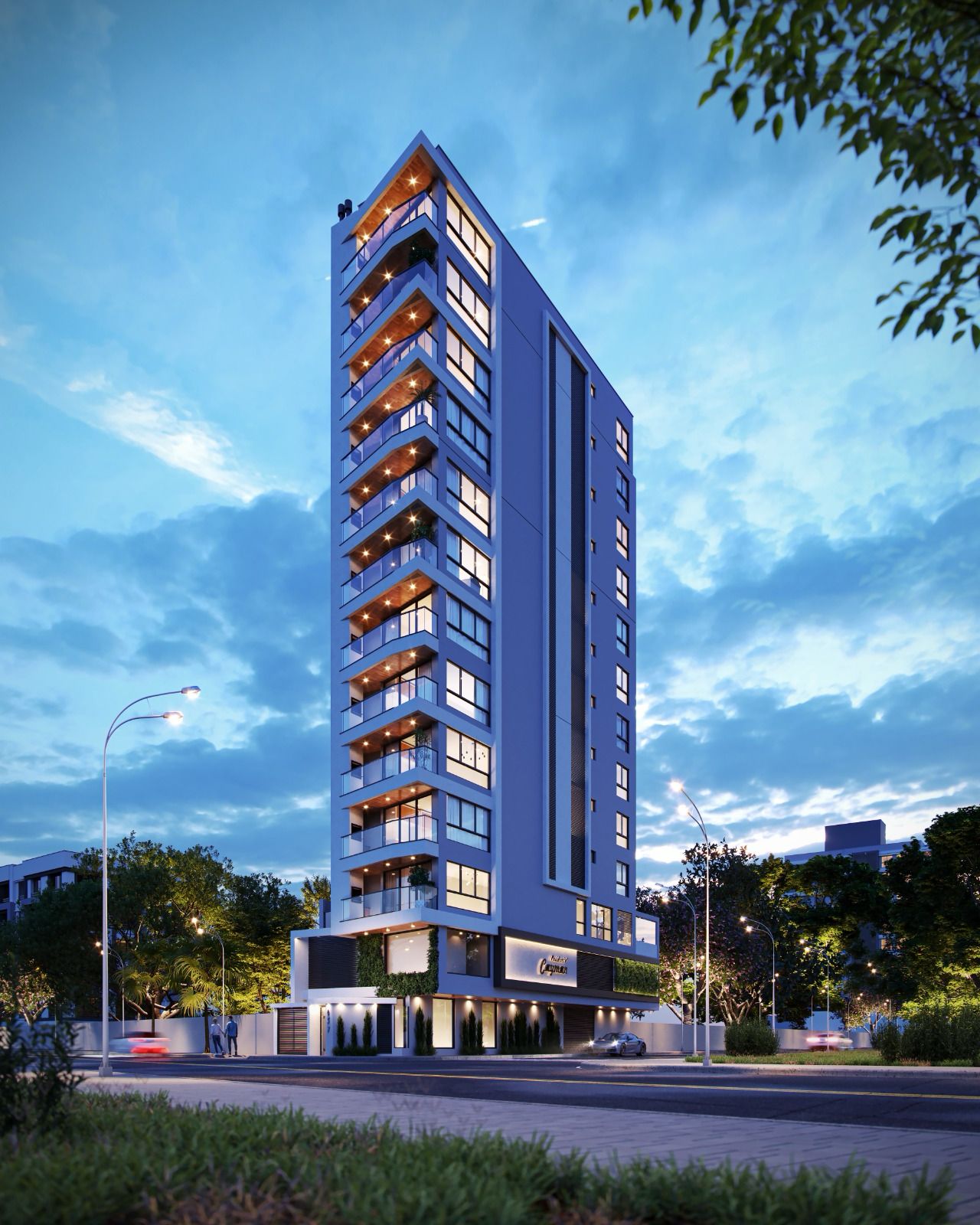
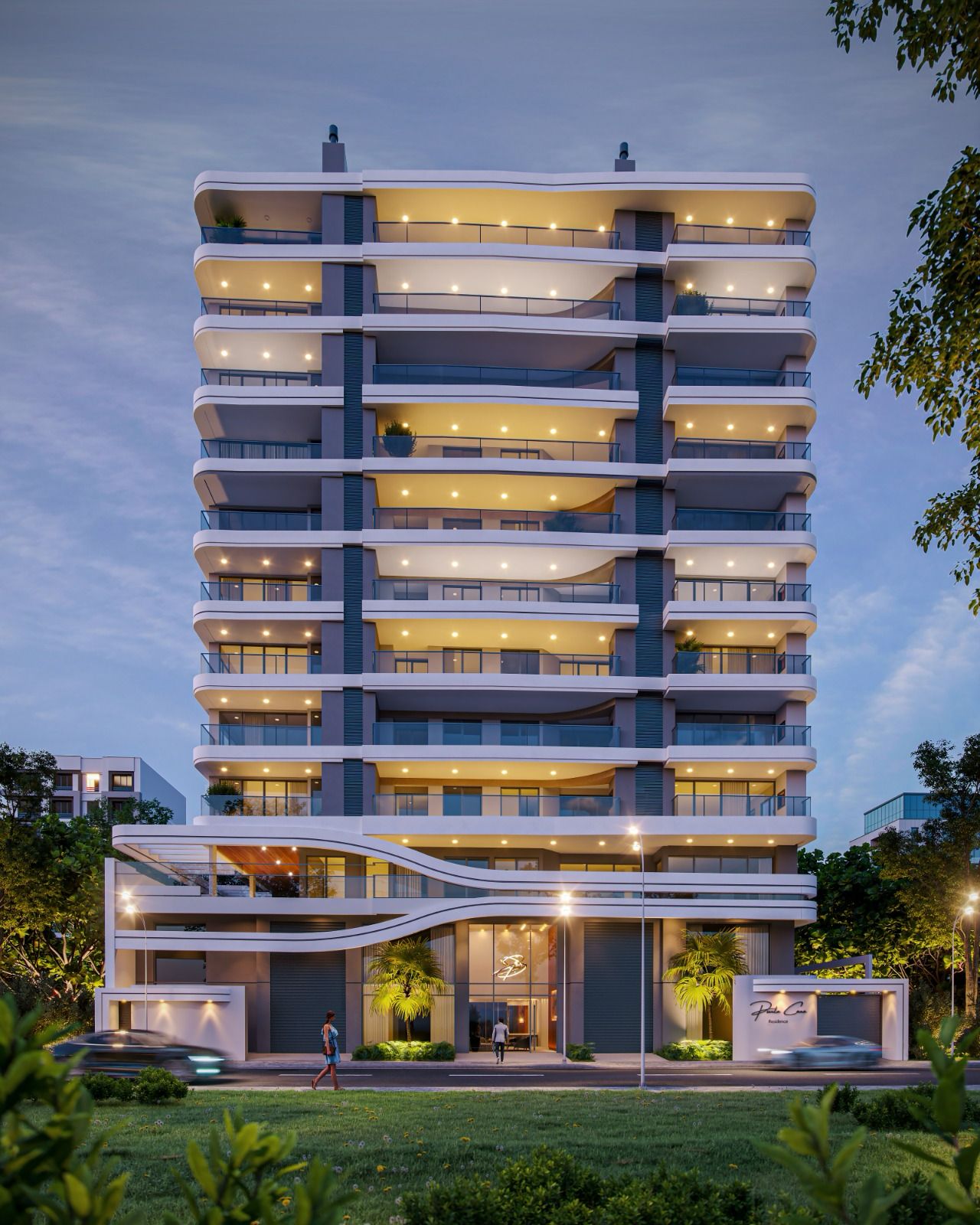
– Contemporary: currently in effect, it encompasses various trends that seek to meet the demands of today's society, such as sustainability, accessibility, flexibility, and interactivity. Examples: Burj Khalifa (United Arab Emirates), Museum of Tomorrow (Brazil), Casa da Música (Portugal).
How do you choose the right architectural style for your project?
There is no single rule for choosing the architectural style of your project. However, there are some criteria that can help in your decision, such as:
– Your personal taste: the architectural style should reflect your personality, your lifestyle, and your aesthetic preferences. You can draw inspiration from references you admire, such as works of art, films, books, travels, etc.
– The function of the project: the architectural style must meet the needs and objectives of your project, whether it is residential, commercial, institutional, etc. You should consider aspects such as size, layout, lighting, ventilation, acoustics, security, etc.
– The project context: the architectural style must harmonize with the surroundings of your project, whether it is urban, rural, coastal, mountainous, etc. You must respect the natural, historical, and cultural characteristics of the location, as well as the current norms and regulations.
– The project budget: the architectural style must fit within your available project budget. You should take into account the costs of materials, labor, maintenance, etc.
Questions and answers
Next, we'll answer some of the most frequently asked questions about architectural styles.
Can I mix different architectural styles in my project?
Yes, you can mix different architectural styles in your project, as long as there is coherence and harmony between them. You can choose a predominant style and incorporate elements from other styles that complement each other. For example, you can have a modern house with classic details or a neoclassical house with contemporary touches.
What is the most popular architectural style today?
There is no definitive answer to this question, as each region and each client has their own preferences and trends. However, some of the most popular architectural styles currently are:
– Minimalist: based on the maxim "less is more," it seeks greater simplicity and purity in forms and colors.
– Industrial: inspired by old factories and warehouses, it uses materials such as concrete, metal and wood in a raw or weathered state.
– Scandinavian: originating in the Nordic countries, it values natural light and the use of light and neutral colors, as well as natural and handcrafted elements.
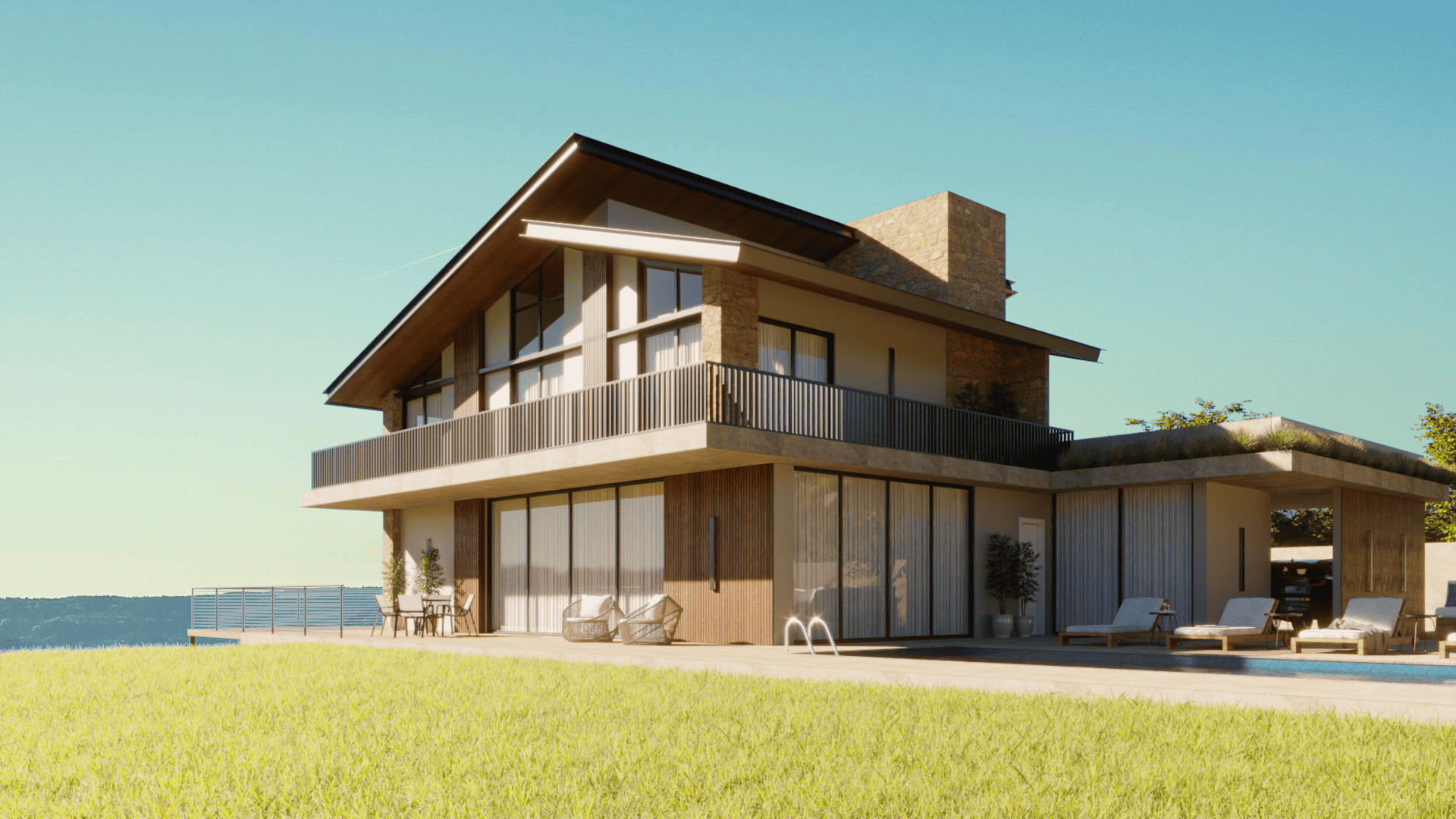
– Rustic: refers to rural and traditional constructions, employing materials such as stone, brick, and wood in earthy tones and natural textures.
– Tropical: adapted to the hot and humid climate of the tropics, it prioritizes cross-ventilation and the use of vibrant colors and floral prints.
How do I hire a professional to define the architectural style of my project?
To hire a professional to define the architectural style of your project, you should look for a qualified and experienced architect or interior designer. You can search online or ask for recommendations from friends or family who have already completed projects similar to yours.
You should review the professional's portfolio and see if they have work that matches your taste and budget. You should also schedule a meeting with them to present your ideas and expectations and listen to their suggestions and proposals.
You should choose a professional who you feel comfortable with and who is able to understand your needs and make your dream a reality.
Choosing the right architectural style for your project is an important and enjoyable task. You should consider your personal taste, the function of the project, the project's context, and the project's budget. You can also seek the help of a specialized professional to define the best style for you.